
Understanding EV Charging Incentives: How to Save Money on Installation
By Staff Writer · September 19, 2026
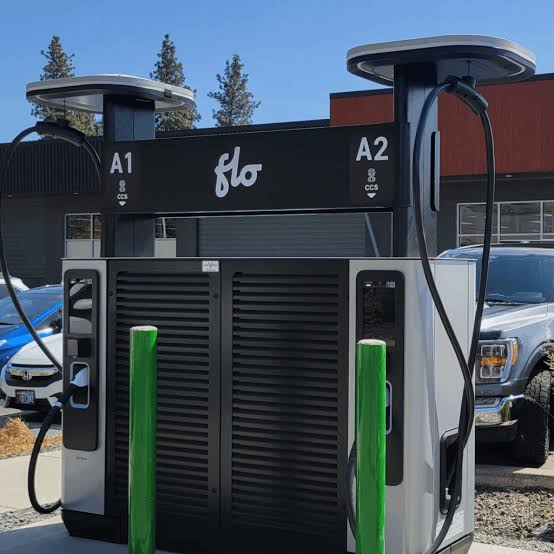
Installing an EV charger can be a significant investment, but EV charging incentives may help reduce the upfront cost for eligible homeowners, businesses, property owners, and fleet operators. Depending on where a charging project is located, financial assistance may come from state governments, utilities, municipalities, or other programs.
The challenge is that incentives vary considerably by location, charger type, property type, installation date, and eligibility requirements. Some programs support residential installations, while others focus on workplaces, multifamily properties, commercial sites, or public charging infrastructure.
This guide explains how EV charging incentives work, where to look for available programs, what expenses may qualify, and what to consider before starting an installation. Because incentive programs can change or expire, applicants should verify current requirements before committing to a project.
How EV Charging Incentives Work
EV charging incentives are financial programs designed to encourage the installation of electric vehicle charging infrastructure. They can take several forms, including rebates, grants, tax credits, utility incentives, discounted equipment programs, and other forms of financial assistance.
The amount of assistance available depends on the specific program. Some incentives provide a fixed dollar amount per charger, while others reimburse a percentage of eligible project costs. Certain programs may also establish maximum amounts per property, charging port, project, or applicant.
Eligibility can depend on several factors. The charger’s location, property type, ownership structure, charging level, equipment specifications, installation date, and intended use may all affect whether a project qualifies.
For this reason, an incentive should not be treated as a guaranteed reduction in installation cost until the program administrator confirms eligibility.
Why EV Charging Incentives Matter
The cost of installing an EV charger involves more than the charger itself. Electrical work, wiring, conduit, permits, labor, networking equipment, site preparation, and potentially electrical service upgrades can all affect the final project cost.
An incentive can reduce part of those expenses and make a charging project more financially practical.
For homeowners, a rebate may lower the cost of installing a Level 2 charger in a garage or driveway. For businesses, incentives can potentially reduce the cost of installing workplace, customer, fleet, or multifamily charging infrastructure.
In larger projects, even partial financial assistance can have a meaningful effect on the overall project budget.
However, incentives should generally be viewed as one component of the financial analysis rather than the sole reason for installing charging infrastructure.
Federal EV Charging Incentives
Federal EV charging incentives have changed over time, so it is important to distinguish historical programs from incentives that are currently available.
The federal Alternative Fuel Vehicle Refueling Property Credit, commonly associated with Section 30C, previously provided tax benefits for qualifying charging equipment and installation costs. Changes to federal law limited the availability of this credit, including a requirement that qualifying property generally be placed in service by June 30, 2026.
Because that deadline has passed, property owners planning an installation after that date should not assume that the former federal 30C credit is available.
Federal incentives can change through new legislation, so anyone planning a future installation should check current federal requirements rather than relying on information published for an earlier tax year.
The expiration or modification of one federal incentive does not necessarily mean that financial assistance is unavailable. State, utility, and local programs can still provide opportunities depending on the project location.
State EV Charging Incentives
State-level programs are among the most important places to look for EV charging assistance.
States may establish programs for homeowners, businesses, multifamily properties, government facilities, nonprofits, fleets, workplaces, or public charging locations. Some programs focus on specific communities or geographic areas, while others are designed to expand charging infrastructure throughout the state.
State programs may also prioritize particular types of charging infrastructure. For example, one program may support Level 2 chargers at workplaces or multifamily properties, while another may focus on publicly accessible fast-charging infrastructure.
Program requirements can include equipment standards, installation deadlines, minimum charging speeds, networking requirements, accessibility rules, income qualifications, or geographic restrictions.
This makes it important to review the complete program requirements before purchasing equipment.
Utility EV Charging Rebates
Electric utilities can be another important source of EV charging incentives.
Utilities have an interest in managing electricity demand and encouraging efficient EV charging. Some offer rebates or other programs designed to encourage customers to install charging equipment and participate in managed charging programs.
Utility incentives may be available to residential customers, commercial customers, multifamily property owners, fleets, or other eligible account holders.
Some programs may also provide benefits beyond the initial equipment purchase. For example, a utility program may offer incentives for participating in a managed charging program that allows charging to be adjusted based on grid conditions or electricity demand.
Because utility territories do not always follow city or county boundaries, homeowners and businesses should identify their electric utility before searching for available programs.
Local EV Charging Incentives
Cities, counties, and other local governments may also offer EV charging incentives.
Local programs can be particularly relevant for commercial properties, multifamily developments, workplaces, parking facilities, and public charging projects.
Some municipalities may combine charging incentives with broader clean transportation, building electrification, sustainability, or air-quality initiatives.
Local requirements can be highly specific. A program may apply only to chargers installed within designated areas, eligible buildings, certain parking facilities, or particular types of properties.
Property owners should therefore check both state and local programs instead of assuming that a state incentive is the only available option.
Home EV Charger Incentives
Homeowners installing an EV charger should begin by checking programs available through their state, utility, and local government.
Level 2 home charging is a common target for residential incentive programs because installation may require additional electrical work beyond the cost of the charging equipment.
Eligible expenses can vary by program. A rebate might cover part of the charger cost, installation labor, electrical materials, or other approved expenses. Another program might offer a fixed incentive regardless of the total project cost.
Eligibility may also depend on household income, property location, utility service, charger certification, or participation in a utility-managed charging program.
Before purchasing a charger, homeowners should determine whether the incentive requires pre-approval or enrollment. Buying equipment before completing the required application process can potentially make a project ineligible.
Commercial EV Charging Incentives
Businesses often have more complex charging projects than individual homeowners.
A commercial installation may include multiple Level 2 chargers, DC fast chargers, electrical infrastructure upgrades, networking equipment, signage, parking modifications, and other site improvements.
Because project costs can be substantial, businesses should investigate incentives before finalizing equipment specifications or construction plans.
Commercial programs may be available for several property types, including offices, retail locations, hotels, multifamily properties, workplaces, fleet facilities, and other commercial sites.
Some programs may also distinguish between chargers intended for public use and chargers reserved for employees, tenants, or fleet vehicles.
Understanding the intended use of the charging station is therefore important when evaluating incentive eligibility.
What Installation Costs May Qualify?
Not every cost associated with an EV charging project necessarily qualifies for an incentive.
Depending on the program, eligible expenses may include charging equipment, electrical wiring, conduit, installation labor, electrical upgrades, permitting, networking equipment, or other infrastructure.
Other costs may be excluded.
This distinction matters because a program that advertises a percentage-based rebate may not apply that percentage to the entire project invoice.
For example, if a program covers eligible equipment and installation but excludes unrelated parking improvements, the incentive calculation may be based only on the approved expenses.
Applicants should review the definition of eligible costs before estimating their expected reimbursement.
Do EV Charger Incentives Cover Electrical Upgrades?
Electrical upgrades are one of the most important cost considerations for an EV charging installation.
A home may require a dedicated circuit for a Level 2 charger, while a larger commercial installation could require more substantial electrical infrastructure.
Whether these upgrades qualify for financial assistance depends on the specific program.
Some incentives may recognize electrical infrastructure as part of the charging installation. Others may cover only the charger or a defined portion of the project.
Property owners should therefore ask specifically whether panel upgrades, transformers, service upgrades, trenching, conduit, wiring, and related electrical work qualify.
This can prevent a significant difference between the expected incentive and the final amount actually received.
Incentives for Level 2 Charging Stations
Level 2 chargers are frequently used in homes, workplaces, apartments, hotels, retail locations, and other properties where vehicles remain parked for an extended period.
Because these chargers typically require dedicated electrical infrastructure, installation costs can vary considerably between properties.
Incentive programs may support Level 2 installations where expanding everyday charging access is a program objective.
For businesses, multiple Level 2 chargers can also create a scalable charging installation. A property owner may begin with a smaller number of charging ports and expand later as demand increases.
Whether an incentive applies to one charger or multiple ports depends on the program rules.
Incentives for DC Fast Charging
DC fast charging projects are generally more infrastructure-intensive than residential or basic Level 2 installations.
They may require significant electrical capacity, specialized equipment, construction work, and potentially utility coordination.
For this reason, some charging infrastructure programs specifically target DC fast charging or other public charging projects.
Businesses considering DC fast charging should evaluate the entire project rather than focusing only on the equipment purchase price.
Utility service requirements, demand charges, construction costs, site design, maintenance, networking, and ongoing electricity costs can all affect the economics of a fast-charging installation.
An incentive may reduce part of the initial investment, but it does not eliminate the need for a complete project analysis.
How to Find EV Charging Incentives
Finding the right incentive requires looking beyond a general internet search.
Start by identifying the property’s location and electric utility. Then determine whether the installation is residential, commercial, multifamily, workplace, fleet, or public.
Next, identify the charger type and intended use.
A practical research process includes:
- Check current state and local EV charging programs.
- Check the property’s electric utility for residential or commercial charging programs.
- Review eligibility, equipment, application, and installation requirements.
- Confirm whether pre-approval is required before purchasing equipment.
- Determine which project expenses qualify.
- Verify application deadlines and funding availability.
Because programs can open, close, change funding levels, or reach capacity, incentive information should always be verified close to the time of purchase and installation.
Read the Fine Print Before Buying a Charger
One of the most common mistakes is selecting the charger first and looking at incentives afterward.
That approach can create problems if the chosen equipment does not meet program requirements.
An incentive may require a specific charger certification, networking capability, communication standard, minimum charging capacity, or approved equipment list.
Some programs may also require professional installation or documentation from a licensed electrical contractor.
There may also be requirements related to installation dates, property ownership, utility accounts, public accessibility, or charging data.
Before purchasing equipment, confirm that the charger and installation plan satisfy the program requirements.
Understand Application Deadlines
Timing is another important part of using EV charging incentives.
Some programs require applicants to receive approval before construction begins. Others may allow applications after installation but require submission within a specific period.
A program may also have a limited funding pool.
If funding is exhausted, an otherwise eligible project may not receive financial assistance.
Property owners should therefore avoid assuming that a published incentive will remain available indefinitely.
When planning a larger commercial project, it can be useful to build the incentive application timeline into the overall project schedule.
Keep Detailed Documentation
Documentation is often essential when claiming a rebate or incentive.
Depending on the program, applicants may need invoices, receipts, equipment specifications, proof of installation, photographs, permits, utility account information, contractor documentation, or other records.
For commercial projects, keeping a detailed record of equipment and installation costs can make the application process easier.
Documentation can also help distinguish eligible costs from unrelated expenses.
Property owners should keep copies of all incentive-related materials until the program administrator confirms that the application has been fully processed.
Can Businesses Combine Multiple EV Charging Incentives?
In some cases, businesses may be able to combine different sources of financial assistance, but this is not guaranteed.
For example, a project could potentially involve a utility incentive and a state program. However, one program may restrict applicants from combining incentives or may reduce the incentive amount if another source of funding is used.
The rules can differ significantly between programs.
Businesses should therefore review each program’s stacking or combination requirements before including multiple incentives in the financial model.
Never assume that two advertised rebates can automatically be applied to the same expense.
How Incentives Affect the Total Cost of an EV Charger
The advertised price of a charging station does not tell the full financial story.
A better approach is to consider the total project cost and then identify which portions may qualify for assistance.
For a residential installation, the calculation may include the charger, electrical materials, labor, permits, and potential electrical upgrades.
For a commercial installation, the calculation may be significantly broader and include multiple chargers, electrical infrastructure, construction, networking, signage, site preparation, and utility-related expenses.
The incentive can then be evaluated against the eligible portion of those costs.
This approach provides a more realistic estimate of the project’s potential out-of-pocket expense.
Don’t Choose a Charger Solely Because of an Incentive
An incentive can reduce the cost of a charging installation, but the cheapest qualifying charger is not necessarily the right charger for the property.
The equipment should still match the vehicle, electrical system, parking environment, expected usage, and desired charging experience.
For example, a business installing chargers for employees who park for eight hours may have different requirements from a business serving customers who stay for 30 minutes.
Similarly, a homeowner may prioritize reliable overnight charging rather than maximum charging speed.
The incentive should support the charging strategy rather than determine it.
Consider Future Charging Demand
An EV charging installation can remain in service for many years, so property owners should consider future needs when evaluating incentives.
Installing one charger may be appropriate for a homeowner, while a growing workplace or apartment property may eventually need additional charging ports.
Commercial properties should consider whether electrical infrastructure can accommodate future expansion.
Planning for expansion during the initial installation may sometimes be more practical than redesigning the electrical system later.
The right balance depends on current demand, expected EV adoption, available electrical capacity, installation costs, and the property’s long-term plans.
EV Charging Incentives and Multifamily Properties
Apartment buildings and other multifamily properties face unique charging challenges.
A property owner may need to determine how chargers will be assigned, who pays for electricity, how charging access will be managed, and whether electrical infrastructure can support multiple vehicles.
Incentives can potentially reduce the cost of installing charging infrastructure, but eligibility may depend on property ownership, location, charger accessibility, and other requirements.
Multifamily operators should also consider whether chargers will be available exclusively to residents or accessible to the broader public.
These factors can affect both program eligibility and the long-term business case for the installation.
EV Charging Incentives for Fleets
Fleet operators have different charging requirements from individual drivers.
A fleet may need multiple charging ports, predictable charging schedules, higher electrical capacity, and charging management software.
Financial incentives can be particularly relevant for fleet electrification projects because infrastructure costs can increase rapidly as the number of vehicles grows.
However, fleet operators should evaluate more than the initial charger installation. Electricity costs, vehicle utilization, charging schedules, maintenance, infrastructure expansion, and operational requirements should all be included in the project analysis.
An incentive can improve the initial economics without necessarily determining whether the overall fleet transition makes financial sense.
What to Ask an EV Charger Installer
Before starting an installation, property owners should discuss incentives with both the program administrator and the electrical contractor.
A qualified installer can help identify electrical requirements and prepare an accurate installation estimate, while the program administrator can confirm eligibility and application rules.
Important questions include whether the charger meets program requirements, whether electrical upgrades qualify, whether the installation must be completed by a particular date, and whether approval is required before construction.
It is also useful to ask how the incentive affects the installation timeline.
The installer should not be treated as the final authority on incentive eligibility, however. Program administrators establish the official requirements.
How to Estimate Your Potential Savings
A simple way to evaluate an incentive is to separate the project into three categories: total project cost, eligible project cost, and incentive amount.
Start with the complete installation estimate.
Then determine which expenses the incentive program considers eligible.
Finally, calculate the potential rebate or credit according to the program’s rules and maximum limits.
The resulting figure provides an estimate of the potential reduction in upfront cost.
This calculation should be treated as an estimate until the program administrator confirms eligibility and the final incentive amount.
Common Mistakes to Avoid
Many incentive-related problems are caused by timing, documentation, or misunderstanding eligibility rather than the charging equipment itself.
Common mistakes include purchasing equipment before receiving required approval, assuming every installation expense qualifies, overlooking utility programs, relying on outdated incentive information, missing application deadlines, and failing to retain invoices or installation records.
Another mistake is assuming that an incentive automatically makes a project financially attractive.
Property owners should still compare charger costs, electrical requirements, expected utilization, electricity expenses, maintenance, and long-term charging demand.
Use Incentives as Part of a Larger Charging Plan
EV charging incentives can make installation more affordable, but they work best when incorporated into a broader charging strategy.
For homeowners, that strategy may focus on selecting a suitable Level 2 charger and determining whether the home’s electrical system can support it.
For businesses and property owners, the process may involve evaluating charging demand, parking patterns, electrical capacity, charger types, payment models, networking, maintenance, and future expansion.
The incentive should then be applied to the project that best fits those requirements.
This approach reduces the risk of choosing equipment simply because it qualifies for financial assistance.
Finding Charging Stations After Installation
Installing EV charging infrastructure is only one part of the broader charging ecosystem.
Once charging becomes available at a home, workplace, business, apartment property, or public location, drivers still need reliable ways to find compatible charging stations.
An EV charging directory can help drivers explore charging locations by city, state, ZIP code, network, connector type, and charging category.
For property owners and businesses, understanding the existing charging network in a local area can also provide useful context when deciding whether additional infrastructure is needed.
Exploring nearby charging stations can help reveal where charging access already exists and where additional charging options may be useful.
Making the Most of EV Charging Incentives
The most effective way to use EV charging incentives is to treat them as part of the planning process from the beginning.
First, determine what type of charging the property actually needs. Then assess the electrical requirements and estimated installation cost. After that, research available state, utility, and local programs and confirm whether the proposed equipment and project qualify.
Do not rely on an incentive until its requirements have been verified.
This approach helps property owners avoid designing a project around an incentive that may no longer be available or may not cover the expenses they expected.
Planning Your EV Charging Investment
EV charging incentives can reduce the financial barrier to installing charging infrastructure, but the available opportunities vary significantly by location and project type.
Homeowners, businesses, multifamily operators, fleet managers, and property owners should look beyond the equipment price and consider the full cost of installation, electrical infrastructure, operation, and future expansion.
Because incentive programs can change, current eligibility should always be confirmed before purchasing equipment or beginning construction.
The most important step is to build the charging project around actual vehicle and property needs first, then use available incentives to improve the project’s financial efficiency. Once the installation plan is established, exploring local charging stations and directory listings can also help provide a clearer picture of the surrounding EV charging infrastructure.
No reviews yet — be the first to share your experience.