
How to Take Advantage of EV Installation Rebates and Incentives
By Staff Writer · October 5, 2026
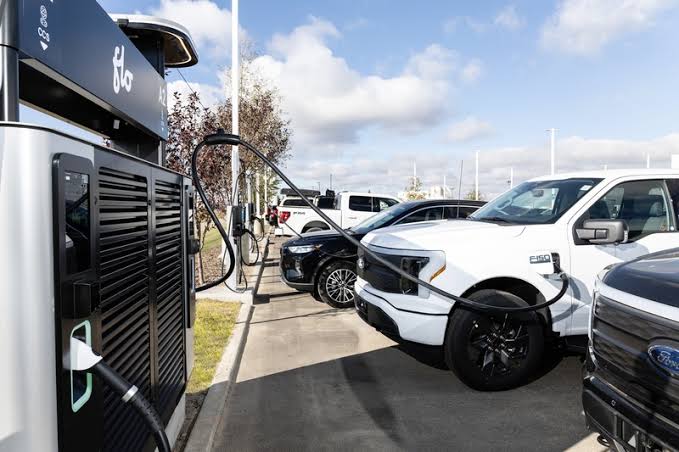
Installing an EV charger can make electric vehicle ownership considerably more convenient, but the equipment, electrical work, permits, and installation can add to the upfront cost. EV installation rebates and other incentives can help reduce that expense, depending on where you live, who provides your electricity, the type of property involved, and the requirements of the available program.
The important point is that EV charger incentives are not identical everywhere. Programs can come from utilities, states, local governments, employers, or other organizations, and eligibility rules can change over time. Federal tax provisions can also have specific expiration dates and geographic requirements. This guide explains how to find EV installation rebates, determine whether you qualify, avoid common mistakes, and combine available incentives where program rules allow it.
What Are EV Installation Rebates and Incentives?
EV installation rebates and incentives are financial programs designed to reduce the cost of installing electric vehicle charging equipment. They may help cover part of the charger itself, electrical installation, wiring, a panel upgrade, permitting, or other qualifying expenses.
The exact benefit depends on the program. A utility might provide a rebate after you install an eligible Level 2 charger, while a state program might offer funding for residential or commercial charging infrastructure. Some incentives take the form of tax credits rather than upfront rebates.
This distinction matters because a rebate and a tax credit work differently. A rebate generally reduces the amount you ultimately pay or reimburses part of an eligible expense. A tax credit is generally claimed through a tax return and is subject to its own eligibility rules.
Before purchasing equipment, identify which type of incentive is available and whether the program requires approval before installation.
Why You Should Check Rebates Before Installing an EV Charger
One of the most common mistakes is treating incentives as something to investigate after the project is finished.
Some programs require you to apply for approval before purchasing equipment or beginning electrical work. Others require a specific charger model, a participating contractor, proof of purchase, inspection documentation, or installation by a qualified electrician.
Program funding can also be limited. A rebate may become unavailable after a budget is exhausted, while eligibility requirements can change when a program is renewed.
For that reason, the best time to investigate incentives is before you order the charger or schedule installation.
Where to Find EV Installation Rebates
There is no single national database that guarantees every available residential or commercial incentive. Finding the right programs usually requires checking several sources.
Check Your Electric Utility
Your electricity provider is one of the first places to look. Utilities may offer programs designed to encourage EV adoption, manage charging demand, or support installation of network-connected charging equipment.
Search your utility’s website for terms such as “EV charger rebate,” “EV charging program,” “electric vehicle incentives,” or “home charging.”
Pay particular attention to eligibility conditions. A program may be limited to residential customers, require enrollment in a specific electricity rate, or require an approved charger.
Check State and Local Programs
State energy offices, transportation agencies, municipalities, and local governments may provide additional EV charging incentives.
Availability can vary significantly between states and even between neighboring cities or utility service territories. This makes location one of the most important factors when researching EV installation rebates.
A useful approach is to search for programs using your state, city, ZIP code, and utility provider together.
For drivers researching where to charge after installation, an EV charging directory can also help identify charging stations by state, city, ZIP code, network, and connector type.
Look for Commercial and Workplace Incentives
Businesses, apartment owners, workplaces, nonprofits, and other organizations may have access to programs that differ from residential incentives.
Commercial programs can sometimes support multiple charging ports or larger electrical infrastructure projects. However, they may involve additional requirements relating to property ownership, installation standards, labor requirements, accessibility, reporting, or charger networking.
Businesses should evaluate the entire project rather than focusing only on the charger purchase price.
Understand the Federal EV Charging Tax Credit
Federal EV charging incentives have changed over time, so older articles can easily provide outdated information.
For example, the federal Alternative Fuel Vehicle Refueling Property Credit under Section 30C was accelerated to terminate for qualified property placed in service after June 30, 2026. The IRS states that eligible residential property placed in service through June 30, 2026 could qualify for a credit of 30% of the cost, up to $1,000 per item, subject to requirements including installation in an eligible census tract.
That means consumers researching a charger installation in 2026 should pay close attention to the placed-in-service date, rather than assuming that a previously advertised federal credit is still available for a new installation.
The IRS defines placed in service generally as when qualifying property is ready and available for its intended use. For an EV charger installed at a principal residence, that generally means when the charger is operational.
Federal rules also distinguish between personal-use and business or investment property. Businesses have historically faced different credit calculations and requirements, including eligibility for higher credit rates when prevailing wage and apprenticeship requirements are satisfied.
Because tax law can change, verify the applicable rules with the IRS or a qualified tax professional before relying on a federal tax benefit.
Determine Whether Your Property Qualifies
Finding a rebate is only the first step. You also need to determine whether your specific installation qualifies.
Start by checking the property’s location. Some programs are restricted to certain ZIP codes, utility territories, income categories, census tracts, or other geographic areas.
Then check the property type. Residential homeowners, renters, multifamily property owners, businesses, nonprofits, and government organizations may face different requirements.
You should also confirm whether the program applies to the charger, the installation work, or both. A program may cover eligible equipment but exclude unrelated electrical improvements.
Check Whether Your EV Charger Is Eligible
Do not assume that every Level 2 charger qualifies for every rebate.
Programs may specify eligible equipment based on factors such as power rating, networking capability, safety certification, communication features, load management, or manufacturer approval.
Some utility programs require a network-connected charger because the utility wants to manage charging demand. Others may require equipment from an approved list.
Before purchasing, compare the program’s equipment requirements with the exact charger model you plan to install.
Find Out What Installation Costs Can Be Covered
The largest expense in some charger installations is not the charger itself. Electrical work can become significant when the parking location is far from the electrical panel or when the existing electrical service requires modification.
Potentially eligible expenses vary by program and can include equipment, labor, wiring, conduit, mounting hardware, permits, or electrical upgrades.
However, you should never assume that a panel upgrade or other electrical work qualifies simply because it is necessary for the charger. The program’s rules determine which expenses are eligible.
Request an itemized estimate from your electrician. Separating the charger, labor, wiring, permits, panel work, and other components makes it easier to determine which costs may qualify.
Check the Application and Installation Timeline
Timing is critical when using EV charger rebates.
Some programs operate on a simple reimbursement model: install the equipment, submit documentation, and receive the rebate. Others require pre-approval before installation.
A typical process may involve checking eligibility, selecting approved equipment, submitting an application, receiving authorization, hiring a qualified installer, completing the installation, and submitting invoices and proof of completion.
Do not begin work until you understand which step the program requires first.
Keep the Right Documentation
Good documentation can make the difference between a successful rebate application and a rejected claim.
Keep the purchase receipt for the charger, the electrician’s invoice, proof of payment, installation date, model and serial information where applicable, permits, inspection records, and any approval correspondence.
If the program requires an itemized invoice, make sure your contractor provides one.
You should also save copies of the program terms that applied when you submitted your application. This can be useful if the program’s webpage is later updated.
Can You Combine EV Charger Rebates?
Sometimes, but never assume that incentives can automatically be stacked.
A utility rebate and a state incentive may have rules governing whether one benefit reduces the eligible cost for another. Tax credits can have separate rules as well.
Before combining programs, check each program’s terms for language about other rebates, incentives, grants, or tax credits.
A useful strategy is to calculate your total project cost first, then identify every potential incentive and determine whether the programs can legally and practically be combined.
How Renters Can Take Advantage of EV Charging Incentives
Renters can face additional challenges because they may not control the electrical infrastructure or parking space.
If you rent a single-family home, ask the landlord whether installing a charger is permitted and who is responsible for electrical work. In an apartment or condominium, charging may require approval from the property manager, homeowners association, or building owner.
Some programs are specifically designed for multifamily properties or shared charging infrastructure, so property owners should investigate commercial and multifamily incentives separately.
The important point is to confirm ownership, installation authority, and incentive eligibility before spending money.
Avoid These Common EV Rebate Mistakes
The most expensive mistake is installing a charger before checking the incentive’s requirements.
Another common problem is buying equipment that does not qualify. A charger can be technically compatible with an EV but still fail to meet a utility’s rebate requirements.
Incomplete documentation is another frequent issue. Keep invoices, receipts, approvals, installation records, and other evidence from the beginning of the project.
Finally, avoid relying on old incentive articles. EV charging policies can change, expire, or be replaced. The federal Section 30C rules demonstrate why current information matters: the termination date was changed by federal legislation, and the IRS now identifies June 30, 2026 as the final date for property placed in service under the amended provision.
A Practical Strategy for Maximizing EV Installation Savings
The most effective approach is to treat the incentive search as part of the charger installation project rather than as an afterthought.
Start with your exact location and electricity provider. Identify residential, commercial, state, local, and utility programs that apply to the property. Then check equipment requirements and whether pre-approval is necessary.
Next, obtain an itemized installation quote. Compare the eligible and non-eligible portions of the project, and confirm the expected rebate before making a purchase.
Finally, keep complete records and submit the application within the required deadline.
For additional charging information, drivers can use EV charging directories to explore charging locations by state, city, ZIP code, network, and other relevant categories. The U.S. Department of Energy’s Alternative Fueling Station Locator is another resource for finding public EV charging infrastructure.
Reduce the Cost of Your EV Charging Installation
The key to taking advantage of EV installation rebates is researching incentives before you buy equipment or begin electrical work. Start with your utility, state and local programs, and current federal guidance, then verify equipment eligibility, installation requirements, deadlines, and documentation rules.
Because incentives can expire or change, current program information is more valuable than a generic rebate list. Once your installation is complete, you can also explore EV charging directories to find public charging stations, networks, and charging options for longer trips and everyday driving.
Frequently Asked Questions
Are there rebates for installing an EV charger at home?
Yes, some utilities, states, local governments, and other organizations offer residential EV charger incentives. Eligibility varies by location, equipment, property type, and installation date.
Can an EV charger rebate cover installation costs?
Some programs cover part of installation costs, while others focus on the charging equipment itself. Check the specific program rules before assuming labor, wiring, permits, or electrical upgrades are eligible.
Do I need to apply for an EV charger rebate before installation?
Some programs require pre-approval, while others allow applications after installation. Always check the program requirements before purchasing equipment or starting electrical work.
Are federal EV charger tax credits still available?
The federal Section 30C Alternative Fuel Vehicle Refueling Property Credit was accelerated to terminate for qualifying property placed in service after June 30, 2026. Earlier installations may have qualified if all applicable requirements were met.
Can I combine a utility rebate with another EV charging incentive?
Possibly. Some programs permit stacking while others restrict it or adjust the eligible cost when another incentive is received. Review the rules for every program before combining benefits.
Do EV charger rebates cover electrical panel upgrades?
It depends on the program. Some incentives may cover electrical infrastructure directly associated with an eligible charger, while others exclude broader electrical improvements.
Can renters receive EV charger incentives?
Potentially. Eligibility depends on the specific program and whether the renter has permission to install the equipment. Landlord, property-manager, or homeowners-association approval may also be necessary.
No reviews yet — be the first to share your experience.