
How to Choose the Right EV Charging Accessories
By Staff Writer · September 19, 2026
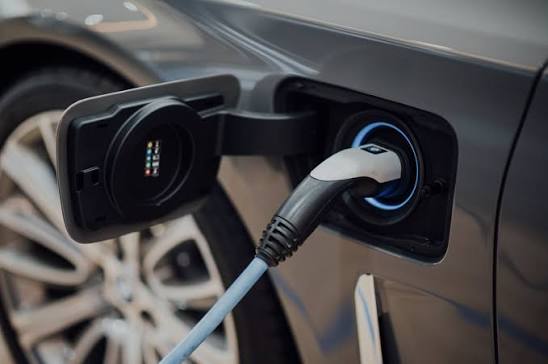
Choosing the right EV charging accessories can make electric vehicle charging more convenient, organized, and practical at home or on the road. While an EV and its charging equipment can handle the core charging process, accessories can help solve everyday problems such as cable storage, connector protection, portability, weather exposure, and compatibility between different charging setups.
The right accessories depend on how you charge, where you park, the connector used by your vehicle, and how often you travel. A homeowner with a dedicated Level 2 charger has different requirements from an EV driver who regularly takes long road trips or relies primarily on public charging stations.
This guide explains how to choose EV charging accessories based on your actual charging routine. It covers cables, adapters, holders, organizers, storage solutions, mounting equipment, portable charging equipment, safety considerations, and the factors worth checking before buying.
Why EV Charging Accessories Matter
An EV charging accessory should solve a specific problem rather than simply add another piece of equipment to your setup. Some accessories improve organization, while others address compatibility, portability, or protection.
For example, a cable holder can prevent a charging cable from lying across a garage floor. A connector holster can keep the plug protected when it is not connected to the vehicle. A storage bag can make portable charging equipment easier to carry during a trip.
Accessories can also become important when your charging routine changes. An EV driver who initially charges only at home may later begin commuting longer distances, traveling between cities, or using public charging networks. The accessories that were unnecessary at first may become useful as charging habits evolve.
The key is to choose equipment according to the charging environment rather than buying accessories simply because they are marketed for EV owners.
How to Choose EV Charging Accessories for Your Needs
The best starting point is to identify how you use your EV. Your daily driving distance, charging locations, parking arrangement, vehicle connector, and travel frequency all affect which accessories make sense.
Consider Where You Usually Charge
Home charging generally benefits from organization and storage accessories. If your charger is installed in a garage, carport, driveway, or another dedicated parking location, consider how the cable and connector will be stored between charging sessions.
Public charging creates different requirements. Drivers who regularly use charging stations may place greater value on portable equipment, connector compatibility, and compact storage.
Road-trip drivers need to think about equipment that can be transported easily and kept organized in the vehicle. Fleets and businesses may have additional requirements involving repeated use, cable management, and equipment durability.
Consider Your Vehicle’s Connector
Connector compatibility is one of the most important factors when selecting an EV charging accessory.
Different EVs and charging systems can use different connector standards. Depending on the vehicle, model year, market, and charging system, you may encounter connectors such as J1772, CCS, NACS, also known as SAE J3400, or Type 2.
Do not assume that an accessory will work with every EV simply because it is described as an EV product.
Check the connector specification for your vehicle and charging equipment before purchasing a cable, adapter, holster, or other accessory that physically connects to the vehicle.
Consider Your Charging Equipment
Your vehicle is only one part of the compatibility equation. You should also consider the charger or charging station.
For home charging, identify whether you use a portable charging cable, a wall-mounted Level 2 charger, or another type of equipment. For public charging, understand whether the stations you typically use provide the connector required by your vehicle.
An accessory designed around a particular connector or charging setup may not be suitable for another configuration.
EV Charging Cables: What Should You Look For?
Charging cables are among the most important accessories because they provide the physical connection between the vehicle and charging equipment in many charging situations.
The appropriate cable depends on the type of charging you use and the connectors involved. AC charging cables and DC fast-charging equipment operate differently, so an accessory designed for one application should not automatically be treated as suitable for another.
Cable Compatibility
Always verify both ends of a charging cable.
One end may connect to the vehicle while the other connects to a charging station or electrical supply. The connector configuration needs to match the intended charging equipment.
For example, a driver may need a J1772-compatible cable for an AC charging setup, while another vehicle may use NACS/J3400. European-market vehicles commonly use Type 2 for AC charging, while CCS configurations vary by region.
The correct cable is therefore determined by the vehicle, charger, connector standard, and intended use.
Cable Length
Cable length affects convenience, storage, and portability.
A cable that is too short may make some charging positions difficult to reach. A very long cable can provide flexibility but may be heavier and more difficult to store.
For a fixed home charging location, choose a length that works comfortably with the parking position without creating unnecessary slack. For portable travel equipment, consider how much cable you realistically want to carry in the vehicle.
Cable Durability
Charging cables are repeatedly handled, bent, coiled, and exposed to different environments. Look for construction appropriate for your intended use and follow the manufacturer’s instructions for storage and handling.
Avoid treating the cable as an ordinary extension cord. Charging equipment is designed for specific electrical applications, and improper modifications or unsuitable extension equipment can introduce safety risks.
When Should You Choose an EV Charging Adapter?
An EV charging adapter can be useful when it provides compatibility between equipment that would otherwise use different connector configurations.
However, adapters should not be treated as universal solutions.
Before purchasing one, confirm that the adapter is specifically designed for your vehicle, charging equipment, connector types, and charging application. Pay attention to whether it supports AC charging, DC charging, or another specific use.
Check More Than the Connector Shape
A physical connection does not automatically mean electrical compatibility.
An adapter may fit mechanically while still being unsuitable for a particular charging system. Communication protocols, electrical ratings, safety mechanisms, and charging standards can all matter.
This is particularly important for higher-power charging applications. Always follow the vehicle and charging-equipment manufacturer’s compatibility requirements.
Avoid Unnecessary Adapters
If your vehicle and charging network already use compatible connectors, an adapter may provide little practical benefit.
Additional equipment can mean another item to store, inspect, and carry. Choose an adapter because it solves a genuine compatibility problem rather than because it provides another possible connection.
EV Cable Holders and Connector Holsters
Cable holders and connector holsters are particularly useful for home charging.
A charging cable can become difficult to manage when it is left on the floor or loosely coiled. A wall-mounted holder gives the cable a designated storage location and can help keep the charging area organized.
A connector holster serves a similar purpose for the charging plug. It provides a place to store the connector when it is disconnected from the vehicle.
Choosing a Cable Holder
When choosing an EV cable holder, consider the cable’s size and weight, the mounting surface, and the location where you intend to install it.
The holder should be appropriate for the charging cable rather than selected only for appearance. If the charger is installed outdoors, consider whether the holder is intended for outdoor use and how it will handle the local environment.
Choosing a Connector Holster
The connector holster needs to accommodate the connector you use.
A holster designed for one connector type may not securely hold another. Check the product specifications and dimensions before purchasing.
A good storage location also keeps the connector away from areas where it could be stepped on, dragged across the ground, or exposed unnecessarily to dirt and moisture.
EV Charging Cable Organizers and Storage Bags
A cable organizer is useful when portability matters.
Charging cables can take up significant space when loosely stored in a vehicle. An organizer, case, or storage bag can keep the cable contained and make it easier to transport.
This is particularly useful for drivers who keep portable charging equipment in their vehicle.
What Makes a Good Storage Solution?
Look for a storage solution that accommodates the actual dimensions of your charging equipment. Avoid forcing a large cable into a small case simply because the case is marketed as an EV accessory.
The storage solution should also make it easy to remove and replace the equipment. A charging cable that is difficult to store properly may be more likely to be left loose in the trunk or cargo area.
For outdoor use, remember that a storage bag is not automatically weatherproof. Check the manufacturer’s specifications rather than assuming that a bag provides protection from rain or moisture.
Portable EV Charging Equipment
Portable EV charging equipment can provide additional flexibility for drivers who need charging options away from their primary home setup.
A portable charger can be useful for certain travel situations, but it should be selected based on the vehicle, electrical supply, connector configuration, and manufacturer’s requirements.
What to Check Before Buying a Portable Charger
Verify that the portable equipment is compatible with your vehicle and intended electrical connection.
You should also understand the charging power it supports and whether the available electrical supply can safely provide the required power. A portable charger is not a substitute for appropriate electrical infrastructure.
For home use, any permanent or higher-power installation should be evaluated according to applicable electrical requirements and manufacturer’s instructions.
For travel, consider how often you are likely to use the portable equipment. If it will remain in your vehicle most of the time, size, weight, storage, and cable management become more important.
Choosing Outdoor EV Charging Accessories
Outdoor charging introduces additional environmental considerations.
A driveway or carport setup may expose charging equipment to rain, dust, sunlight, temperature changes, and other conditions that are less common inside a garage.
When choosing outdoor EV charging accessories, verify that the product is designed for the intended environment. Look for manufacturer-provided information about environmental protection and installation requirements.
Cable storage is especially important outdoors. Avoid leaving charging equipment in locations where vehicles can drive over it, people can trip over it, or water can accumulate around electrical connections.
Outdoor accessories should complement the charging equipment rather than interfere with its safety features.
How to Choose Accessories for EV Road Trips
Road trips require a different approach from everyday home charging.
A driver who normally plugs in at home may suddenly need to use different charging networks, connector types, or charging locations while traveling. Planning ahead can make the charging process more predictable.
Portable charging equipment can provide an additional option where appropriate. A compact storage solution can keep cables and adapters organized, while compatible adapters may help in situations where the vehicle and available charging equipment use different supported connectors.
However, road-trip equipment should never be selected solely based on the promise of universal compatibility. Verify the charging standards supported by your vehicle and the equipment you plan to use.
Before leaving, drivers can also use an EV charging station directory to research charging locations along a route, identify stations in destination cities, and check available station information before relying on a particular charging option.
Choosing EV Charging Accessories for Home
Home charging accessories should make routine charging easier without creating unnecessary complexity.
A typical home setup may benefit from a cable holder, connector holster, cable organizer, or suitable storage solution. The exact combination depends on whether the charger is mounted indoors, installed outdoors, or connected through portable equipment.
The physical layout of your parking area matters as well. Think about where the vehicle stops, where the charging equipment is mounted, and how the cable travels between the charger and vehicle.
The goal is to create a charging routine where the cable can be deployed without crossing unnecessary walking paths and returned to a dedicated storage position after charging.
How Safety Should Influence Your Accessory Choices
Safety should take priority over convenience when choosing EV charging accessories.
Avoid modifying charging equipment unless the manufacturer explicitly supports the modification. Do not assume that a generic electrical accessory is suitable for EV charging simply because it has a compatible-looking plug.
Inspect cables and connectors periodically for visible damage. If equipment becomes damaged, unusually hot, or otherwise behaves unexpectedly, stop using it and follow the manufacturer’s guidance.
Charging accessories should also be kept away from situations that could cause mechanical damage. Do not allow heavy objects or vehicles to run over charging cables, and avoid creating trip hazards around the charging area.
For permanent installations, use qualified electrical professionals where required and follow applicable electrical codes and installation instructions.
How to Match Accessories to Your Charging Routine
The most effective way to select accessories is to start with your routine rather than a shopping list.
If you primarily charge at home, focus on cable management, connector storage, and protecting the charging area. If you regularly travel, portability and equipment organization become more important.
If you frequently use public charging stations, connector compatibility and a clear understanding of the charging standards supported by your vehicle may matter more than having a large collection of accessories.
For fleet operators or businesses, durability, standardized equipment, storage, and ease of repeated use may influence accessory decisions.
For Home-Focused EV Drivers
Home-focused drivers can generally prioritize organization and convenience. A wall-mounted cable holder and connector holster can help create a consistent charging routine, while a storage solution can keep portable equipment organized.
If charging equipment is outdoors, environmental suitability becomes another consideration.
For Frequent Travelers
Frequent travelers should prioritize portability, compatibility, and organization. A suitable charging cable, compatible adapter where necessary, and compact storage system can help keep equipment ready for use.
Drivers should also plan charging stops using current station information rather than assuming that every location supports the same connector or charging method.
For Businesses and Fleets
Businesses and fleet operators need to consider how frequently charging equipment will be handled and by how many users.
Accessories that improve cable management can help keep charging areas organized. Standardizing equipment where practical can also simplify training and daily operations.
The appropriate solution will depend on the fleet’s vehicles, charging infrastructure, parking layout, and operating schedule.
Common Mistakes When Buying EV Charging Accessories
One of the most common mistakes is buying an accessory based only on the connector’s appearance.
A connector that physically resembles another connector does not necessarily provide the same charging functionality. Compatibility should be verified through manufacturer documentation.
Another mistake is buying equipment that is more powerful than the rest of the charging system can use. Higher-rated equipment is not automatically more useful if the vehicle or charging infrastructure does not support the additional capability.
Some drivers also overlook storage. A charging cable may work perfectly but become inconvenient when there is no practical place to store it.
Finally, avoid buying several accessories before identifying the actual problems you need to solve. A simple charging setup can often remain effective with only a few well-chosen accessories.
How to Build an EV Charging Accessory Kit
An EV charging accessory kit should reflect how you actually use the vehicle.
Start with the equipment you already have. Identify whether your main problem is compatibility, storage, cable management, portability, or outdoor exposure.
Then add accessories that address those specific needs.
For a home setup, this might mean prioritizing a cable holder and connector holster. For road trips, a storage bag and appropriate portable equipment may be more useful. Drivers who encounter connector compatibility issues may need a manufacturer-approved adapter that specifically supports their charging configuration.
Keep the kit manageable. More accessories do not necessarily mean a better charging experience.
How to Maintain EV Charging Accessories
Buying the right equipment is only part of the process. Proper storage and regular inspection can help maintain charging accessories over time.
Keep cables reasonably organized instead of creating tight bends or sharp kinks. Store connectors in their intended protective locations when possible.
Clean equipment according to the manufacturer’s instructions. Avoid using inappropriate chemicals or excessive moisture around electrical components.
Inspect accessories for visible wear before use, particularly after long trips or extended outdoor exposure. If an accessory shows signs of damage, consult the manufacturer or a qualified professional before continuing to use it.
How EV Charging Accessories Fit Into a Larger Charging Strategy
Accessories should support your overall charging strategy rather than replace it.
A well-organized home setup can make daily charging easier, but drivers who travel frequently should also understand where compatible public charging stations are located.
An EV charging directory can help drivers explore stations by city, state, ZIP code, network, or charging category where those directory pages are available. This can be especially useful when planning a route or identifying alternative charging locations.
For example, if a driver knows that a particular trip requires public charging, researching destination charging stations before departure can help identify suitable locations. The accessory kit then becomes part of a broader charging plan rather than the only solution.
What to Check Before Buying an EV Charging Accessory
Before purchasing any accessory, verify its compatibility with the equipment you already use.
Check the connector type, charging application, electrical ratings, physical dimensions, environmental requirements, and manufacturer instructions. If an accessory connects directly to charging equipment, pay particular attention to whether it is specifically approved for that application.
For storage products, focus on fit and practicality. For holders and mounts, consider the installation surface and location. For adapters, carefully confirm both the source and destination connector configurations and supported charging application.
Most importantly, do not rely solely on generic marketplace descriptions. Product specifications from the manufacturer are a better basis for compatibility decisions.
When You Do Not Need an EV Charging Accessory
Not every EV owner needs a large collection of charging accessories.
If your vehicle comes with the equipment you need, your home charger is conveniently located, and you rarely travel, additional equipment may provide little benefit.
Likewise, if your public charging routine already works without adapters or additional cables, buying them “just in case” may simply add cost and storage requirements.
The right accessory is the one that solves a real problem.
This approach also makes it easier to keep your vehicle organized. Instead of carrying multiple cables, adapters, and storage products, you can maintain a smaller collection that matches your actual charging needs.
Finding Compatible Charging Equipment and Stations
Choosing accessories is easier when you understand the charging environment in which they will be used.
Before purchasing equipment, identify your vehicle’s supported charging connectors and the charging methods you expect to use. Then consider whether your normal charging locations require any additional equipment.
For public charging, drivers can explore an EV charging station directory to research charging locations in relevant cities, ZIP codes, states, or areas along a planned route. Station information should be checked before travel because connector availability, operating conditions, pricing, and other details can change.
For home charging, the priority is understanding the electrical installation and charger configuration first. Accessories such as holders, holsters, and organizers can then be selected around that established setup.
The Right Accessories Depend on How You Charge
There is no universal EV charging accessory kit that every driver needs.
A driver who charges in a garage every night may primarily need cable management and connector storage. Someone who regularly travels long distances may place greater value on portable equipment, compatible adapters, and compact storage. A business or fleet may need durable cable-management solutions for repeated use.
The most important factors are compatibility, safety, practicality, and frequency of use. Start with your vehicle and charging equipment, identify the problems you actually encounter, and select accessories that address those problems.
For drivers who use public charging regularly, combining the right equipment with advance station research can make charging easier to manage. Exploring relevant EV charging station directory pages by location, network, connector type, or charging category can help complete that planning process.
Choosing Accessories That Make EV Ownership Easier
The right EV charging accessories should simplify charging rather than complicate it.
A well-chosen cable holder can keep a garage organized. A connector holster can give the charging plug a dedicated storage point. A suitable cable organizer can make portable equipment easier to transport. A compatible adapter can solve a genuine connector requirement when the equipment is designed for that specific use.
The important step is to verify compatibility before buying and to select accessories according to your actual charging environment.
As your charging habits change, your accessory needs may change too. Whether you primarily charge at home, depend on public charging, or travel frequently, a small number of carefully selected accessories can help create a cleaner, more convenient, and more manageable EV charging routine.
No reviews yet — be the first to share your experience.