
How to Choose an EV Charger Installer: Qualifications, Costs and Questions to Ask
By Staff Writer · October 9, 2026
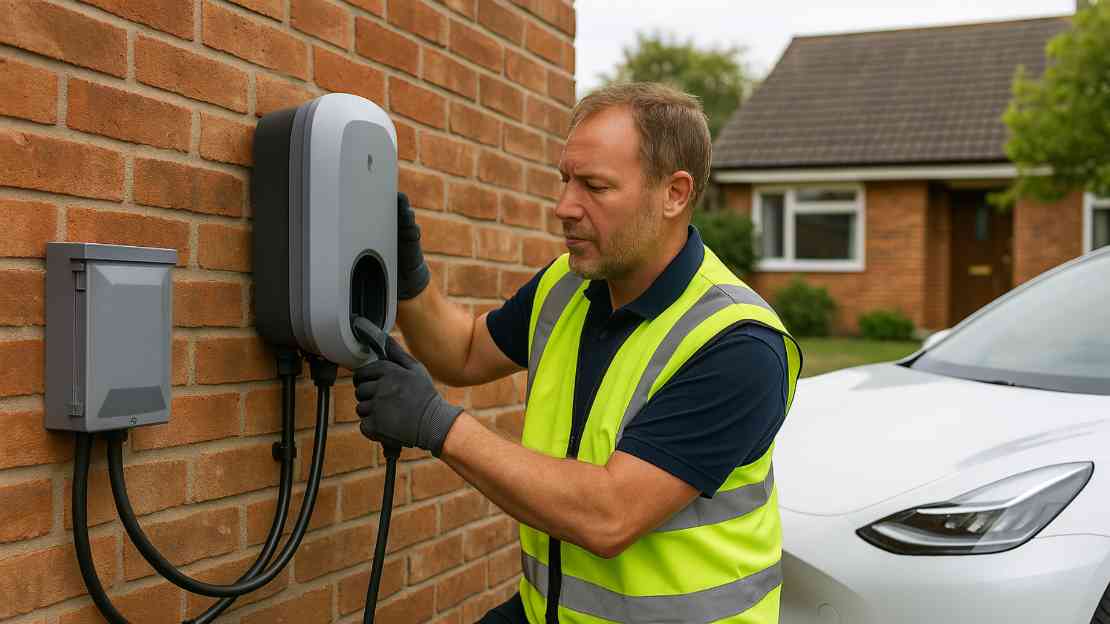
Choosing the right EV charger installer is essential for a safe, reliable, and cost-effective electric vehicle charging setup. Whether you are installing a charger at home, in an apartment building, or at a commercial property, the installer must understand electrical requirements, equipment compatibility, permitting procedures, and the demands of your site. A poorly planned installation can lead to unexpected expenses, charging limitations, or avoidable safety problems.
Comparing installers involves more than looking at the lowest quotation. You should evaluate professional qualifications, relevant experience, installation costs, warranties, and after-installation support. It is also important to understand whether your electrical system needs upgrading and which permits apply to your project. This guide explains how to evaluate EV charger installers, compare quotations, and ask the right questions before making a decision.
1. Check the Installer’s Qualifications and Licensing
The first step is to verify that an installer has the qualifications and legal authorization required to perform the electrical work in your area.
In the United States, EV charger installations may require a licensed electrician, depending on local regulations and the scope of the work. Requirements vary by state and municipality, so confirm the applicable rules before hiring a contractor.
Ask potential installers about their electrical licenses, relevant certifications, insurance coverage, and experience with EV charging equipment. For commercial installations, confirm that the contractor can manage larger electrical loads, multiple chargers, and any required utility coordination.
You should also verify whether the installer has experience with the specific charger brand and model you intend to purchase. Manufacturer training or authorization can be beneficial, particularly when an installation involves networked equipment, advanced load management, or commercial charging systems.
2. Look for Experience With Your Type of Installation
Not every electrician has the same experience with EV charging infrastructure. Choose an installer whose previous work matches your project’s requirements.
Home EV charger installation
Residential installations commonly involve Level 2 chargers, dedicated circuits, garage wiring, outdoor mounting, and electrical panel assessments.
A suitable installer should be able to determine whether your existing electrical service can support the charger and explain whether additional work is necessary.
Apartment and condominium installations
Multifamily properties can involve shared electrical systems, limited parking, property management approvals, and the need to distribute electrical capacity among several charging points.
Look for installers experienced in load management, shared charging infrastructure, and installations that can expand as demand increases.
Commercial EV charger installation
Businesses may need multiple charging ports, payment systems, network connectivity, and integration with existing electrical infrastructure.
Commercial projects can also require more extensive planning, permits, utility coordination, and ongoing maintenance arrangements. Choose a contractor with relevant experience rather than assuming a residential specialist can manage every commercial requirement.
Ask for examples of comparable projects, including the type of equipment installed and how the contractor handled technical or permitting challenges.
3. Compare EV Charger Installation Costs
Installation prices vary according to the charger, electrical infrastructure, labor, and site conditions. Comparing itemized quotations helps you understand what each installer is offering.
A professional quotation should distinguish equipment costs from installation labor and additional work.
Important cost components include:
- Charger and accessories: The charging unit, mounting equipment, and any required accessories.
- Electrical work: Wiring, circuit breakers, conduit, and labor.
- Electrical upgrades: Panel or service upgrades when required.
- Site preparation: Trenching, drilling, mounting pedestals, and surface repairs.
- Permits and inspections: Applicable approval fees and inspection costs.
- Additional services: Networking, commissioning, load management, and ongoing support.
A lower initial quote may exclude important work that appears in a competitor’s quotation. Compare the scope of work, equipment specifications, warranty coverage, and potential additional charges before choosing.
Request written confirmation of what is included and what could increase the final price.
4. Confirm That the Installer Assesses Your Electrical Capacity
Before installing a charger, the contractor should assess whether your electrical system can support the proposed charging load.
For a home installation, this typically involves checking the electrical panel, existing circuits, service capacity, and proposed charger rating. A commercial installation may require a more extensive load assessment and coordination with the utility.
If capacity is limited, the installer may recommend an electrical upgrade, load management, or a different charging configuration.
Be cautious if a contractor recommends equipment without inspecting the site or asking about your electrical supply. Although some preliminary estimates can be provided remotely, a reliable final proposal should account for the actual installation conditions.
Ask the installer to explain any recommended upgrades and why they are necessary. This helps you understand whether the proposed solution is appropriate for your needs.
5. Check Charger Compatibility and Installation Standards
The installer should help you confirm that the charger is compatible with your vehicle and suitable for your property.
In the United States, connector compatibility is an important consideration. J1772 is widely used for Level 2 AC charging, while NACS and CCS1 are relevant to DC fast charging. Compatibility depends on the vehicle, charging equipment, and available adapters.
The installer should also consider charging power, cable length, indoor or outdoor placement, weather exposure, and the manufacturer’s installation instructions.
Ask whether the proposed equipment meets applicable electrical safety and product certification requirements. The installation must comply with the electrical codes adopted by your local jurisdiction.
A qualified installer should explain the available options without pushing you toward equipment that exceeds your actual charging needs.
6. Verify Permits, Inspections, and Insurance
Permits and inspections are important parts of many EV charger installations. Depending on the jurisdiction and project scope, you may need an electrical permit, building approval, or utility authorization.
Ask the installer who will apply for permits, pay the associated fees, arrange inspections, and correct any deficiencies identified by the local authority.
Confirm that the contractor carries appropriate liability insurance and any required workers’ compensation coverage. Ask for documentation where appropriate.
For commercial projects, check whether the contractor can coordinate with property managers, utility providers, and other trades involved in the installation.
Do not assume that hiring an installer automatically means the work will be permitted or inspected. These responsibilities should be clearly defined in the written agreement.
7. Review Warranties and After-Installation Support
A reliable installer should explain the warranties that apply to both the charging equipment and the installation work.
These are separate forms of protection. A manufacturer’s warranty may cover specified equipment defects, while the installer’s workmanship warranty may cover installation-related problems under its stated terms.
Ask about warranty duration, exclusions, claims procedures, and whether labor is covered if repairs are necessary.
For networked chargers, find out who provides software support, remote diagnostics, firmware updates, and troubleshooting. Commercial operators should also understand the maintenance response process if a charger becomes unavailable.
A clear support arrangement can reduce disruption and unexpected expenses after installation.
8. Questions to Ask Before Hiring an EV Charger Installer
Before signing a contract, ask each installer the same core questions so you can compare their proposals fairly.
- What licenses and qualifications do you hold? Confirm that the contractor meets local requirements for the proposed work.
- Have you completed similar installations? Request examples relevant to your property type and charger configuration.
- Will you assess my electrical capacity? Find out whether the quotation includes an assessment and identifies potential upgrades.
- What does the quotation include? Confirm equipment, labor, wiring, permits, inspections, and site preparation.
- Who handles permits and inspections? Establish responsibility for applications, fees, scheduling, and final approval.
- What warranties do you provide? Ask about equipment warranties, workmanship coverage, and exclusions.
- How long will installation take? Request an estimated schedule and identify potential delays, including utility work.
- What happens if the charger stops working? Understand the available support, maintenance arrangements, and expected response times.
Written answers make it easier to compare contractors and identify missing services before committing to a project.
9. Watch for Warning Signs When Comparing Installers
Be cautious if an installer refuses to provide a written quotation, cannot demonstrate the required qualifications, or recommends an electrical upgrade without explaining the reason.
Other warning signs include vague warranty terms, unclear responsibility for permits, pressure to make an immediate decision, and promises that disregard local requirements.
Extremely low quotations deserve particular scrutiny if they omit essential materials, inspections, or electrical work. The objective is not to choose the most expensive installer but to find a qualified contractor offering a complete and appropriately priced solution.
Check references and independent customer reviews where available, paying attention to installation quality, communication, punctuality, and after-sales support.
Choose an Installer Who Delivers Long-Term Value
Choosing an EV charger installer requires balancing qualifications, experience, cost, equipment compatibility, and ongoing support. A reliable contractor should assess your electrical system, explain the installation requirements, provide an itemized quotation, and clarify responsibilities for permits, inspections, and warranties.
Obtain multiple quotations and compare their scope rather than focusing exclusively on the lowest price. For larger projects, prioritize installers with demonstrated experience in commercial charging infrastructure and ongoing system management.
A well-planned installation can help ensure safe, dependable charging while reducing the risk of unexpected expenses and future modifications.
Frequently Asked Questions
How do I find a qualified EV charger installer?
Search for licensed electricians or EV charging specialists in your area. Verify their qualifications, insurance, relevant experience, customer references, and ability to meet local permitting requirements.
How much does it cost to hire an EV charger installer?
Costs depend on the charger, wiring requirements, electrical capacity, labor, and site conditions. Request itemized quotations that include equipment, installation, permits, and any required upgrades.
Should I buy the EV charger before hiring an installer?
It is usually best to consult an installer before purchasing equipment. A site assessment can help determine which charger suits your vehicle, electrical supply, and intended charging location.
Does an EV charger installer need to be licensed?
Licensing requirements vary by jurisdiction and the type of work involved. Verify local regulations and ensure the contractor has the qualifications required for your installation.
How long does EV charger installation take?
A straightforward residential installation may be completed in a few hours, but more complex projects can take longer. Electrical upgrades, permitting, utility work, and construction can extend the overall schedule.
Should the installer arrange permits and inspections?
Many contractors offer to manage these tasks, but responsibilities vary. Confirm in writing who obtains permits, pays fees, schedules inspections, and addresses any required corrections.
What warranty should I expect from an EV charger installer?
Ask for the installer's workmanship warranty separately from the manufacturer's equipment warranty. Coverage periods, exclusions, and repair responsibilities vary, so review the written terms before signing.
Is the cheapest EV charger installer the best option?
Not necessarily. Compare qualifications, project scope, equipment quality, warranties, and after-sales support. A slightly higher quotation may offer better value if it includes essential work and reliable service.
No reviews yet — be the first to share your experience.