
How Fast Can an EV Charge? Charging Speeds Explained
By Staff Writer · September 28, 2026
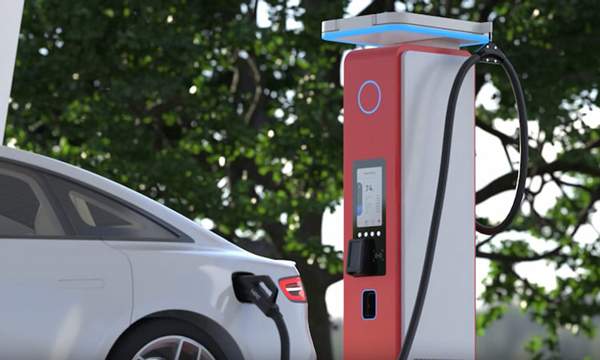
How fast an EV can charge depends on the charging equipment, the vehicle’s maximum charging capability, battery size, battery temperature, and current state of charge. A standard household outlet can add only a small amount of range per hour, while a Level 2 charger can provide substantially more energy during an overnight session. DC fast chargers can deliver even more power, allowing compatible EVs to add significant range during a relatively short stop.
Understanding EV charging speed is important when choosing a home charger, planning a road trip, or comparing public charging stations. This guide explains the different charging levels, what determines real-world charging speed, and why an EV does not always charge at the maximum power advertised by a charger.
How Fast Can an EV Charge?
There is no single charging speed that applies to every electric vehicle.
Level 1 charging is the slowest option and typically works from a standard household outlet. Level 2 charging provides considerably more power and is commonly used for home, workplace, and public charging. DC fast charging is designed for rapid charging and is particularly useful when traveling long distances.
As a general guide, Level 1 may add only a few miles of range per hour, Level 2 can add roughly 10 to 60 miles of range per hour depending on the vehicle and equipment, and DC fast charging can add substantial range in a short period.
These figures are estimates rather than guaranteed charging speeds. The actual rate varies significantly between EV models and charging conditions.
Level 1 Charging Speed
Level 1 charging uses a standard household electrical outlet. It is generally the easiest charging option because it does not require a dedicated high-voltage charging installation.
However, it provides relatively little power compared with other charging methods. A typical Level 1 setup may add around 2 to 5 miles of driving range per hour, although the actual amount depends on the EV’s efficiency and charging characteristics.
For drivers with short daily commutes, Level 1 charging can be sufficient when the vehicle remains parked for many hours. It can also be useful when installing a Level 2 charger is not practical.
The main limitation is time. Recharging a large battery from a low state of charge can take many hours or even more than a day using Level 1 charging.
Level 2 Charging Speed
Level 2 charging is significantly faster and is the most common dedicated charging solution for everyday EV use.
Level 2 equipment typically operates from a 240-volt electrical supply in North America. Depending on the charger and vehicle, it can provide roughly 10 to 60 miles of range per hour.
This makes Level 2 charging particularly suitable for overnight charging. Instead of waiting for a very long period to recover a substantial amount of range, drivers can often replenish much of their daily energy use while the vehicle is parked at home.
Level 2 chargers are also commonly found at workplaces, apartments, hotels, shopping centers, parking facilities, and other public destinations.
DC Fast Charging Speed
DC fast charging is designed for situations where drivers need to add range quickly.
Unlike Level 1 and Level 2 charging, DC fast charging converts electricity to the appropriate direct-current form within the charging equipment. This allows power to be delivered directly to the vehicle’s battery at much higher rates.
Depending on the vehicle and charging station, DC fast chargers can operate at power levels ranging from relatively modest fast-charging rates to several hundred kilowatts.
Some newer EVs can accept very high charging power under suitable conditions. However, the charger rating alone does not determine how quickly the vehicle will charge.
For example, plugging an EV that accepts a lower maximum DC charging rate into a higher-powered charger does not make the vehicle charge at the charger’s full advertised output.
How Many Miles of Range Can an EV Add Per Hour?
Drivers often find miles of range per hour easier to understand than kilowatts.
The amount of range added depends on the vehicle’s energy efficiency. Two EVs receiving the same amount of electrical power can gain different amounts of driving range because they may consume different amounts of energy per mile.
A more efficient EV can generally travel farther using the same amount of electricity.
For this reason, charging power and added driving range are related but are not identical measurements. When comparing charging stations, it is useful to consider both the station’s power rating and your vehicle’s charging capability.
Why Doesn’t an EV Always Charge at the Maximum Speed?
An EV may be connected to a high-powered charger without continuously receiving the charger’s maximum advertised power.
The vehicle’s battery management system constantly adjusts charging power based on battery conditions. This protects the battery and helps maintain safe operating temperatures.
Charging power can also change significantly during a single session. An EV may accept high power during part of the session and then gradually reduce power as the battery becomes fuller.
This means the maximum charging rate listed for an EV or charger should not be interpreted as the speed maintained throughout the entire charging session.
Battery State of Charge and Charging Speed
The vehicle’s current battery percentage has a major effect on charging speed.
DC fast charging is generally most effective when the battery has plenty of capacity available. As the battery approaches a high state of charge, the vehicle typically reduces charging power.
This reduction is sometimes called the charging curve or taper. It explains why charging from 10% to 80% can take considerably less time than charging from 80% to 100%.
For road trips, drivers often benefit from adding the amount of range they actually need rather than automatically waiting for a completely full battery.
Why Does EV Charging Slow Near 80%?
Charging slows as the battery approaches a high state of charge because the battery management system adjusts power to maintain safe charging conditions.
The exact point where charging begins to taper varies by EV model, battery chemistry, temperature, and other factors. Some vehicles may begin reducing power well before 80%, while others maintain higher power for longer.
This is particularly important when using DC fast chargers. Waiting for the final portion of a charge can take disproportionately longer than the earlier portion.
Understanding your vehicle’s charging curve can therefore be more useful for trip planning than simply looking at its maximum charging rate.
Battery Temperature and Charging Speed
Temperature can have a significant impact on EV charging performance.
Very cold batteries may not accept high charging power until they reach a suitable operating temperature. Extremely high temperatures can also cause the vehicle to limit charging power to protect the battery.
Many modern EVs include battery thermal-management systems that regulate battery temperature. Some vehicles also offer battery preconditioning, which can prepare the battery for faster charging before arriving at a DC fast-charging station.
If your vehicle supports battery preconditioning, using the vehicle’s built-in navigation to select a fast charger may activate the system automatically, depending on the manufacturer and vehicle configuration.
Does a More Powerful Charger Always Mean Faster Charging?
No.
Charging speed is limited by the weakest relevant part of the charging system.
The EV has a maximum AC or DC charging rate. The charging station also has a maximum output. Electrical conditions and battery temperature can further affect the actual rate.
For example, a vehicle capable of accepting 150 kW cannot receive 250 kW simply because it is connected to a 250-kW charger. Conversely, a vehicle capable of accepting 250 kW cannot reach that rate when connected to equipment that provides less power.
The best charging experience comes from matching the vehicle’s capabilities with suitable charging equipment.
How Fast Can an EV Charge at Home?
For most drivers, home charging means Level 1 or Level 2 charging.
Level 1 is convenient because it uses a standard household outlet, but its low power makes it better suited to vehicles that travel relatively short distances or remain parked for long periods.
Level 2 is considerably faster and is often the preferred home charging solution. A dedicated Level 2 installation can provide enough energy overnight to cover much of a typical driver’s daily travel.
The exact charging time depends on the EV’s onboard AC charger, the home’s electrical capacity, the charging equipment, and the battery’s size.
Before installing a Level 2 charger, homeowners should have the electrical system evaluated to determine whether it can safely support the required circuit.
How Fast Can an EV Charge at a Public Station?
Public charging speeds range from slower AC charging to high-powered DC fast charging.
Public Level 2 stations are useful when a vehicle will remain parked for several hours. They are commonly located at destinations such as shopping centers, workplaces, hotels, and parking facilities.
DC fast chargers are better suited to shorter stops. They are particularly useful on highways and major travel routes where drivers need to add range before continuing their journey.
When searching for public EV charging, check the connector type and charging power as well as the station’s location. Exploring charging stations by city, state, ZIP code, or charging network can help you identify options that match your vehicle.
How Fast Can an EV Charge From 10% to 80%?
There is no universal 10%-to-80% charging time.
The result depends on the EV’s battery capacity, maximum DC charging rate, charging curve, battery temperature, and the specific charger being used.
Some EVs can complete this type of fast-charging session relatively quickly, while others require considerably longer. Manufacturer charging specifications can provide an estimate, but real-world results may differ.
When planning a trip, it is better to consider the vehicle’s expected charging curve and the amount of range required for the next part of the journey rather than relying only on the maximum advertised charging speed.
Does Fast Charging Damage an EV Battery?
Modern electric vehicles are designed to use fast charging safely.
The battery management system controls charging power, voltage, and temperature during the session. As conditions change, the vehicle can reduce charging power when necessary.
Frequent use of DC fast charging can subject a battery to different thermal and electrical conditions than slower AC charging, but drivers can use fast charging as part of normal EV operation. Vehicle manufacturers provide charging guidance specific to each model, so owners should follow the recommendations in their vehicle documentation.
For everyday use, home Level 2 charging can provide a convenient alternative when there is no need for rapid charging.
How Charging Speed Affects Road Trips
Charging speed becomes particularly important during long-distance travel.
A slower charger may require a longer stop, while a compatible high-powered DC fast charger can allow the driver to continue the journey sooner. However, the fastest possible charger is not always necessary.
A practical charging stop can be combined with a meal, restroom break, shopping trip, or other activity. Drivers can also reduce unnecessary waiting by planning charging stops around the amount of range they need for the next part of the trip.
Checking charger availability before arriving can also help identify whether a station is suitable for your travel plans.
How to Get the Fastest Charge Possible
Getting the fastest practical charging session requires more than finding the charger with the highest power rating.
First, check your vehicle’s maximum charging capability and compatible connector. Then choose a charger that can provide appropriate power without exceeding what the vehicle can accept.
If your EV supports battery preconditioning, prepare the battery before arriving at the charger. Starting a fast-charging session with a suitable battery temperature can help the vehicle reach better charging performance.
It can also be more efficient to stop charging before the battery reaches 100% when traveling. Because charging typically slows at higher states of charge, adding the energy needed for the next leg of a journey may take less time than waiting for a completely full battery.
EV Charging Speed Is More Than a Number
The answer to “How fast can an EV charge?” depends on the entire charging system rather than a single specification. Level 1 charging prioritizes simplicity, Level 2 charging provides practical everyday speed, and DC fast charging is designed for rapid energy recovery during longer trips.
The vehicle’s battery size, charging capability, temperature, state of charge, and charging curve all influence real-world results. Understanding these factors makes it easier to choose the right charger, estimate charging stops, and plan EV travel efficiently.
As charging technology continues to improve, higher-power charging and better battery management are making it possible for compatible EVs to spend less time connected to a charger while adding more usable range.
No reviews yet — be the first to share your experience.