
How EV Charging Connectors Work and Why They Matter
By Staff Writer · September 23, 2026
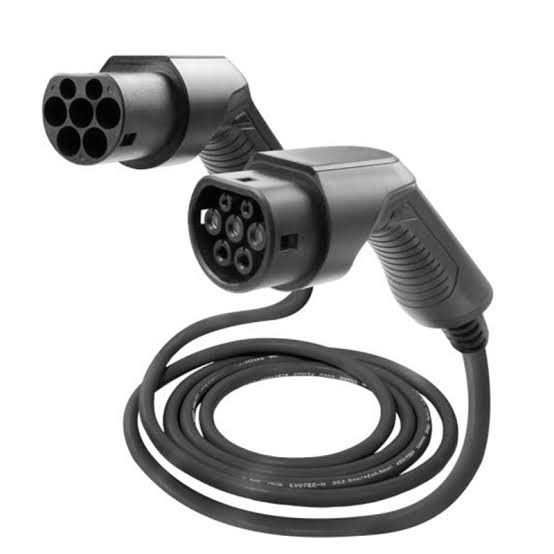
If you own an electric vehicle or are considering buying one, understanding how EV charging connectors work can make charging much easier. The connector is more than a plug that transfers electricity. It creates the physical and electrical connection between the vehicle and charging equipment while enabling communication that helps control the charging process.
Different electric vehicles use different connector standards depending on the vehicle, market, charging system, and model year. Some connectors are designed primarily for AC charging, while others support high-power DC fast charging. Adapters can also expand compatibility in certain situations, but they do not make every vehicle and charging station combination compatible.
This guide explains how EV charging connectors work, the role they play in charging, the major connector types, how AC and DC charging differ, and why connector compatibility matters when charging at home or using public charging stations.
What Is an EV Charging Connector?
An EV charging connector is the interface that connects an electric vehicle to charging equipment. It contains electrical contacts and communication components that allow energy to move from the charger to the vehicle under controlled conditions.
The connector is attached either directly to a charging cable or connected to a charging socket. When the driver plugs the connector into the vehicle, the charging system establishes communication before delivering power.
This process is important because an EV does not simply receive electricity as soon as a plug is inserted. The vehicle and charging equipment need to establish that the connection is secure and determine how charging should proceed.
The connector therefore plays an important role in convenience, compatibility, safety, and charging performance.
How EV Charging Connectors Work
Understanding how EV charging connectors work becomes easier when the charging process is considered step by step.
When an EV driver connects the charging cable, the connector makes contact with the vehicle’s charging port. Communication between the vehicle and charging equipment begins before significant charging power is delivered.
The system can determine whether the connection is properly established and whether charging can safely begin. Depending on the charging standard, the vehicle and charger exchange information about available power and charging requirements.
Once the charging session begins, electricity flows through the connector and into the vehicle’s charging system. With AC charging, the vehicle’s onboard charger converts alternating current into the direct current required by the battery. With DC fast charging, the conversion takes place within the charging equipment, allowing DC electricity to be supplied directly to the battery system.
The charging system continually manages the session rather than simply delivering a fixed amount of electricity. Charging power can change during the session depending on the vehicle, battery conditions, charger capabilities, and other factors.
When charging is complete or the session is stopped, the system terminates the flow of electricity before the connector is removed.
Why EV Charging Connectors Have Different Pins
The visible shape of an EV connector is only part of its design. Different pins or contacts serve different electrical and communication functions.
Power contacts carry electricity between the charging equipment and vehicle. Other contacts are used for communication and control functions.
This arrangement allows the vehicle and charger to communicate before and during charging. The system can establish that the connection is ready and manage the charging process according to the capabilities of the vehicle and charging equipment.
Different connector standards use different physical designs and communication systems. This is one reason why a charging connector designed for one standard cannot automatically be used with every EV.
AC Charging Connectors and How They Work
AC charging is commonly used for home charging, workplace charging, and many public charging stations.
With AC charging, electricity supplied by the charging equipment travels through the vehicle’s charging port to the onboard charger. The onboard charger converts the AC electricity into DC electricity that can be stored in the battery.
The charging connector provides the physical connection while the vehicle’s onboard charging system controls the conversion and charging process.
Common AC connector standards include J1772, Type 2, and NACS, depending on the vehicle and region.
AC charging is generally slower than DC fast charging, but it is well suited to situations where an EV remains parked for an extended period.
DC Fast Charging Connectors and How They Work
DC fast charging works differently because the power conversion occurs within the charging station rather than inside the vehicle’s onboard AC charger.
The charging station converts electricity into the appropriate DC form and delivers it through the charging connector directly to the vehicle’s battery system.
This arrangement allows much higher charging power than typical AC charging, although the actual charging rate depends on the vehicle and charger.
CCS, NACS, and CHAdeMO are examples of connector standards associated with DC fast charging.
DC charging is particularly useful for road trips and situations where an EV driver needs to add significant range during a relatively short stop.
The Most Common EV Charging Connectors
Several connector standards are important for EV drivers. Their availability varies by vehicle, geographic market, and charging network.
J1772 Connector
The J1772 connector, also known as SAE J1772 or Type 1, has been widely used for AC charging in North America.
It is associated with Level 1 and Level 2 charging and has been used by numerous non-Tesla electric vehicles and plug-in hybrid vehicles.
J1772 is primarily an AC charging connector. Vehicles that use J1772 for AC charging may have a separate connection arrangement for DC fast charging, such as a CCS configuration.
Understanding this distinction is important because seeing a J1772 port does not necessarily mean the vehicle can receive DC fast charging through that same connector.
CCS Connector
The Combined Charging System, or CCS, combines an AC charging interface with additional DC power contacts.
This design allows compatible vehicles to use the same vehicle inlet for both AC charging and DC fast charging.
CCS has been widely used in North America and Europe, although connector adoption is changing as manufacturers introduce newer charging configurations.
The CCS design demonstrates why connector shape matters. The upper portion provides the AC connection, while the additional lower contacts are used for DC fast charging.
NACS Connector
The North American Charging Standard, commonly abbreviated as NACS, is a compact connector design originally developed and used by Tesla.
Unlike the larger CCS arrangement, NACS uses a compact physical interface for both AC and DC charging.
NACS has become increasingly important in North America as more automakers and charging providers adopt or support the standard.
For EV drivers, the growing use of NACS means connector compatibility is an increasingly important consideration when choosing a vehicle, charging equipment, or public charging location.
Type 2 Connector
Type 2 is widely used for AC charging in Europe.
It supports AC charging and is commonly found at residential, workplace, and public charging locations.
Type 2 can support different AC charging configurations, including single-phase and three-phase charging, depending on the vehicle and electrical supply.
For European EV drivers, recognizing Type 2 is useful when selecting home charging equipment and identifying compatible public charging stations.
CHAdeMO Connector
CHAdeMO is a DC fast charging standard that was used extensively by earlier generations of electric vehicles.
It remains relevant for some existing vehicles and charging stations, although newer EVs and charging infrastructure increasingly use other connector standards.
Drivers with CHAdeMO-equipped vehicles should check station compatibility before beginning a trip because connector availability can vary significantly between charging locations.
Why Connector Compatibility Matters
Connector compatibility is one of the first things an EV driver should check before using a charging station.
A charging station may be capable of delivering high charging power, but that does not mean every EV can use it. The vehicle must have a compatible charging inlet or an approved adapter that supports the specific charging system.
Compatibility also involves more than physical fit. Communication protocols, charging capabilities, electrical requirements, and manufacturer support can affect whether a particular charging combination works.
This is why drivers should check their vehicle specifications and the charging station’s connector information before starting a charging session.
Does the Connector Determine Charging Speed?
The connector is an important part of the charging system, but it does not independently determine charging speed.
The maximum charging rate is influenced by the vehicle, battery, charger, electrical supply, battery temperature, and current state of charge.
For example, a vehicle may be connected to a powerful DC fast charger but accept less power than the charger’s maximum output. The vehicle’s charging system controls how much power it can safely receive.
Similarly, using a particular AC connector does not automatically mean the vehicle will charge at the maximum AC power available from the charging equipment.
The connector provides compatibility between the vehicle and charger, while the complete charging system determines actual performance.
How EV Charging Connectors Support Safety
Safety is another major reason connectors matter.
Before charging begins, the vehicle and charging equipment establish that the connection is properly made. The charging system can prevent or limit power delivery when the required conditions are not met.
Many charging systems also incorporate mechanisms that prevent the connector from being disconnected while power is actively flowing.
Electrical protection systems help detect certain faults, while charging equipment can monitor operating conditions during the session.
These features are part of a larger safety system involving the vehicle, charging equipment, electrical installation, and charging network.
Why Connector Standards Matter for EV Drivers
Connector standards create common technical requirements for vehicles and charging equipment.
Without standardized connectors, EV drivers could face significantly more compatibility problems between vehicles and charging stations.
Standardization allows automakers to design vehicles around recognized charging systems while charging providers can deploy equipment intended to serve compatible vehicles.
For drivers, this means connector standards provide a framework for determining whether a charging station can be used with a particular EV.
As the market evolves, greater adoption of common standards can make public charging easier to navigate.
Can EV Charging Adapters Solve Compatibility Problems?
Adapters can provide additional flexibility, but they should not be viewed as universal solutions.
An adapter changes the physical connection between a vehicle and charging cable. Whether the resulting combination works depends on the vehicle, charging standard, adapter design, charging equipment, and manufacturer support.
Some adapters are intended for AC charging, while others are designed for specific DC charging applications.
Drivers should use adapters that are specifically approved or supported for their intended vehicle and charging system. A connector that physically fits does not necessarily mean the charging system is electrically or digitally compatible.
How Connector Choice Affects Home Charging
Connector type is particularly important when purchasing a home EV charger.
The first consideration is the charging inlet on the vehicle. Drivers should then select charging equipment designed to work with that connector and the vehicle’s charging capabilities.
Home charging equipment also needs to be compatible with the property’s electrical system. Installation requirements can vary depending on the charging equipment and electrical configuration.
For drivers who expect to keep their vehicle for several years, considering connector availability and future vehicle compatibility can also be useful when selecting a home charging solution.
How Connector Choice Affects Public Charging
Public charging requires more planning because different locations can offer different connector types and charging speeds.
Before visiting a charging station, drivers should check whether the location provides a connector compatible with their vehicle. It is also useful to confirm the charging level and network requirements.
A station directory can make this process easier by allowing drivers to search for charging locations based on connector type, charging speed, network, city, state, or ZIP code.
Checking compatibility before arriving can save time, particularly during long-distance travel.
EV Charging Connectors and Road Trips
Connector knowledge becomes especially valuable when planning an EV road trip.
A driver may encounter several charging networks and different types of charging equipment during one journey. Not every station will necessarily support the same connector standard.
Planning charging stops around the vehicle’s compatible connectors helps reduce uncertainty. Drivers should also consider the vehicle’s maximum charging capability rather than choosing stations based solely on the highest advertised charger output.
As charging networks expand and connector standards become more widely supported, long-distance charging is becoming easier to plan. However, checking compatibility remains an important part of responsible trip preparation.
How EV Charging Connectors Are Changing
The EV charging industry continues to evolve, particularly in North America.
Automakers and charging providers have increasingly focused on connector compatibility and broader access to fast-charging networks. The growing adoption of NACS alongside existing CCS infrastructure is one example of how the connector landscape is changing.
In Europe, Type 2 and CCS remain important standards across the charging ecosystem.
For EV owners, the key takeaway is that connector technology is not static. Vehicle manufacturers, charging networks, and standards organizations continue working to improve charging interoperability and the overall charging experience.
Finding the Right EV Charging Connector
The easiest way to identify the correct connector is to start with the vehicle rather than the charging station.
Check the vehicle owner’s manual, manufacturer’s specifications, or charging port information to determine which connector your EV uses for AC and DC charging.
Once you know the connector type, you can search charging directories and charging apps for compatible stations. This can be particularly useful when looking for charging locations in a specific city, state, ZIP code, or along a planned route.
Understanding the connector before arriving at a station helps you avoid incompatible equipment and choose charging options that match your vehicle.
Why EV Charging Connectors Matter
EV charging connectors are a fundamental part of the electric vehicle charging experience. They provide the physical connection between the vehicle and charger while also supporting communication, power management, and safety functions.
Understanding how EV charging connectors work makes it easier to distinguish between AC and DC charging, identify compatible charging stations, understand connector standards, and choose suitable home charging equipment.
J1772, CCS, NACS, Type 2, and CHAdeMO each have different roles within the EV charging ecosystem. While connector standards continue to evolve, knowing which system your vehicle uses remains one of the most useful pieces of information for everyday EV ownership.
When searching for a public charging station, always verify the connector type, charging method, network requirements, and vehicle compatibility. With that information in hand, finding and using EV charging infrastructure becomes a much simpler part of driving electric.
No reviews yet — be the first to share your experience.