
How EV Chargers Communicate With Electric Vehicles
By Staff Writer · September 22, 2026
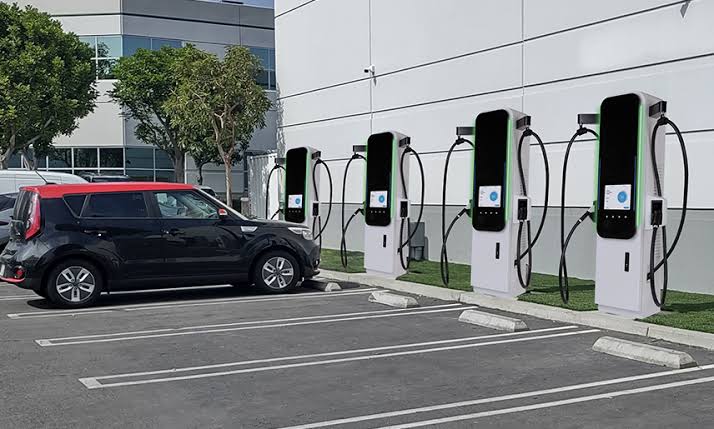
Charging an electric vehicle involves much more than plugging in a cable and transferring electricity. Before power begins flowing, the charger and vehicle exchange information to confirm that the connection is secure, determine how much power can be delivered, and continuously monitor the charging session. This communication is what makes modern EV charging both efficient and safe.
Understanding how EV chargers communicate with electric vehicles helps explain why charging speeds change, why sessions sometimes fail to start, and why public charging stations rely on both vehicle communication and network connectivity. Whether you’re charging at home with a Level 2 charger or using a high-power DC fast charger, communication plays a central role in every charging session.
This guide explains how EV charger communication works, how AC and DC charging differ, what happens during a charging session, and why communication errors can occur.
Why EV Charger Communication Matters
An EV charger cannot simply deliver maximum power as soon as the connector is inserted. Instead, the charger and vehicle first confirm that charging can proceed safely under the current conditions.
This communication helps protect the vehicle’s battery, charging equipment, and electrical system. It also allows the charging session to adapt as conditions change, such as when the battery temperature rises or the battery approaches a higher state of charge.
Without this continuous exchange of information, modern EV charging would be far less reliable and considerably less safe.
What Happens When You Plug In an EV?
The charging process begins as soon as the connector is properly inserted into the vehicle’s charging port.
The charger first detects that a vehicle has been connected. The vehicle then responds, allowing both systems to establish that a compatible charging session can begin. Before significant electrical power is delivered, both sides confirm that the connection is secure and that charging conditions are appropriate.
Once charging begins, communication continues throughout the session. The charger and vehicle exchange information as charging conditions change, helping regulate power delivery until charging ends.
The First Step: Detecting the Connection
The initial connection is an important part of the charging process.
When the connector is inserted correctly, the charging system confirms that the vehicle is physically connected. Many EVs also lock the connector during charging to help prevent accidental disconnection.
If the connector is not fully seated or fails to lock properly, charging may not begin at all. This is why a simple connection issue can sometimes produce symptoms that appear more complicated than they actually are.
How AC EV Charging Communication Works
AC charging is commonly used at homes, workplaces, hotels, shopping centers, and other locations where vehicles remain parked for longer periods.
During AC charging, the charging equipment supplies alternating current to the vehicle. The vehicle’s onboard charger then converts that electricity into the form needed for battery charging.
Communication during AC charging helps determine how much current can safely be supplied. The vehicle decides how much power it can accept within the limits of both the charger and the vehicle’s own charging system.
This is why connecting an EV to a higher-powered AC charger does not necessarily increase charging speed beyond the vehicle’s maximum AC charging capability.
How DC Fast Charging Communication Works
DC fast charging involves more extensive communication between the charger and vehicle.
Unlike AC charging, the charger supplies direct current to the vehicle’s battery system. Because charging power can be much higher, the charger and vehicle continue exchanging information throughout the session.
The vehicle’s battery management system plays a major role during DC charging. It helps determine how much power the battery can safely accept at any given moment.
As the battery fills or temperatures change, charging power may increase or decrease accordingly.
The Battery Management System’s Role
The battery management system is one of the most important components involved in EV charging.
It continuously monitors battery conditions while charging takes place. Instead of allowing unrestricted charging, it helps regulate how much power the battery receives under different conditions.
For example, charging behavior can change as the battery approaches a higher state of charge or when battery temperatures become unusually hot or cold.
This dynamic adjustment is one reason charging speeds are not constant throughout a session.
Why Charging Speed Changes During a Session
Many drivers expect charging to continue at one constant speed, but that is not how most EVs operate.
Charging speed often changes because the vehicle and charger are continuously communicating. The battery’s state of charge, temperature, and operating conditions influence how much power is delivered.
During DC fast charging, this changing power level is particularly noticeable. Charging may begin quickly before gradually slowing as the battery approaches its upper charging range.
This behavior is generally part of normal charging operation rather than evidence of a faulty charger.
What Information Do the Vehicle and Charger Exchange?
Throughout the charging session, the vehicle and charger exchange information that helps manage charging safely.
They communicate whether the connection remains secure, how much charging power is appropriate, and whether charging should continue under the current conditions.
Public charging stations may also communicate with network systems that manage payment, authentication, monitoring, and session information.
Together, these communication processes allow charging to adapt as conditions change without requiring the driver to intervene.
Why Public Chargers Also Communicate With Networks
Public charging involves more than communication between the vehicle and charger.
Many charging stations also communicate with a backend network that manages account authentication, payment processing, station monitoring, diagnostics, and charging-session management.
This explains why a charger can appear physically operational while still being unable to start charging if the network connection is unavailable.
In these situations, the charger may display a communication or authorization error even though electrical power is present.
How Communication Keeps Charging Safe
Safety is built into the charging process through continuous communication.
Rather than delivering electricity without verification, the charger and vehicle repeatedly confirm that charging conditions remain appropriate.
If communication is interrupted, the charging system can reduce power or stop charging altogether. While this may seem inconvenient, it is an important protective feature.
Modern EV charging systems are designed to prioritize safe operation over uninterrupted charging.
Why EV Chargers Reduce Charging Speed
Communication also explains why charging speed sometimes decreases unexpectedly.
The charger is often responding to information received from the vehicle rather than making an independent decision.
For example, the vehicle may reduce charging power because of battery temperature, battery state of charge, or charging-system management.
Similarly, some charging stations adjust power because of available electrical capacity or shared charging resources.
Understanding this interaction helps drivers distinguish between normal charging behavior and a potential equipment problem.
What Happens if Communication Fails?
If communication breaks down, charging may not start or may stop unexpectedly.
The vehicle and charger rely on continued communication throughout the session. If that exchange cannot continue, the charging system may interrupt power rather than continue operating without confirmation.
Communication failures can involve the connector, charging cable, charger hardware, vehicle systems, software, or public charging networks.
The exact error message shown by the vehicle or charger can provide useful clues about the source of the problem.
Common Causes of EV Communication Errors
Communication problems do not always indicate a serious vehicle fault.
A connector that is not fully inserted, a damaged cable, dirt or debris around the charging port, software compatibility issues, charger hardware problems, or network interruptions can all interfere with communication.
Testing another compatible charger is often one of the most useful troubleshooting steps because it helps determine whether the issue follows the vehicle or remains with one charging location.
Why Charging Stops Mid-Session
A charging session that begins normally can still stop if communication is interrupted.
The charger and vehicle continue exchanging information while charging is underway. If the connection becomes unstable or another condition requires charging to stop, the system may pause or terminate the session.
Possible causes include cable movement, connector problems, charger faults, network interruptions, electrical issues, or changes in battery conditions.
Checking both the vehicle and charger displays after the interruption can provide useful information.
How Smart Chargers Use Communication
Many home chargers include smart features that rely on communication beyond the charging cable itself.
These chargers may communicate with mobile apps, home energy-management systems, or internet-connected services that allow drivers to schedule charging, monitor energy use, or receive notifications.
Some smart chargers can also adjust charging based on household electricity demand, helping manage available electrical capacity.
These features operate alongside the communication already taking place between the charger and vehicle.
Why Software Updates Matter
Both vehicles and chargers rely on software.
Manufacturers periodically release updates that improve charging reliability, compatibility, security, and communication behavior.
If charging problems begin after a software change—or if compatibility issues are reported between particular vehicles and chargers—checking for available updates can be worthwhile.
Software updates should always be performed according to the manufacturer’s instructions.
Home Charging vs. Public Charging Communication
The communication process shares many similarities across home and public charging, but public charging introduces additional systems.
At home, communication primarily occurs between the vehicle and charger, with optional smart features connecting the charger to a home network or mobile app.
Public charging adds network communication for authentication, payment processing, station monitoring, and remote management.
This additional communication layer explains why public charging sometimes fails because of network issues even when the physical charger appears ready.
How Connector Types Affect Communication
Different charging connectors support different charging methods, but communication remains essential regardless of connector type.
The connector must establish both a secure physical connection and the conditions needed for charging to begin.
Drivers generally do not need to understand the technical details of every connector standard, but they should verify that the connector is compatible with their vehicle before attempting to charge.
Using approved equipment designed for the intended charging application helps maintain reliable communication.
What Drivers Can Check When Communication Fails
When charging fails, several simple checks can help identify the likely cause.
First, make sure the connector is fully inserted and properly locked. Then inspect the connector and charging port for obvious damage or contamination.
Next, check the vehicle and charger displays for error messages. If possible, try another compatible charging station to determine whether the problem follows the vehicle or remains with one charger.
Avoid repeatedly reconnecting equipment that shows signs of overheating, electrical damage, smoke, sparks, or melted components.
Why Understanding Communication Helps EV Owners
Many charging behaviors that seem unusual become easier to understand once you know how chargers and vehicles communicate.
A charging session that slows near a higher battery percentage, pauses because of temperature conditions, or refuses to start after a communication error often reflects how the charging system protects the vehicle and charging equipment.
Instead of assuming every interruption indicates a serious fault, drivers can use the communication process as a guide for troubleshooting.
Knowing whether the problem follows the vehicle, one connector, or one charging station can also make it easier to decide whether to try another charger or seek professional assistance.
Finding Compatible Charging Options
Communication works best when the vehicle and charging equipment are compatible from the start.
An EV charging directory can help drivers find charging stations by city, state, ZIP code, charging type, connector type, and charging network. This makes it easier to identify compatible charging options before arriving at a station.
For longer trips, having an alternative charging location can also reduce disruption if one station experiences communication or network problems.
Checking station information before traveling can make charging more predictable.
Understanding the Conversation Behind Every Charge
Every EV charging session involves an ongoing conversation between the vehicle and the charging equipment. From confirming that the connector is securely attached to adjusting charging power as battery conditions change, communication makes modern EV charging safer, smarter, and more efficient.
When charging problems occur, understanding this process helps explain why issues can originate from the vehicle, charger, connector, or charging network rather than the battery alone. By recognizing how these systems work together and using compatible charging equipment, drivers can troubleshoot more effectively and enjoy a more reliable charging experience.
No reviews yet — be the first to share your experience.