
EV Charging Network Memberships: Are They Worth It?
By Staff Writer · October 8, 2026
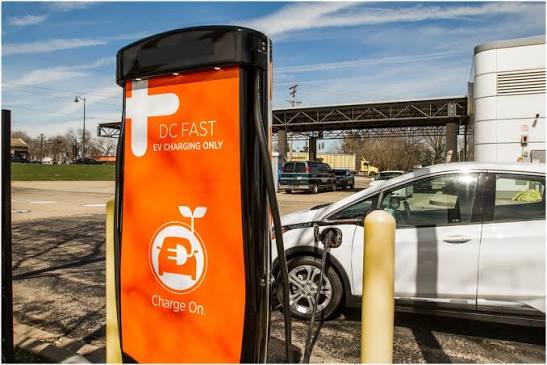
For drivers who regularly use public charging, EV charging network memberships can reduce the cost of charging and provide additional benefits. However, a monthly subscription is not automatically worthwhile. The value depends on how often you charge, which network you use, the rates available at your preferred stations, and how much a membership reduces those costs.
In 2026, major charging providers use different approaches. EVgo offers multiple paid plans, Electrify America offers Pass+, and Tesla offers a Supercharging Membership for eligible non-Tesla EVs. ChargePoint takes a different approach because many of its stations are independently owned and priced individually.
Understanding these differences can help you determine whether paying for a charging membership will actually save money.
What Is an EV Charging Network Membership?
An EV charging network membership is a subscription or account plan that can provide lower charging rates or other benefits when using a particular charging network.
Memberships are generally designed for drivers who use public charging frequently. Instead of paying the network’s standard rate for every session, a member may pay a monthly fee in exchange for discounted charging rates or reduced session fees.
The important point is that membership benefits vary by network. Some plans reduce the energy price, some eliminate session fees, and others may provide additional features such as reservations or access to member pricing.
A free charging-network account should not automatically be confused with a paid membership. Some networks allow drivers to create an account at no cost while reserving paid subscriptions for customers who want discounted rates.
How Do EV Charging Memberships Save Money?
The basic idea is simple: the monthly savings from discounted charging must exceed the membership fee.
For example, suppose a membership costs $10 per month and reduces your charging costs by $5 per session. You would need at least three qualifying charging sessions in a month to recover the subscription cost and begin saving money.
However, actual savings are usually more complicated because charging rates can vary by station, time of day, vehicle, and plan.
EVgo, for example, currently lists its Plus plan at $6.99 per month and PlusMax at $12.99 per month. EVgo says Plus can save up to 15% and PlusMax up to 30% compared with its standard rates with session fees, although actual savings depend on location, time of use, frequency, and charging-session length.
That makes your actual monthly charging behavior more important than the advertised maximum percentage.
EVgo Membership: Is It Worth It?
EVgo provides one of the clearest examples of a tiered public-charging membership model.
Its current plans include Pay As You Go, EVgo Plus, and EVgo PlusMax. Pay As You Go has no monthly subscription but includes a $0.99 session fee. Plus costs $6.99 per month and has no session fees, while PlusMax costs $12.99 per month and also has no session fees. EVgo identifies Plus as suitable for drivers charging roughly three to five times per month and PlusMax for drivers charging six or more times per month.
For an occasional EVgo user, paying a monthly fee may not make sense. A driver who frequently relies on EVgo DC fast chargers, however, has more opportunities to recover the subscription cost through lower rates and waived session fees.
EVgo also uses location- and time-dependent pricing at applicable stations, so the best way to evaluate a plan is to compare the member and non-member prices at the stations you actually use.
Is Electrify America Pass+ Worth It?
Electrify America offers a Pass+ membership designed to reduce public DC fast-charging costs.
As of 2026, Pass+ costs $7 per month, and Electrify America says members save about 25% on charging. The company also offers time-of-use pricing at selected stations, meaning charging during certain off-peak periods can produce additional savings.
For drivers who regularly use Electrify America, the combination of a membership discount and off-peak pricing can make Pass+ more valuable.
For someone who only uses an Electrify America station occasionally, the subscription may be harder to justify. The most useful calculation is to compare the expected monthly savings from your normal charging sessions with the $7 subscription cost.
Because Electrify America pricing varies by location, plan, and energy delivered, drivers should check the specific station’s current pricing before deciding.
Does Tesla Offer a Charging Membership?
Tesla’s membership model is different because Tesla owners do not need a Supercharging Membership for their Tesla vehicles.
Tesla offers an optional Supercharging Membership for eligible non-Tesla EVs using the Tesla app. Tesla states that the membership allows those vehicles to access Superchargers at the same charging price as Tesla vehicle owners at applicable locations. A Tesla owner who also operates a non-Tesla EV may therefore find the membership useful for the second vehicle.
Not every Supercharger is available to non-Tesla vehicles, and pricing can vary by location. Tesla displays applicable pricing in its app. Some sites also use peak, off-peak, or live occupancy-based pricing.
Because Tesla does not publish one universal Supercharger price, drivers should compare the member and non-member prices at the locations they expect to use before subscribing.
Does ChargePoint Have a Paid Membership?
ChargePoint works differently from networks that offer a traditional monthly charging subscription.
A free ChargePoint account can be used to access charging, while prices at individual stations are generally determined by the station owner or roaming partner. Depending on the location, a station can charge by kWh, time, flat fee, minimum or maximum fee, or additional idle or overnight fees.
ChargePoint also applies service fees to certain paid sessions. As of June 2026, ChargePoint lists lower service fees for account holders than for guests at applicable sessions.
This means drivers should not assume they need a paid ChargePoint membership to get good pricing. Instead, the important step is to check the individual station’s pricing in the ChargePoint app.
Who Benefits Most From an EV Charging Membership?
Memberships tend to make the most sense for drivers who use public charging frequently and repeatedly use the same network.
They can be particularly useful for apartment residents without convenient home charging, drivers who frequently travel long distances, rideshare drivers, and EV owners who regularly depend on DC fast charging.
A membership is less likely to provide meaningful savings for someone who charges primarily at home and uses public chargers only a few times a year.
The key question is not simply, “Does this network offer a membership?” It is, “How much will I realistically spend on this network each month, and how much will the membership reduce that cost?”
When Is an EV Charging Membership Not Worth It?
A paid membership may not be worthwhile if you rarely use the network or frequently switch between different charging providers.
For example, someone who charges at home most of the time and only uses public fast charging during occasional road trips may benefit more from pay-as-you-go charging than maintaining several monthly subscriptions.
Multiple memberships can also become counterproductive. Paying monthly fees to several networks can erase the savings achieved from lower charging rates.
If your driving patterns change from month to month, a flexible approach may be better. Some drivers may subscribe during months with extensive road travel and cancel when public charging needs decline, provided the network’s terms allow it.
Should You Join More Than One EV Charging Network?
Usually, there is no need to maintain multiple paid memberships permanently.
It can still be useful to have free accounts with several networks. This gives you access to station maps, pricing information, availability, payment options, and charging histories without committing to multiple recurring fees.
For frequent road trips, you can then choose a paid membership when a particular network is likely to receive enough charging activity to justify the cost.
This approach also provides flexibility when a preferred station is unavailable or your route requires a different charging network.
How Can You Calculate Your Break-Even Point?
The simplest way to evaluate a membership is to calculate how much you would save per charging session.
The basic formula is:
Break-even sessions = monthly membership fee ÷ average savings per session
For example, if a plan costs $8 per month and you save an average of $4 per qualifying session, you would need two sessions to recover the membership fee.
But this calculation should use your actual expected savings rather than the network’s maximum advertised discount. A “save up to” percentage does not guarantee that every charging session will receive that level of savings.
Location-specific pricing, time-of-use rates, session fees, and charging volume can all change the result.
What Should You Compare Before Joining?
Before subscribing, compare the membership fee with the pricing you would actually pay without the membership.
Check the charging rates at your regular stations, whether the membership applies to those stations, whether session fees are waived, and whether time-of-use pricing changes the calculation.
Also consider whether the network has enough compatible chargers along your regular routes. A membership is less useful if the discounted network is rarely available when you need it.
A practical checklist is to compare:
- Monthly membership cost
- Member versus non-member charging rate
- Session, idle, or reservation fees
- Number of charging sessions you expect each month
- Availability and location of compatible stations
- Whether discounts apply to the chargers you actually use
- Cancellation or renewal terms
Are EV Charging Memberships Better Than Charging at Home?
For most drivers with convenient home charging, a public charging membership is not a substitute for home charging.
Home charging can be more convenient and may cost less per kWh, depending on the local electricity rate. Public DC fast charging is primarily valuable when drivers need faster charging, cannot charge at home, or are traveling.
A membership can reduce the cost of public charging, but it does not necessarily make public charging cheaper than home charging.
The best strategy for many EV owners is to use home charging for routine energy needs and public charging networks strategically for longer trips and situations where home charging is unavailable.
How Can Drivers Find the Best Membership for Their EV?
Start with your actual charging habits rather than the membership’s advertised discount.
Look at the charging networks available near your home, workplace, regular destinations, and travel routes. Then identify how frequently you use each network and compare its member pricing with its standard pricing.
An EV charging directory can also help you discover stations by network, city, state, ZIP code, connector type, and charging speed. This can be useful when determining whether a particular network has enough convenient locations to justify a subscription.
Remember that the cheapest membership is not necessarily the best one. A slightly more expensive plan can provide better value if it gives you access to more convenient stations and lower prices along your regular routes.
Are EV Charging Network Memberships Worth It in 2026?
For frequent public-charging users, the answer can be yes. EVgo’s tiered plans and Electrify America’s Pass+ demonstrate how monthly subscriptions can reduce costs for drivers who regularly use those networks, while Tesla’s Supercharging Membership can make sense for eligible non-Tesla EV drivers who frequently use Tesla Superchargers.
For occasional users, pay-as-you-go charging is often simpler and can avoid unnecessary recurring fees.
The most important consideration is your actual charging pattern. Calculate your expected monthly usage, compare member and non-member prices at the stations you use, and account for session and other fees before subscribing.
Frequently Asked Questions
Are EV charging network memberships worth it?
They can be worthwhile if you regularly use a particular charging network and the resulting savings exceed the monthly membership cost. Occasional public-charging users may be better off paying as they go.
Which EV charging network has the best membership?
There is no single best membership for every driver. EVgo, Electrify America, and Tesla use different membership structures, so the best option depends on your preferred stations, charging frequency, and local pricing.
How much can an EV charging membership save?
Savings vary by network, location, charging frequency, and plan. EVgo currently advertises savings of up to 15% with Plus and up to 30% with PlusMax, while Electrify America says Pass+ members save about 25% on charging.
Do I need a membership to use a public EV charger?
No. Many public chargers support pay-as-you-go charging. Some networks offer paid memberships as an optional way to obtain lower rates or other benefits.
Does Tesla require a membership to use Superchargers?
Tesla vehicles do not require a Supercharging Membership. Eligible non-Tesla EVs can use participating Superchargers without a membership at pay-as-you-go rates, while Tesla's optional membership can provide lower pricing for eligible non-Tesla vehicles.
Does ChargePoint have a monthly charging membership?
ChargePoint offers a free account rather than requiring a traditional paid monthly membership. Pricing is generally determined by individual station owners or roaming partners, so drivers should check the specific station before charging.
Can I cancel an EV charging membership?
Cancellation policies depend on the network and plan. Before subscribing, check the provider's current terms for renewal, cancellation, and billing dates.
How do I know when a charging membership will save me money?
Calculate your expected monthly charging costs without the membership, then compare them with the member rate plus the monthly subscription fee. If the membership produces consistent savings based on your normal charging behavior, it may be worthwhile.
No reviews yet — be the first to share your experience.