
EV Charger Installation Permits: Requirements and Regulations
By Staff Writer · October 9, 2026
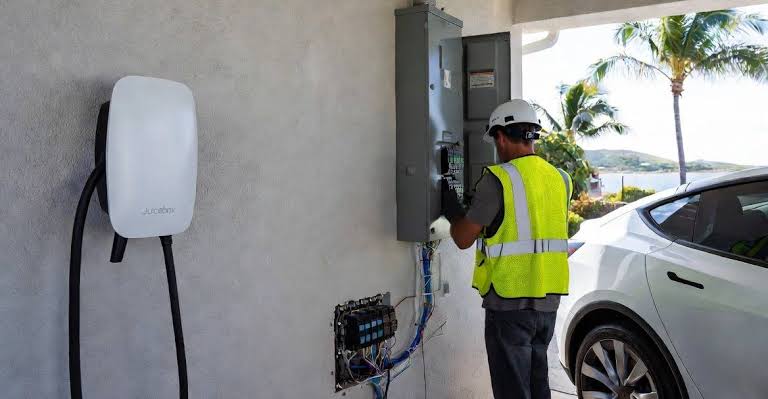
Installing an electric vehicle (EV) charger involves more than selecting equipment and connecting it to a power supply. Depending on the property, electrical work, and local regulations, you may need EV charger installation permits before construction begins. These requirements help ensure charging equipment is installed safely and complies with applicable electrical and building codes.
Homeowners may need an electrical permit and inspection, while commercial installations can require additional reviews covering construction, accessibility, parking, and utility capacity. Requirements vary by jurisdiction, so an installation that is straightforward in one location may involve several approvals in another.
This guide explains when permits are typically required, which regulations may apply, how to obtain approval, and what homeowners, landlords, contractors, and businesses should consider before installing an EV charging station.
When Do You Need a Permit to Install an EV Charger?
Permit requirements depend on local regulations and the scope of the installation. Installing an EV charger may involve a dedicated electrical circuit, new wiring, an electrical panel upgrade, or changes to the property’s electrical service.
Home EV charger installations
Homeowners installing Level 2 chargers should check local electrical permit requirements before work begins. These chargers generally use a 240-volt supply and require an appropriately designed circuit.
A permit or inspection may be necessary when installing a new circuit, adding a breaker, upgrading an electrical panel, running new wiring, or mounting charging equipment outdoors.
These are common situations to verify with the local authority, not universal requirements. Some jurisdictions offer simplified procedures for residential installations, while others require permits for most new EV charging circuits.
Even when using an existing outlet, homeowners should confirm that the circuit, outlet rating, and equipment are suitable for continuous charging.
Commercial EV charging installations
Businesses installing chargers for employees, customers, tenants, or the public may face additional requirements.
Depending on the project, approvals may cover electrical work, building modifications, parking layouts, zoning, accessibility, excavation, and utility upgrades.
Installing several Level 2 chargers in an existing parking lot may involve fewer construction approvals than developing a new DC fast-charging site with substantial electrical infrastructure.
Businesses should confirm the applicable requirements before finalizing their site plans or purchasing equipment.
Apartment and condominium installations
Multifamily charging projects can involve shared electrical systems, parking rights, and property ownership restrictions.
Tenants and condominium owners may need authorization from a landlord, property manager, or homeowners association before modifying electrical infrastructure. Local laws may provide installation rights subject to reasonable safety and construction conditions.
Property managers should assess electrical capacity, parking arrangements, and whether individual chargers or shared charging facilities offer the most practical solution.
Which Permits and Approvals May Be Required?
There is no single EV charger permit that covers every installation. Depending on the project, several approvals may apply.
Electrical permits
Electrical permits are commonly central to EV charger installations involving new circuits or changes to existing electrical infrastructure.
Reviews may address wiring, grounding, circuit protection, equipment ratings, and electrical load calculations. A qualified electrician can help determine which requirements apply and prepare the necessary documentation.
Building and zoning permits
Building permits may be required when projects involve structural modifications, equipment foundations, charging canopies, or other regulated construction.
Commercial projects may also require zoning or planning approval to verify that charging facilities are permitted at the proposed location. Excavation, drainage changes, signage, and work affecting sidewalks or public roads may trigger additional approvals.
Utility approvals
EV charging increases electricity demand, so the existing electrical service must be assessed before installation.
Utility coordination may be necessary for a service upgrade, new meter, transformer work, or other changes to the power supply. Utility approval is separate from local permitting and does not automatically replace an electrical permit.
For larger projects, engaging the utility early can help identify capacity constraints, infrastructure requirements, and potential delays.
Accessibility and fire-safety requirements
Public and commercial installations may need to address accessible parking, equipment positioning, cable management, emergency access, and signage.
Applicable requirements depend on the jurisdiction, property type, and project design. Addressing these considerations during planning can reduce the need for expensive modifications later.
Which Electrical Codes and Regulations Apply?
EV charger installations must comply with the electrical and building regulations adopted by the relevant authority.
National Electrical Code requirements
In the United States, the National Electrical Code (NEC), published by the National Fire Protection Association, provides important electrical safety requirements. Article 625 addresses electric vehicle power transfer systems.
Depending on the locally adopted edition, requirements may cover circuit sizing, grounding, overcurrent protection, wiring methods, and charging equipment.
The applicable code edition and local amendments should be confirmed with the authority having jurisdiction. Installers must also follow equipment ratings and manufacturer instructions.
State and local regulations
States, counties, and cities may have different permitting procedures, inspection rules, and EV-readiness requirements for new buildings or major renovations.
The U.S. Department of Energy’s Alternative Fuels Data Center Laws and Incentives Database is a useful starting point for researching EV-related laws and incentives. For installation requirements, consult the local permitting authority directly.
How to Obtain an EV Charger Installation Permit
The process varies by location, but the following steps provide a practical starting point.
Step 1: Contact the local permitting office
Ask whether your project requires electrical, building, zoning, or other permits. Explain whether the installation is residential, commercial, or multifamily, and describe the planned electrical work.
Step 2: Arrange an electrical assessment
Have a qualified electrician evaluate the electrical panel, service capacity, proposed circuit, and wiring route. Determine whether the project needs a panel upgrade, service upgrade, or load-management system.
Step 3: Prepare the application
Depending on local requirements, you may need the property address, charger specifications, electrical load calculations, circuit details, equipment documentation, and a site plan.
Commercial projects may require more detailed drawings covering parking layouts, equipment locations, and construction work.
Step 4: Submit the application and obtain approval
Complete the application, pay applicable fees, and confirm which approvals must be issued before work begins. Submitting an application does not necessarily authorize construction.
Step 5: Complete the installation and inspection
Once approved, the installer can perform the permitted work. The local authority may inspect wiring, circuit protection, equipment connections, and other aspects of the installation.
Correct any deficiencies identified during inspection and obtain final approval where required.
Step 6: Keep the documentation
Retain permits, inspection records, equipment information, and installation documentation. These records can help with future maintenance, property transactions, warranty questions, and additional electrical work.
How Much Do EV Charger Installation Permits Cost?
Permit fees depend on the location, installation type, and complexity of the project. A residential electrical permit may cost less than a commercial project requiring multiple permits, plan reviews, and inspections.
Potential expenses include electrical permit fees, building permit charges, inspection costs, engineering documentation, and utility-related application fees.
These expenses are separate from charger equipment, labor, wiring, construction, and electrical upgrades.
For an accurate estimate, contact your local permitting authority and ask your installer for an itemized project budget. Avoid relying on a general national price because local fee schedules and project requirements vary.
How Long Does the Permitting Process Take?
Approval times depend on the local authority’s workload, application completeness, and project complexity.
Straightforward residential installations may follow a relatively simple process. Commercial charging sites requiring utility upgrades, construction approvals, or detailed engineering reviews can take considerably longer.
Common causes of delays include incomplete applications, missing electrical calculations, design changes, utility coordination, and failed inspections.
To reduce delays, confirm requirements early, hire a qualified installer, submit complete documentation, and coordinate separate approvals before construction begins.
Common EV Charger Permitting Mistakes to Avoid
Property owners can prevent unnecessary costs by checking requirements before purchasing equipment or starting work.
Common mistakes include assuming that small chargers are automatically exempt from permits, overlooking electrical panel capacity, and failing to coordinate utility upgrades.
Another frequent problem is assuming that the installer will handle every permit and inspection without confirming responsibilities in the contract.
For commercial projects, overlooking accessibility, parking layouts, or future expansion can also result in costly design changes.
Treat permitting as part of the initial project plan rather than an administrative task to address after installation.
Plan Your EV Charger Installation With Confidence
EV charger installation permits help ensure charging equipment and its supporting electrical infrastructure meet applicable safety and construction requirements. Homeowners should verify circuit and inspection requirements, while businesses and property managers should consider additional site, accessibility, zoning, and utility approvals.
Working with a qualified electrician and contacting the relevant permitting authority early can help prevent delays and unexpected costs. Once your installation requirements are clear, you can also explore an EV charging station directory to identify public charging locations and networks that complement your home or business charging plans.
Frequently Asked Questions
Do I need a permit to install a Level 2 EV charger at home?
A permit is commonly required for new electrical circuits or other regulated electrical work, but requirements vary by jurisdiction. Check with your local permitting office before installation.
Can I install an EV charger without an electrician?
Some jurisdictions allow homeowners to perform certain electrical work, while others require licensed contractors. All work must comply with applicable codes and inspection requirements.
Do I need a permit to upgrade my electrical panel?
Electrical panel upgrades generally require permits or approval under local regulations. Utility coordination may also be necessary if the electrical service must be changed.
Are permits required for commercial EV chargers?
Commercial installations commonly require electrical permits and may need building, zoning, site development, or accessibility approvals. Requirements depend on the project and location.
Who obtains the EV charger installation permit?
The property owner or electrical contractor may handle the application, depending on local rules and their agreement. Confirm who is responsible for permits, inspections, and final approval before work begins.
Can I install an EV charger in an apartment or condominium?
Yes, in many cases, but property authorization, electrical capacity, parking arrangements, and permits may need to be addressed first. Local laws and property rules determine the applicable conditions.
What happens if I install an EV charger without a required permit?
Unpermitted work may result in enforcement action, additional inspections, correction requirements, and extra expenses. Contact the local authority to determine how to bring the installation into compliance.
Where can I check EV charger permit requirements?
Contact your local building or electrical permitting department and check applicable state regulations and utility requirements. In the United States, the Alternative Fuels Data Center's laws database provides additional background on EV-related regulations.
No reviews yet — be the first to share your experience.