
EV Battery Health: How Charging Habits Affect Battery Life
By Staff Writer · September 22, 2026
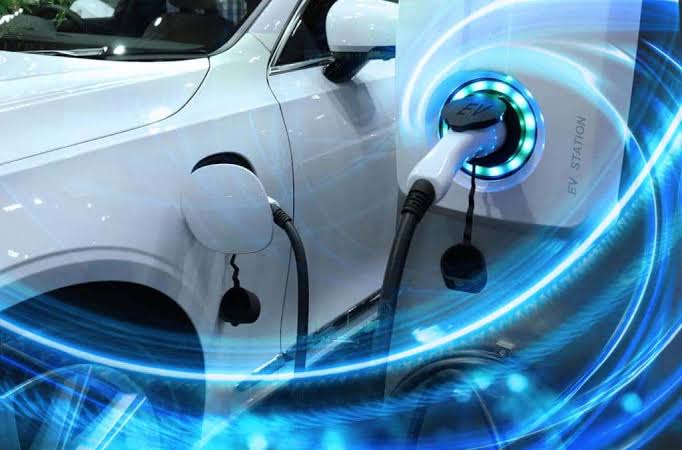
Electric vehicle batteries are designed to last for years, but the way you charge your EV can influence how the battery performs over time. While modern battery management systems protect against many forms of excessive wear, everyday charging habits still play a role in long-term battery health.
Understanding how EV battery health changes with regular use helps drivers make practical charging decisions without overcomplicating ownership. Simple habits such as choosing the right charging method, managing charge levels, and considering temperature conditions can help reduce unnecessary battery stress while keeping your vehicle ready for daily driving.
This guide explains how charging habits affect battery life, what causes battery degradation, and which practices can help you get the most from your electric vehicle.
What Is EV Battery Health?
EV battery health refers to the condition of an electric vehicle’s battery compared to when it was new. As lithium-ion batteries age, they gradually lose a small amount of their original capacity. This natural process is known as battery degradation.
Battery health affects several aspects of vehicle performance, including driving range, charging behavior, and energy efficiency. A battery with higher remaining capacity can typically store more usable energy than one that has experienced more degradation.
The good news is that modern EV batteries are engineered for long-term use. Manufacturers also use advanced battery management systems to monitor temperature, voltage, and charging conditions, helping protect the battery throughout its life.
How EV Batteries Naturally Age
Battery aging happens in two primary ways: calendar aging and cycle aging.
Calendar aging occurs simply because time passes. Even a vehicle that is driven infrequently experiences gradual chemical changes inside the battery.
Cycle aging happens as the battery is repeatedly charged and discharged. Every charging cycle contributes slightly to long-term wear, although normal daily use is already considered in modern battery design.
Most drivers do not need to worry about every individual charging session. Instead, maintaining consistent charging habits over months and years has a greater impact than trying to optimize every charge.
How Charging Habits Affect Battery Life
Charging habits influence battery health because they affect the conditions under which the battery operates.
Several factors can create additional battery stress, including frequent exposure to very high charge levels, extremely low charge levels, high temperatures during charging, and repeated high-power charging when slower charging would be practical.
These factors do not necessarily cause immediate damage. Instead, they can contribute to gradual battery aging over time.
The goal is not to eliminate battery wear entirely, because that is impossible with lithium-ion technology. Instead, good charging habits help reduce unnecessary stress while keeping charging convenient.
Why Charging to 100% Is Not Always Necessary
One of the most common questions EV owners ask is whether they should charge to 100%.
Charging to full capacity is not inherently harmful. Many manufacturers allow or recommend it when maximum driving range is needed. However, for everyday driving, some manufacturers recommend using a lower daily charging limit, depending on the battery chemistry and vehicle design.
If your daily commute only uses part of the battery, charging to a manufacturer-recommended everyday limit may provide plenty of range while reducing the amount of time the battery remains at a very high state of charge.
The important point is to follow your vehicle’s specific recommendations rather than assuming every EV should use the same charging percentage.
Avoid Leaving the Battery at Extreme Charge Levels
The amount of time a battery spends at very high or very low charge levels can matter more than briefly reaching those levels.
For example, charging to full capacity before a road trip is perfectly reasonable if you need the additional range. The same battery does not necessarily need to remain fully charged for days while parked.
Similarly, allowing the battery to become nearly empty occasionally is not usually a problem, but routinely operating at extremely low charge levels can reduce flexibility and make charging less convenient.
A balanced charging routine that avoids unnecessary prolonged exposure to battery extremes is generally more practical for long-term ownership.
Level 2 Charging for Everyday Use
Level 2 charging is one of the most popular charging methods for home, workplace, and destination charging.
Compared with basic household charging, Level 2 charging provides more power while remaining suitable for overnight charging sessions. This makes it convenient for drivers who want to recharge gradually while the vehicle is parked.
Many EVs also support scheduled charging, allowing owners to choose when charging begins or when the vehicle should be ready for departure.
Level 2 charging is often a practical choice for everyday driving because it balances convenience with the vehicle’s normal charging needs.
When to Use DC Fast Charging
DC fast charging plays an essential role in long-distance EV travel.
It allows compatible vehicles to add significant range much faster than Level 2 charging, making it especially useful during road trips.
Modern EVs are designed to manage fast charging automatically. The battery management system adjusts charging power based on battery temperature, state of charge, and other operating conditions.
However, because DC fast charging creates more demanding thermal conditions than lower-power charging, many drivers prefer to rely on Level 2 charging for routine charging whenever it is practical and reserve fast charging for situations where charging speed matters most.
Why Charging Slows Down Near Full Capacity
Many new EV owners notice that charging becomes slower as the battery fills.
This is a normal part of lithium-ion battery operation. When the battery is at a lower state of charge, it can often accept higher charging power. As it approaches full capacity, the vehicle gradually reduces charging power to help manage battery conditions.
This is particularly noticeable during DC fast charging, where the final portion of charging can take significantly longer than the earlier part of the session.
Understanding this charging behavior can help drivers plan more efficient charging stops during longer trips.
Temperature Plays a Major Role
Temperature is one of the biggest factors affecting EV battery performance.
Very hot weather can increase battery stress during charging, while very cold weather can temporarily reduce charging speed and available driving range.
Modern EVs use thermal-management systems to heat or cool the battery when necessary. Some vehicles also include battery preconditioning, which prepares the battery before arriving at a fast charger.
Reduced charging speed during extremely hot or cold conditions is often part of the vehicle’s normal battery protection strategy rather than a sign that something is wrong.
Let Your Battery Management System Do Its Job
Every modern electric vehicle includes a battery management system that continuously monitors battery conditions.
This system helps regulate charging power, control battery temperature, balance individual battery cells, and protect the battery during both charging and driving.
Rather than trying to manually control every aspect of battery charging, drivers can usually rely on these built-in protections while following the manufacturer’s recommendations for everyday charging.
Many vehicles also provide useful charging features such as charge limits, scheduled charging, departure timers, and battery preconditioning.
Common Charging Mistakes to Avoid
While modern EVs are forgiving, a few charging habits are worth avoiding.
Charging to full capacity every day when it is unnecessary, leaving the vehicle fully charged for long periods without driving, relying exclusively on fast charging when slower charging is readily available, and ignoring the manufacturer’s charging recommendations can all create unnecessary battery stress over time.
The key is not perfection but consistency. Most drivers benefit more from maintaining sensible long-term habits than from trying to optimize every individual charging session.
Charging During Long Road Trips
Road trips require a different charging approach than everyday commuting.
Before leaving, charging to a higher level can provide enough range to reach the first charging stop comfortably. During the trip, DC fast charging becomes the most practical option for minimizing travel delays.
Because charging slows significantly as the battery approaches full capacity, many drivers simply charge enough to reach the next planned stop rather than waiting for a complete charge every time.
Planning charging stops in advance can make longer journeys smoother. Using an EV charging directory can help locate compatible charging stations by city, ZIP code, charging network, or connector type along your route.
Seasonal Charging Tips
Changing weather conditions can influence charging performance throughout the year.
During winter, allowing battery preconditioning to operate before fast charging can improve charging performance when the vehicle supports this feature.
In hot weather, parking in shaded areas when practical and allowing the vehicle’s thermal-management system to operate normally can help manage battery temperature.
These seasonal adjustments do not eliminate battery aging, but they help the battery operate within conditions that manufacturers have designed it to handle.
How to Build a Healthy EV Charging Routine
A good charging routine should fit your driving habits rather than forcing unnecessary complexity into everyday ownership.
Charge to the level recommended by your vehicle manufacturer for daily driving, use Level 2 charging whenever it fits your routine, rely on DC fast charging when its speed provides a practical advantage, and avoid leaving the battery at extremely high or low charge levels longer than necessary.
Modern EVs already perform much of the battery protection automatically, so drivers can focus on practical charging decisions rather than constantly monitoring battery health.
Why Good Charging Habits Matter
EV battery health is influenced by time, temperature, battery chemistry, and everyday charging decisions. While battery degradation is a natural part of ownership, practical charging habits can help reduce unnecessary stress without making charging inconvenient.
Using the manufacturer’s recommended charging settings, choosing the appropriate charging method for each situation, and understanding how charging behavior changes as the battery fills can help support reliable long-term performance.
As public charging infrastructure continues to expand, combining smart charging habits with convenient access to home, workplace, and public charging makes it easier than ever to keep an EV ready for both daily driving and longer journeys.
No reviews yet — be the first to share your experience.