
DC Fast Charging Installation: A Guide for Commercial Properties
By Staff Writer · September 19, 2026
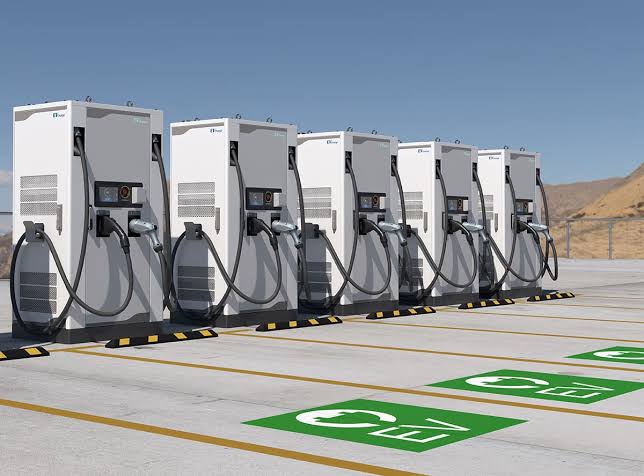
DC fast charging installation is becoming an important consideration for commercial property owners, fleet operators, retailers, hotels, workplaces, parking facilities, and other businesses serving electric vehicle drivers. Unlike Level 1 and Level 2 charging, DC fast charging can deliver substantial energy to compatible EVs in a relatively short period, making it particularly useful where drivers cannot remain parked for several hours.
Installing DC fast chargers, however, involves considerably more than purchasing charging equipment. Commercial properties must evaluate electrical capacity, utility service, equipment placement, parking configuration, permits, construction requirements, networking, safety, maintenance, and expected charger demand. This guide explains the major considerations involved in DC fast charging installation so property owners and businesses can plan a reliable charging site and understand the infrastructure required before construction begins.
What Is DC Fast Charging?
DC fast charging, also known as DCFC, supplies direct current to an electric vehicle without relying on the vehicle’s onboard AC-to-DC converter in the same way Level 1 and Level 2 charging do. Because the charging equipment performs the conversion outside the vehicle, DC fast chargers can generally provide much higher charging power than typical AC charging equipment.
The exact charging speed depends on several factors, including the charger’s power rating, the vehicle’s maximum DC charging capability, battery temperature, battery state of charge, and the vehicle’s charging strategy.
A vehicle does not necessarily charge at the maximum output advertised by a charging station throughout the entire session. Charging power commonly changes as the battery fills, with the vehicle managing the charging rate to protect the battery and optimize charging.
For commercial properties, the primary advantage is shorter charging time. This can make DC fast charging appropriate for locations where customers, employees, fleet vehicles, or travelers need to recharge without spending several hours at the property.
Why Commercial Properties Install DC Fast Chargers
The business case for DC fast charging varies significantly by property type. A highway-oriented travel center has different charging needs from a workplace, apartment complex, or fleet depot.
Commercial DC fast charging can be particularly relevant when the property expects drivers to arrive with limited time available for charging.
Retail centers, restaurants, hotels, convenience businesses, parking facilities, fleet operations, and transportation-oriented properties may all evaluate DC fast charging for different reasons.
Some properties may install chargers primarily as a paid charging service. Others may view charging as an amenity that supports customer visits, employee retention, fleet operations, or property competitiveness.
The physical site and expected usage should therefore determine the charging strategy rather than simply choosing the highest-power equipment available.
How DC Fast Charging Installation Differs From Level 2
DC fast charging installation is generally more complex than Level 2 installation because the electrical infrastructure can be substantially larger.
A Level 2 charger can often operate using a comparatively modest electrical connection, depending on its output and installation configuration. DC fast charging equipment, by comparison, may require significantly greater electrical capacity and more extensive site infrastructure.
This difference can affect nearly every part of a commercial project.
The electrical service may need to be upgraded. Transformers or switchgear may need to be added or modified. Conduit runs can become larger, and trenching may be necessary when the electrical equipment and chargers are separated.
The project may also require coordination with the utility, local authorities, engineers, contractors, charger manufacturers, and network providers.
For this reason, DC fast charging should be approached as an infrastructure project rather than simply an equipment installation.
How Much Does Commercial DC Fast Charging Installation Cost?
The cost of commercial DC fast charging installation varies considerably. There is no universal installation price because the electrical and construction requirements depend heavily on the property.
Equipment is only one part of the overall project budget.
A relatively straightforward site with adequate electrical capacity and convenient equipment placement can have very different costs from a property requiring a new electrical service, transformer work, extensive trenching, or significant site reconstruction.
Important cost categories can include:
- DC fast charging equipment
- Electrical service upgrades
- Transformers and switchgear
- Distribution equipment
- Conduit and wiring
- Trenching and underground construction
- Concrete pads and equipment foundations
- Parking lot modifications
- Signage and site markings
- Permits and inspections
- Networking and communications equipment
- Engineering and design
- Labor and commissioning
- Ongoing maintenance
The largest cost driver is not always the charger itself. At some properties, electrical infrastructure and construction can represent a substantial portion of the project.
A proper site assessment is therefore essential before developing a final installation budget.
What Determines DC Fast Charging Installation Cost?
Several factors influence the total cost of a commercial DC fast charging project.
Available Electrical Capacity
The existing electrical service is one of the first things an installer or electrical engineer should evaluate.
A property with sufficient spare capacity may be able to support chargers without a major service upgrade. A property with limited capacity may require electrical modifications or a new service.
The difference can have a major impact on project cost and schedule.
Charger Power Level
DC fast chargers are available in different power configurations. Higher-power equipment generally requires more substantial electrical infrastructure.
The appropriate power level depends on the property’s intended use, vehicle compatibility, expected charging duration, and available electrical capacity.
Installing more power than the property actually needs can unnecessarily increase infrastructure costs.
Distance From Electrical Equipment
The physical distance between the electrical service, distribution equipment, and charging stalls matters.
Longer conduit and cable runs can increase material and labor costs. Underground installation may also require trenching, excavation, restoration, and coordination with existing utilities.
A site where chargers can be positioned close to suitable electrical infrastructure may have fewer construction requirements than a site with long distances between the electrical service and parking area.
Number of Chargers
Installing several chargers at the same time can change the project’s electrical requirements.
Multiple chargers can create significant simultaneous demand, particularly if they operate at high power. The electrical design therefore needs to consider not only each charger individually but also the site’s combined load.
Load management or power-sharing technology may help some properties manage available capacity more efficiently.
DC Fast Charger Electrical Requirements
Electrical requirements depend on the equipment selected and the site design, so commercial properties should obtain equipment-specific requirements before construction begins.
A DC fast charging project may involve electrical service equipment, distribution panels or switchgear, transformers, disconnects, overcurrent protection, grounding, conduit, conductors, communications infrastructure, and charger foundations.
The installation must comply with applicable electrical codes, equipment requirements, utility rules, and local regulations.
The exact configuration should be designed and installed by qualified electrical professionals familiar with commercial EV charging infrastructure.
Can Existing Electrical Service Support DC Fast Charging?
This is one of the most important questions to answer before selecting equipment.
A property may have a large electrical service but relatively little spare capacity because existing building systems already consume much of the available load.
HVAC systems, refrigeration, lighting, elevators, manufacturing equipment, kitchens, data centers, and other electrical loads can all affect available capacity.
A load evaluation can help determine whether the existing service can accommodate the planned charging equipment.
If sufficient capacity is unavailable, the project may require service modifications or other infrastructure improvements.
Utility Coordination for DC Fast Charging
Utility coordination can be a major part of commercial DC fast charging installation.
High-power charging sites may place substantially greater demands on the electrical grid than conventional building loads. The utility may therefore need to review the proposed project and determine whether existing service infrastructure can support the requested load.
Depending on the project, utility coordination may involve service capacity reviews, transformer requirements, service upgrades, metering arrangements, equipment locations, and construction scheduling.
The process varies by utility and location.
Property owners should begin utility discussions early rather than waiting until the charger equipment has already been purchased.
A utility-related requirement discovered late in the project can affect both the installation schedule and budget.
Site Planning for Commercial DC Fast Chargers
Good site design is critical to the success of a DC fast charging installation.
Chargers should be positioned where drivers can safely enter, park, charge, and exit without creating unnecessary traffic conflicts.
The property should also consider vehicle turning movements, parking circulation, pedestrian routes, equipment protection, accessibility, lighting, signage, drainage, and future expansion.
The charging area needs sufficient space for the vehicles expected to use it. This becomes especially important for properties serving larger EVs, fleet vehicles, vans, or vehicles towing trailers.
Cable management should also be considered during site planning. Charging cables need to reach vehicle charge ports without creating unnecessary trip hazards or obstructing adjacent parking spaces.
Where Should DC Fast Chargers Be Installed?
The ideal location depends on the property and intended users.
For retail properties, chargers may be located near convenient entrances or other customer amenities. For hotels, they may be positioned within designated parking areas where guests can access them easily.
Fleet charging sites require a different approach because vehicle movements, dispatch patterns, dwell times, and operating schedules influence charger placement.
Highway-oriented properties may need to consider traffic flow, visibility, access from major roads, and space for multiple charging vehicles.
The goal should be to balance convenient access with safe circulation and efficient use of the site’s electrical and physical infrastructure.
Parking and Traffic Flow Considerations
DC fast charging stations can generate more vehicle turnover than slower charging equipment because drivers may complete charging sessions in shorter periods.
That makes traffic planning particularly important.
A poorly designed charging area can create congestion even if the chargers themselves work correctly.
Property owners should consider how vehicles enter and leave charging spaces, whether charging vehicles interfere with ordinary parking, and how drivers move between the charging area and other parts of the property.
For high-use sites, dedicated charging spaces with clearly defined traffic patterns can make the site easier to operate.
Accessibility and Commercial Charging Sites
Accessibility should be considered during the planning and design of commercial EV charging infrastructure.
The specific requirements depend on the jurisdiction, property type, charger configuration, and applicable accessibility rules.
Important considerations may include parking-space dimensions, access routes, equipment placement, pavement conditions, signage, and cable positioning.
Property owners should have accessibility requirements reviewed during the design stage rather than attempting to modify the charging area after construction.
Permits and Inspections for DC Fast Charging
Commercial DC fast charging projects commonly require permits and inspections, although the exact requirements vary by jurisdiction.
Depending on the location and project scope, approvals may involve electrical, building, site, zoning, utility, or other local authorities.
The installation may also require inspections before the equipment can be energized or placed into service.
A qualified commercial EV charging installer should understand the applicable permitting process and coordinate required inspections.
Property owners should confirm who is responsible for obtaining permits and scheduling inspections before work begins.
Choosing the Right DC Fast Charger
Selecting a charger should begin with the property’s intended use rather than the highest available charging specification.
Several questions should guide the selection process.
How many vehicles are expected to charge each day? How long are drivers likely to remain on the property? What types of EVs will use the chargers? How much electrical capacity is available? Does the property expect charging demand to increase?
The charging equipment should also be compatible with the vehicles and charging standards relevant to the intended customer base.
Networking capabilities, payment functionality, monitoring, maintenance requirements, warranty coverage, environmental ratings, and software support can also influence the selection.
Connector Compatibility Matters
Connector compatibility is an essential consideration for commercial DC fast charging.
The charging connector used by a station must be compatible with the vehicles the property intends to serve, or the site needs an appropriate strategy for supporting different vehicle types.
The EV market includes multiple charging standards, and connector availability can vary by vehicle and market.
Property owners should evaluate the vehicle mix expected at the site rather than assuming every EV will use the same connector.
A charger manufacturer or qualified EV charging professional can help determine the appropriate configuration for the target market.
Networked vs. Non-Networked DC Fast Chargers
Commercial properties also need to decide how charging equipment will be managed.
Networked chargers can provide software-based functionality such as remote monitoring, session management, usage reporting, diagnostics, pricing controls, and other operational features, depending on the system.
Non-networked equipment may be appropriate for some private applications where sophisticated remote management is not required.
For public or revenue-generating charging, network capabilities can become particularly important because operators may need to monitor charger status and manage customer sessions remotely.
The right choice depends on how the charging site will operate.
Payment and Pricing Considerations
Commercial charging operators may charge drivers for electricity or charging services, depending on the business model and applicable rules.
Pricing structures can vary. A charging service may use energy-based pricing, time-based pricing, session fees, or other approaches depending on local regulations, network capabilities, and business requirements.
Property owners should understand the payment functionality supported by the selected charging equipment and network.
Pricing should also be considered alongside operating costs, electricity rates, demand charges where applicable, maintenance, network fees, and other expenses.
A charging station’s gross charging revenue should not be confused with its overall financial return.
Demand Charges and Commercial Electricity Costs
Electricity costs can be an important consideration for high-power charging sites.
Some commercial electricity tariffs may include demand-related charges based on how much power a property draws during particular periods. The applicability and structure of these charges vary by utility and rate plan.
Because DC fast chargers can create substantial electrical demand, property owners should understand the applicable commercial electricity tariff before finalizing the business case.
Energy management systems may help some sites manage charging loads, but they cannot eliminate the need to understand the underlying utility rate structure.
Load Management for Multiple DC Fast Chargers
Load management can help commercial properties coordinate charging demand across multiple chargers or building loads.
Instead of allowing every charger to draw maximum power simultaneously, a control system can distribute available capacity according to predefined rules.
For example, a site with limited electrical capacity might allocate available power among several charging vehicles rather than requiring an immediate service upgrade.
The effectiveness of this approach depends on the charger equipment, electrical design, utility requirements, and operational objectives.
Load management should be evaluated during engineering rather than added as an afterthought.
Battery Energy Storage and DC Fast Charging
Some commercial charging projects may also evaluate battery energy storage.
An energy storage system can potentially provide additional flexibility by storing electricity and supplying power to charging equipment when needed.
This approach may be considered where grid capacity is constrained or where the property has specific energy-management objectives.
However, energy storage adds equipment, engineering, controls, maintenance, and capital costs. It is not automatically appropriate for every commercial charging site.
A feasibility assessment should determine whether storage provides a meaningful benefit for the specific property.
Construction Requirements for DC Fast Charging
Construction can represent a significant part of a DC fast charging project.
Depending on the site, construction may include trenching, excavation, concrete work, conduit installation, electrical equipment foundations, bollards, pavement restoration, striping, signage, lighting, and landscaping adjustments.
Existing underground utilities must also be identified before excavation.
A detailed site plan can reduce the risk of unexpected construction issues.
For parking lots and commercial properties, the installation schedule should also consider how construction will affect customers, employees, tenants, deliveries, and normal business operations.
Safety and Equipment Protection
DC fast charging equipment is designed for outdoor commercial environments in many applications, but proper installation and protection remain essential.
Equipment should be installed according to manufacturer requirements and applicable codes.
Physical protection may be necessary where chargers could be exposed to vehicle impacts. Bollards or other protective measures may be used where appropriate.
Electrical equipment should also be protected from environmental conditions according to its specified ratings.
Clear signage and well-designed parking layouts can help reduce confusion and prevent vehicles from obstructing equipment or cables.
Maintenance Requirements for Commercial DC Fast Chargers
Installing a DC fast charger is only the beginning of the equipment’s operational life.
Commercial charging stations require ongoing monitoring and maintenance to maintain reliability.
Maintenance can include inspection of connectors and cables, electrical components, cooling systems where applicable, communications equipment, payment systems, and physical equipment.
Network monitoring can help identify faults before they become prolonged outages.
Property owners should understand the manufacturer’s maintenance recommendations and determine who will respond when a charger becomes unavailable.
For commercial operations, response time can be particularly important because an offline high-power charger can affect multiple drivers and reduce site availability.
Planning for Charger Uptime
Charger uptime should be considered during the equipment-selection process.
A commercial charging site can have technically functional equipment but still provide a poor user experience if payment systems fail, communications are interrupted, cables are damaged, or charging sessions frequently terminate unexpectedly.
Property owners should evaluate the manufacturer’s support structure, network monitoring capabilities, warranty terms, replacement parts availability, and service arrangements.
A maintenance agreement may also be worth considering for sites where charger availability is particularly important.
DC Fast Charging for Fleet Operations
Fleet operators have different requirements from public charging sites.
Fleet vehicles often follow predictable schedules, which can make charging demand easier to model.
A fleet charging plan should consider vehicle routes, departure times, dwell periods, battery sizes, daily mileage, charging windows, and operational requirements.
The fastest charger is not necessarily required for every fleet application.
A fleet that returns to a depot for several hours may be able to use slower charging equipment, while vehicles with short turnaround times may benefit from DC fast charging.
The charging strategy should therefore reflect actual fleet operations.
DC Fast Charging for Retail Properties
Retail properties may use DC fast charging to provide an additional service to customers while vehicles are parked.
The charging experience can be integrated with the broader customer journey.
Drivers may use the time to shop, eat, access services, or complete other activities at the property.
The site should nevertheless be designed around actual parking behavior. Charging spaces need to remain accessible to EV drivers while avoiding unnecessary disruption to conventional parking operations.
Property owners should also establish clear policies regarding vehicle parking after charging is complete.
DC Fast Charging for Hotels
Hotels can evaluate DC fast charging as an amenity for guests, visitors, and potentially staff.
Unlike a highway-oriented charging site, hotels often have longer vehicle dwell times. This can influence the number and type of chargers that make sense for the property.
A hotel may also consider a combination of Level 2 and DC fast charging depending on guest parking patterns.
The appropriate charging mix depends on property size, parking availability, guest expectations, electrical capacity, and expected EV demand.
DC Fast Charging for Workplaces
Workplace properties should examine how long employees typically remain on-site.
If vehicles remain parked throughout the workday, Level 2 charging may satisfy many charging needs without the infrastructure requirements associated with DC fast charging.
DC fast charging may become more relevant when employees, company vehicles, or fleet vehicles require rapid turnaround.
The charging strategy should therefore align with employee schedules and vehicle utilization rather than simply focusing on charging speed.
Future-Proofing a Commercial Charging Site
A commercial property should consider future expansion during the initial installation.
Even if only a small number of chargers are required today, the electrical and physical design can sometimes be planned to accommodate additional equipment later.
Future-ready planning may include reserving space for additional chargers, installing appropriately sized electrical infrastructure where economically justified, planning conduit pathways, and considering available utility capacity.
It is generally easier to account for future expansion during the initial design than to reconstruct the site later.
However, future-proofing should remain financially practical. Oversizing every component without a realistic expansion plan can increase initial project costs unnecessarily.
How Long Does DC Fast Charger Installation Take?
Installation timelines vary widely.
A simple project with suitable electrical capacity and straightforward construction may progress more quickly than a project requiring utility upgrades, new electrical service, extensive trenching, or complex permitting.
The timeline can include design, site assessment, utility coordination, equipment procurement, permitting, construction, installation, inspection, commissioning, and network activation.
Equipment availability can also affect scheduling.
Property owners should establish a project timeline with the installer, utility, equipment supplier, and relevant authorities rather than relying on a generic installation estimate.
Common Mistakes to Avoid
Commercial property owners can reduce project problems by addressing infrastructure and operational questions early.
One common mistake is choosing chargers before determining whether the property has sufficient electrical capacity. Another is focusing on charger power while overlooking parking circulation, cable reach, accessibility, maintenance, or utility requirements.
Underestimating construction costs can also create budget problems, particularly when trenching or electrical service upgrades become necessary.
Another issue is failing to plan for future maintenance. A charging station needs a clear process for monitoring faults, handling customer problems, replacing damaged equipment, and restoring service.
Finally, property owners should avoid assuming that every commercial site needs the same charging configuration. The right design depends on the property, users, vehicles, electrical infrastructure, and business objectives.
How to Plan a DC Fast Charging Installation
A successful project generally starts with a detailed site assessment.
The assessment should identify existing electrical capacity, proposed charger locations, parking configuration, utility infrastructure, underground conditions, accessibility considerations, construction requirements, and future expansion opportunities.
The property owner can then define the expected charging demand and determine which charging equipment fits the site’s needs.
From there, the project can move through engineering, permitting, utility coordination, equipment procurement, construction, installation, inspection, commissioning, and operational setup.
A commercial EV charging directory can also be useful during the planning process. Reviewing existing charging locations in the surrounding area can provide context about nearby charging options and help property owners understand how their planned station fits into the local charging network.
Should Commercial Properties Install DC Fast Chargers?
DC fast charging can be an important infrastructure investment for commercial properties where rapid vehicle charging is relevant to customers, fleets, employees, or travelers.
The technology can support shorter charging sessions, but the installation requirements are more substantial than those associated with conventional AC charging.
The most important planning question is not simply how fast a charger can charge an EV. It is whether the site’s electrical infrastructure, parking configuration, expected vehicle demand, operating model, and budget support the proposed charging system.
A professional site assessment can identify infrastructure constraints before equipment is selected or construction begins.
Final Considerations for Commercial DC Fast Charging
DC fast charging installation is a multidisciplinary commercial infrastructure project involving electrical engineering, construction, utility coordination, equipment selection, site design, networking, operations, and ongoing maintenance.
The best installation strategy depends on the property’s specific requirements. A high-power charging site serving highway travelers may need a very different design from a hotel, workplace, retail center, or private fleet depot.
Before committing to equipment, property owners should evaluate electrical capacity, utility requirements, charger compatibility, parking layout, construction needs, permits, operating costs, maintenance, and future expansion.
With careful planning, commercial properties can develop charging infrastructure that fits their physical site and the charging needs of the drivers they intend to serve.
No reviews yet — be the first to share your experience.