
Charging Electric Vehicles at Home: Complete Guide
By Staff Writer · September 22, 2026
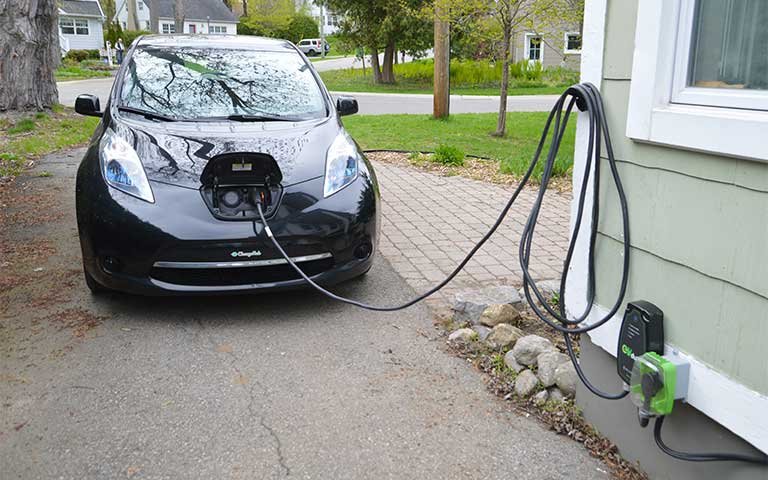
Charging electric vehicles at home is one of the most convenient ways to keep an EV ready for everyday driving. Instead of visiting a public charging station every time the battery needs energy, drivers can plug in while the vehicle is parked at home, often overnight or during other periods when the car is not being used.
Home charging can range from using a standard household outlet to installing dedicated Level 2 charging equipment. The right solution depends on the vehicle, daily driving requirements, parking arrangement, electrical system, and desired charging speed.
This guide explains how charging electric vehicles at home works, the differences between Level 1 and Level 2 charging, installation requirements, charging times, costs, safety considerations, and practical ways to make home charging part of your daily routine.
How Charging Electric Vehicles at Home Works
Home EV charging transfers electricity from your home’s electrical system to the vehicle’s battery. The charging equipment manages the flow of electricity and communicates with the vehicle to provide power safely.
Most home charging uses alternating current, or AC. The vehicle’s onboard charger converts that AC electricity into the direct current required by the battery.
The two primary home charging options are Level 1 and Level 2. They differ mainly in electrical requirements and charging speed.
Level 1 EV Charging at Home
Level 1 charging uses a standard household electrical outlet. It generally does not require a dedicated EV charging installation because the equipment can connect to an appropriate existing outlet.
The main advantage of Level 1 charging is simplicity. A driver can often charge at home without installing a dedicated wall-mounted charger or making significant changes to the electrical system.
The trade-off is charging speed. Level 1 adds energy relatively slowly, making it more suitable for drivers with modest daily mileage or vehicles that remain parked for long periods.
For someone who drives a limited distance each day and has many hours available for charging overnight, Level 1 may provide enough energy for routine use.
Level 2 EV Charging at Home
Level 2 charging provides substantially more power than Level 1 and is the most common choice for homeowners who want faster home charging.
A Level 2 charger normally requires a dedicated electrical circuit and professional installation. The exact electrical requirements depend on the charger and the home’s existing electrical capacity.
Level 2 charging can replenish significantly more energy during an overnight parking period, making it particularly useful for drivers with longer commutes, higher daily mileage, or multiple vehicles.
Many modern home chargers also provide features such as scheduled charging, smartphone monitoring, energy tracking, and adjustable charging settings.
How Long Does It Take to Charge an EV at Home?
Home charging time depends on several factors rather than a single standard charging time. Battery capacity, the vehicle’s maximum AC charging rate, the charger’s power output, the starting battery level, temperature, and charging settings can all affect the result.
Level 1 charging generally takes longer because it provides less electrical power. Level 2 charging can reduce the time required to replenish the battery and is often more practical for drivers who use their vehicles frequently.
It is also important to distinguish between charging from empty to full and adding enough energy for the next day’s driving. Most drivers do not need to completely recharge their battery every night. A shorter charging session may provide all the energy needed for daily travel.
Do You Need a Level 2 Charger at Home?
Not every EV owner needs Level 2 charging. The decision should be based on how the vehicle is used and how long it remains parked.
Level 1 may be sufficient when daily driving is relatively limited and the vehicle is parked overnight for many hours. It can also be a practical starting point for drivers who want to avoid installation work.
Level 2 becomes more useful when faster charging is important, daily mileage is higher, or the vehicle needs to recover more energy between trips.
Before installing a Level 2 charger, homeowners should consider both current needs and future driving habits. A charger that meets today’s requirements may also need to accommodate a future EV with a larger battery or different charging capabilities.
Where Can You Install a Home EV Charger?
The most common installation locations are garages, carports, driveways, and other private parking areas. The ideal location depends on where the vehicle is normally parked and how electrical power can be routed to the charger.
The charging cable should be long enough to reach the vehicle without creating a tripping hazard or requiring unsafe cable placement. Outdoor installations also require equipment designed and approved for the environmental conditions at the installation location.
The charger should be positioned where it is accessible while keeping the equipment protected from unnecessary physical damage.
What Electrical Work Is Required?
Installing a Level 2 charger usually involves connecting the equipment to a dedicated circuit in the home’s electrical system. An electrician may need to evaluate the electrical panel, wiring, circuit capacity, breaker requirements, and distance between the panel and charger.
The installation can be relatively straightforward when sufficient electrical capacity is already available. More complicated installations may require additional electrical work.
Older homes or properties with limited electrical capacity may need upgrades before a high-power EV charger can be installed. An electrical professional can determine whether the existing system can safely support the intended charger.
Does Your Home Need an Electrical Panel Upgrade?
Not necessarily. A panel upgrade is only required when the existing electrical system cannot safely support the additional load.
An electrician should evaluate the home’s existing electrical demand rather than assuming an upgrade is necessary. Household appliances, heating and cooling equipment, and other major electrical loads can affect available capacity.
In some cases, alternative charging equipment or energy-management solutions may help avoid a larger electrical upgrade. The appropriate solution depends on the property’s electrical characteristics and local requirements.
How Much Does Home EV Charging Cost?
The cost of home charging has two separate components: electricity and installation.
Electricity costs depend on the vehicle’s energy consumption, how much energy is added, and the local electricity rate. Charging efficiency also affects how much electricity is drawn from the grid compared with the energy ultimately stored in the battery.
Installation costs depend on the charger, electrical work, wiring distance, permits, labor, and whether electrical upgrades are required. A simple installation may involve considerably less work than a project requiring extensive wiring or panel modifications.
Drivers should evaluate the total cost of ownership rather than focusing only on the purchase price of the charger.
Can You Charge an EV Overnight?
Yes. Overnight charging is one of the most common ways to charge an electric vehicle at home.
The vehicle can remain connected while parked, allowing energy to be added during several hours of inactivity. Many EVs and home charging systems allow drivers to schedule charging so that it begins or ends at specific times.
Overnight charging also makes it easier to establish a consistent routine. Instead of monitoring the battery throughout the day, drivers can plug in after returning home and start the next day with the desired charge level.
Can You Schedule EV Charging?
Many modern EVs and home chargers support scheduled charging. Depending on the vehicle and equipment, drivers may be able to select charging times through the vehicle’s controls, a mobile application, or the charging equipment.
Scheduled charging can help drivers take advantage of electricity rates that vary by time of day when such pricing is available. It can also prevent unnecessary charging immediately after arriving home when the vehicle will not be needed for several hours.
The exact scheduling features vary by vehicle and charger, so compatibility should be checked before purchase.
Should You Charge an EV to 100 Percent at Home?
The appropriate charge level depends on the vehicle and how it is used. Drivers should follow the battery-management recommendations provided by the vehicle manufacturer.
For everyday driving, some vehicles may recommend maintaining a charge level below the maximum. A full charge can be useful before longer journeys when the additional range is needed.
The key is to avoid assuming that charging to 100 percent is necessary every day. Understanding the manufacturer’s recommendations can help drivers establish an appropriate charging routine.
Is Home EV Charging Safe?
Home EV charging is designed to be safe when properly installed and used with compatible equipment.
A dedicated Level 2 installation should be performed according to applicable electrical requirements. The charger, circuit, outlet, and vehicle should all be compatible with one another.
Drivers should avoid damaged cables, overloaded outlets, unsuitable extension cords, or improvised electrical connections. Any signs of overheating, damage, unusual odors, or electrical problems should be addressed promptly by a qualified professional.
Home Charging for Renters
Renters may face additional challenges because they may not control the property’s electrical system or parking area. Permission from the property owner or manager may be necessary before installing charging equipment.
A portable Level 1 solution may be practical in some rental situations when an appropriate outlet is available. Other properties may support shared Level 2 charging or dedicated EV charging infrastructure.
Before purchasing equipment, renters should confirm whether installation is permitted and determine who is responsible for electrical work and ongoing electricity costs.
Home Charging for Apartments and Multifamily Properties
Multifamily properties present different charging considerations because multiple residents may need access to limited electrical capacity and parking spaces.
Property managers may need to evaluate electrical infrastructure, charger placement, parking arrangements, access control, billing, and future demand.
As EV adoption increases, dedicated charging infrastructure can become an important consideration for apartments, condominiums, and other multifamily developments. Residents without suitable home charging can also use public charging stations listed in EV charging directories to identify nearby alternatives.
Do You Still Need Public Charging If You Charge at Home?
Home charging can cover much of an EV driver’s regular energy needs, but public charging remains useful for longer trips, unexpected travel, and situations where home charging is unavailable.
DC fast charging is particularly relevant for road trips because it can add substantial energy in a relatively short period compared with typical home charging.
Drivers who have a home charger can therefore use public stations as a supplement rather than relying on them for every charging session. An EV charging directory can help identify charging options along routes and near destinations when additional charging is needed.
How to Make Home EV Charging More Efficient
Efficient home charging starts with choosing equipment that matches the vehicle and driving routine. Installing a charger with substantially more power than the vehicle can accept may not provide a practical benefit.
Charging schedules can also help align charging with household routines and applicable electricity rates. Keeping charging equipment maintained and following the manufacturer’s instructions can further support reliable operation.
It is also useful to monitor energy consumption over time. Understanding how much electricity the vehicle uses can make household energy planning easier and provide a clearer picture of the cost of electric driving.
Common Home EV Charging Mistakes
One common mistake is choosing a charger without checking vehicle compatibility. Another is assuming that every home electrical system can support a high-power Level 2 charger without modification.
Installation location is also important. A charger should be positioned so that the cable can reach the vehicle safely and conveniently.
Drivers should also avoid treating charging speed as the only purchasing consideration. Reliability, connector compatibility, cable length, installation requirements, scheduling features, and overall usability can be just as important.
How to Choose the Right Home EV Charger
The right home EV charger should match the vehicle’s charging capabilities, the home’s electrical capacity, and the driver’s daily routine.
Start by checking the vehicle manufacturer’s charging specifications. Then evaluate where the vehicle will be parked, whether Level 1 charging is sufficient, and whether a dedicated Level 2 installation is practical.
For a Level 2 installation, obtain an electrical assessment before purchasing equipment. This can help identify circuit requirements and potential electrical upgrades.
The goal is not necessarily to select the highest-powered charger available. The better approach is to select equipment that provides the charging performance needed without creating unnecessary installation complexity.
Home EV Charging vs. Public Charging
Home charging provides convenience because the vehicle can charge while parked at a familiar location. It can reduce the need for frequent trips to public charging stations and makes charging easier to incorporate into a daily routine.
Public charging provides flexibility when drivers are away from home. It is particularly important during road trips or when a vehicle needs additional energy before returning home.
For many EV drivers, the two systems work together. Home charging handles routine energy needs, while public charging provides additional flexibility when circumstances require it.
What to Know Before Installing a Home EV Charger
Before installing a charger, confirm the vehicle’s connector and charging capabilities, evaluate the home’s electrical capacity, select a suitable installation location, and understand any applicable electrical or permitting requirements.
It is also worth considering future needs. A charger installed today may remain in service for years, so the equipment should provide a practical balance between current requirements and potential future use.
Taking time to plan the installation can prevent compatibility problems, unnecessary electrical work, and inconvenient charger placement.
Making Home EV Charging Part of Your Daily Routine
Charging electric vehicles at home becomes much simpler when it is treated as part of the normal parking routine rather than a separate task. For many drivers, plugging in after arriving home and allowing the vehicle to charge while parked provides enough energy for everyday travel.
Level 1 charging can work for some lower-mileage drivers, while Level 2 charging offers faster replenishment for households with greater charging demands. The best setup depends on the vehicle, electrical system, parking arrangement, budget, and daily driving pattern.
As EV ownership grows, home charging will remain an important part of the overall charging ecosystem. When home charging is unavailable or additional energy is needed, public charging stations provide another option, and an EV charging directory can help drivers find suitable stations in their area or along a planned route.
No reviews yet — be the first to share your experience.