
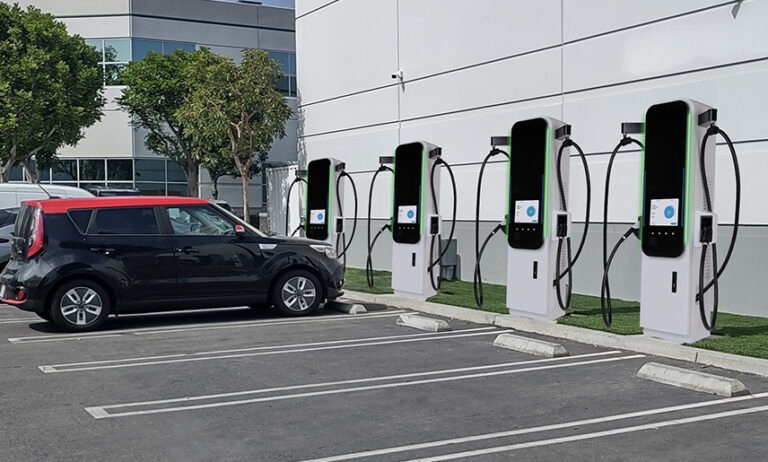
Commercial EV Charger Installation: Costs, Requirements and Planning
Commercial EV charger installation allows businesses, property owners, fleet operators, and public facilities to provide charging for employees, customers, tenants,…
Commercial EV charger installation allows businesses, property owners, fleet operators, and public facilities to provide charging for employees, customers, tenants,…

Installing a home EV charger makes charging an electric vehicle more convenient, especially for drivers who want to recharge overnight…
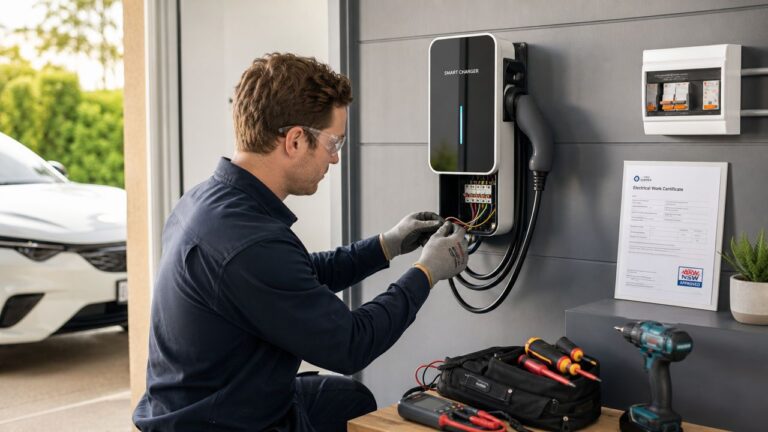
Installing an electric vehicle (EV) charger at home can make everyday charging more convenient and reduce reliance on public charging…

Electric vehicles can do more than store electricity for driving. With the right technology, an EV can power household appliances,…
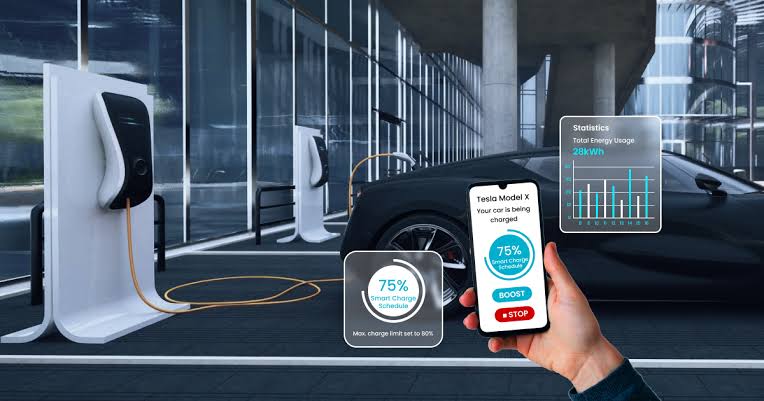
Smart EV charging uses connected chargers, software and energy-management systems to control when and how electric vehicles charge. Instead of…

EV battery preconditioning is a thermal-management feature that prepares an electric vehicle’s battery for better performance before driving or fast…

Electric vehicle drivers often see a charger advertised at 150 kW, 250 kW, 350 kW or even higher and assume…

Understanding EV charging power becomes much easier once you know what kilowatts (kW), kilowatt-hours (kWh), volts (V), and amps (A)…

How fast can an EV charge? The answer depends on much more than the charging station’s advertised power. An EV…

AC vs. DC charging is one of the most important distinctions EV drivers should understand when choosing a charger. Both…