
Why Does EV Charging Keep Stopping? Common Causes
By Staff Writer · September 22, 2026
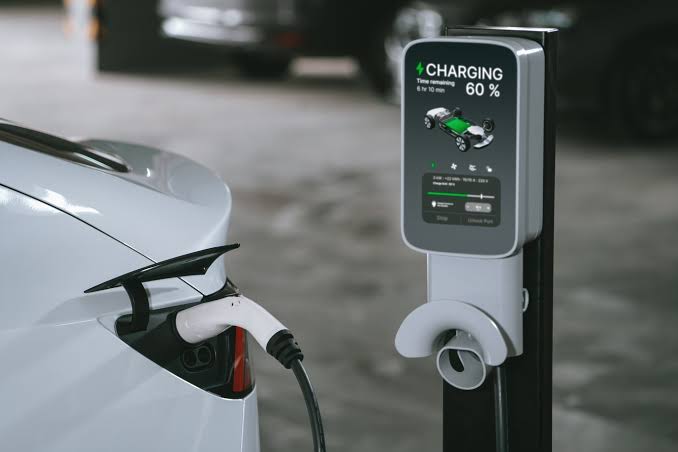
If your EV starts charging normally but repeatedly stops before reaching the desired battery level, the interruption can be caused by several different factors. Why EV charging keeps stopping depends on the vehicle, charging equipment, electrical supply, battery conditions, charging settings, and, when using a public station, the charging network.
An occasional interruption does not necessarily indicate a serious vehicle problem. Charging can stop because the battery reaches a configured limit, temperature conditions change, communication between the vehicle and charger is interrupted, or the charger experiences a temporary fault.
This guide explains the most common reasons EV charging keeps stopping, what you can safely check, and how to determine whether the problem originates with your vehicle, charger, electrical system, or public charging network.
Why Does EV Charging Keep Stopping?
EV charging is a controlled process rather than a simple flow of electricity. The vehicle and charging equipment continuously communicate and monitor conditions during a charging session.
If the system detects a condition that prevents charging from continuing, it can reduce power or stop the session. Depending on the circumstances, the vehicle may restart charging automatically, require the driver to reconnect, or display an error.
The first step is to determine whether charging stops at a predictable battery percentage, after a particular amount of time, only at one charger, or across multiple charging locations.
That pattern can provide an important clue about the cause.
1. Your EV Has Reached Its Charging Limit
One of the simplest explanations is that the vehicle has reached its configured charging limit.
Many EVs allow drivers to select a maximum state of charge. Once the battery reaches that percentage, the vehicle can stop drawing power even though the charging cable remains connected.
Check your vehicle’s charging settings and current battery percentage. If charging consistently stops at the same selected percentage, the charging limit may be operating as intended.
Changing the charging limit should only be done according to the vehicle manufacturer’s recommendations and your own charging requirements.
2. The Battery Is Nearly Full
Even without a specific charging limit, charging behavior changes as the battery approaches a high state of charge.
The vehicle may progressively reduce charging power and eventually stop when the battery reaches its permitted maximum.
This is especially noticeable during DC fast charging, where charging power can be significantly higher at lower states of charge and decrease as the battery fills.
If charging consistently slows and then stops near the top of the battery’s charging range, this can be normal behavior rather than a fault.
3. The Battery Is Too Hot
Battery temperature can affect whether charging continues.
During high temperatures, extended driving, repeated fast-charging sessions, or other demanding conditions, the vehicle may reduce charging power to manage battery temperature.
In some circumstances, charging can temporarily stop if the system determines that conditions are outside the permitted operating range.
Allowing the vehicle to cool and following the manufacturer’s charging guidance may restore normal operation.
If charging repeatedly stops even under ordinary temperatures and conditions, further investigation may be appropriate.
4. The Battery Is Too Cold
Cold temperatures can also affect EV charging.
A cold battery may accept power more slowly, particularly during DC fast charging. The vehicle can limit charging power while the battery reaches an appropriate temperature.
Some EVs support battery preconditioning, which can prepare the battery for charging before arrival at a fast-charging station.
If your EV regularly experiences charging interruptions in very cold weather, check the manufacturer’s guidance for battery conditioning and charging in low temperatures.
5. The Charging Cable Is Loose
A cable that moves or loses a secure connection can interrupt charging.
The connector needs to remain properly seated throughout the charging session. If it becomes partially disconnected, the vehicle and charger may terminate the session as a safety measure.
Check that the connector is fully inserted and properly locked. Avoid placing unnecessary strain on the cable or allowing it to hang in a way that pulls against the charging port.
If the connector repeatedly loses its connection despite being properly inserted, the cable, connector, or vehicle charging port may require inspection.
6. The Charging Cable Is Damaged
A damaged charging cable can cause intermittent charging.
Inspect the cable and connectors for cuts, crushing, cracks, exposed wiring, melted areas, or other obvious damage.
Do not continue using a visibly damaged cable. Electrical charging equipment should be replaced or professionally assessed according to the manufacturer’s instructions.
If another compatible cable works normally with the same vehicle and charger, this can help identify the original cable as a potential source of the problem.
7. The Charging Connector Is Dirty or Obstructed
Dirt and debris can interfere with a stable connection.
Charging ports and connectors are exposed to dust, moisture, and environmental conditions, particularly when charging outdoors.
Visually inspect the charging inlet and connector before use. Do not insert tools or metal objects into the vehicle’s charging port.
If there is visible damage, unusual contamination, or another condition you cannot safely address according to the manufacturer’s instructions, arrange professional inspection.
8. The Charger Is Overheating
Charging equipment can monitor its own temperature.
If a charger becomes too hot, its control system may reduce charging power or stop the session temporarily. This can be more noticeable during periods of high ambient temperature or when equipment is operating under heavy demand.
A charger that repeatedly stops because of temperature conditions may require inspection or maintenance.
For public charging stations, report recurring overheating or charging interruptions to the charging network rather than attempting to repair the equipment yourself.
9. The Home Electrical Supply Is Interrupted
Home charging depends on the property’s electrical system.
A tripped circuit breaker, electrical protection device, power interruption, or other supply problem can cause charging to stop.
If the charger loses power, the vehicle may end the charging session or wait until the electrical supply returns.
If a breaker repeatedly trips when charging your EV, do not repeatedly reset it without determining the cause. Repeated trips can indicate an electrical problem that should be assessed by a qualified electrician.
10. Smart Charging Is Controlling the Session
Smart charging systems can intentionally pause or reduce charging.
A home charger or energy-management system may adjust EV charging based on electricity demand, configured schedules, or the electrical capacity available at the property.
For example, a system may temporarily pause EV charging when other high-demand appliances are operating.
If charging stops at predictable times or resumes automatically later, review your smart-charging and energy-management settings.
11. A Charging Schedule Is Active
Scheduled charging can make an interruption appear to be a charger failure.
Your vehicle or charger may be programmed to charge only during specific periods. Once the scheduled period ends, charging can stop even though the vehicle remains connected.
Check both the vehicle’s settings and the charging equipment’s app if applicable.
If you want charging to continue immediately, use the manufacturer’s designated charging override or “charge now” function when supported.
12. The EV and Charger Lost Communication
Communication between the EV and charger continues throughout a charging session.
If that communication is interrupted, the charging system may stop delivering power because it can no longer confirm the conditions required to continue safely.
Possible causes include cable or connector problems, software issues, charger hardware faults, or vehicle-side communication problems.
Check the vehicle and charger for an error message. If the same issue occurs repeatedly, record the exact error code and provide it to the relevant support team.
13. The Public Charging Network Has a Problem
Public charging stations often rely on network connectivity for session management.
The charging station may need to communicate with a backend system for authentication, payment processing, monitoring, and session control.
If network communication is interrupted during charging, the session may stop or become unavailable.
If the issue occurs at one public station but not others, the particular charger or network connection may be responsible. An alternative compatible charging station may provide a temporary solution.
14. Payment or Account Authorization Has Failed
Public charging networks can require ongoing authorization for a charging session.
A payment problem, account issue, expired payment method, or network authorization failure can interrupt charging.
Check the charging provider’s app or account for notifications. If the station supports another payment method, following its instructions may allow you to start a new session.
Keep your payment information current if you regularly depend on public charging.
15. The Charger Has a Technical Fault
Sometimes the charging station itself is the problem.
A charger can begin a session and then stop because of a hardware, software, electrical, or communication fault.
If the same station repeatedly interrupts charging while your EV works normally elsewhere, report the problem to the charging network.
At public charging locations with multiple compatible connectors, trying another connector can help determine whether the issue is isolated to one unit.
Why Does EV Charging Stop at 80%?
Drivers often ask why an EV stops or slows significantly around 80%.
In many cases, the vehicle is intentionally reducing charging power as the battery approaches a high state of charge. This is particularly common during DC fast charging.
The exact charging behavior varies by EV and battery system. Some vehicles may continue charging beyond 80% at a reduced rate, while others may reach a configured charging limit and stop.
Check the vehicle’s charging settings and manufacturer’s specifications before assuming that an 80% stopping point indicates a fault.
Why Does My EV Stop Charging Overnight?
If home charging stops during the night, check whether a charging schedule or energy-management setting is active.
A smart charger can pause charging based on programmed times or household energy demand. The vehicle itself may also have a scheduled charging feature.
A power interruption or tripped circuit breaker is another possibility.
If charging repeatedly stops at approximately the same time every night, scheduled charging or energy-management settings are particularly worth checking.
If the interruptions occur at unpredictable times, investigate the electrical supply, charger, cable, and vehicle for other possible causes.
Why Does DC Fast Charging Keep Stopping?
DC fast charging involves high-power electrical delivery and continuous communication between the charger and vehicle.
Charging power can decrease as the battery fills or when battery temperature becomes unsuitable for high-power charging. The station can also experience power, communication, or hardware issues.
If charging repeatedly stops at different battery percentages and across different DC fast chargers, the vehicle may require further investigation.
If the problem occurs only at one station, the station itself may be the more relevant source to investigate.
Why Does Level 2 Charging Keep Stopping?
Level 2 charging interruptions can have several causes.
At home, check the electrical circuit, charger settings, scheduled charging, and vehicle settings. A smart charging system may also intentionally pause the session.
At public Level 2 stations, payment authorization, network communication, connector problems, or charger faults can interrupt charging.
Testing another compatible Level 2 charger can help determine whether the problem is associated with your vehicle or the original charging equipment.
How to Troubleshoot an EV That Keeps Stopping Charging
Start with the simplest checks.
Look at the vehicle dashboard and charging equipment for an error message. Check the battery percentage and charging limit, then inspect the connector and cable for obvious problems.
For home charging, check the charger’s status and, if appropriate, whether the relevant circuit protection has tripped. Review scheduled and smart-charging settings.
For public charging, verify that the charging session has been authorized and that the station is operating normally. If another compatible connector is available, try it.
Finally, test the vehicle at another known-compatible charging station. This comparison can help determine whether the issue follows the vehicle or remains with the original charger.
How to Tell If the EV or Charger Is Causing the Problem
The pattern of the interruption can provide useful information.
If your EV stops charging at multiple unrelated stations, investigate the vehicle, charging cable, settings, and battery conditions.
If the EV charges normally elsewhere but repeatedly stops at one charger, the charger, connector, or network may be responsible.
If other vehicles also experience interruptions at the same station, report the issue to the charging provider.
Testing should always be performed safely and according to the manufacturer’s instructions.
What to Do If Charging Stops at a Public Station
If your EV stops charging at a public station, check the station display and vehicle dashboard before disconnecting anything.
Look for an error message, payment notification, communication warning, or indication that the session has ended.
If the charger provides instructions for restarting the session, follow them. You may need to disconnect and reconnect the cable or authorize a new session.
If charging continues to stop, use another compatible connector or nearby charging location if your battery level permits.
An EV charging directory can help you identify alternative stations by location, charging type, connector, and other available information.
What to Do If Charging Stops at Home
If home charging stops unexpectedly, check the vehicle and wall charger for error messages.
Review the vehicle’s charging schedule and maximum charge settings. Then check the charger’s status and, where appropriate and safe, whether the charging circuit has lost power.
If a circuit breaker has tripped, resetting it may restore charging if the interruption was temporary. However, repeated trips should be investigated by a qualified electrician.
Do not open the charger or attempt to modify the electrical installation yourself.
Can a Software Update Fix EV Charging Problems?
Sometimes charging behavior can be affected by vehicle or charger software.
Manufacturers can release software and firmware updates that address bugs, improve compatibility, or modify charging management.
If your EV or charger has a pending update, check the manufacturer’s instructions.
However, a software update should not be assumed to fix every charging interruption. Persistent problems can also involve hardware, electrical supply, cable, connector, or battery-related conditions.
When Should You Stop Troubleshooting?
Basic troubleshooting is appropriate for connection, settings, and authorization issues. More serious symptoms require a different approach.
Stop using the charging equipment if you notice smoke, sparks, burning smells, severe overheating, exposed wiring, melted components, or significant physical damage.
Repeated electrical breaker trips should also be professionally investigated rather than repeatedly reset.
Never attempt to open or repair high-voltage EV components yourself. Contact the appropriate vehicle manufacturer, charging network, charger provider, qualified electrician, or EV technician.
How to Prevent EV Charging Interruptions
Regular inspection and good charging practices can reduce some avoidable problems.
Keep charging connectors clean and protect cables from unnecessary pulling, crushing, and sharp bending. Follow manufacturer instructions for storing and handling charging equipment.
Keep vehicle and charger software updated when recommended. Review scheduled and smart-charging settings so you understand when charging is intended to start, pause, or stop.
For long-distance travel, plan more than one charging option when practical. An EV charging directory can help you identify alternative stations and explore charging options by city, state, ZIP code, connector, and charging type.
Understanding Normal Charging Interruptions
Not every charging stop is a fault.
Charging may intentionally slow or stop when the battery reaches its configured limit. Battery temperature can also affect charging, particularly during very hot or cold conditions.
Smart charging systems can pause sessions to manage energy demand, while public charging networks can interrupt sessions because of authentication or communication problems.
The important distinction is between an expected interruption and an unexplained recurring failure.
If the vehicle stops under the same conditions every time, check the relevant charging settings and specifications first. If it stops unpredictably across multiple chargers, professional diagnosis may be appropriate.
Why Keeping a Backup Charging Option Matters
Unexpected charging interruptions are particularly inconvenient during road trips or when the battery is low.
Knowing where alternative charging stations are located can provide an additional option if a charger fails, becomes occupied, or stops during your session.
When planning a journey, consider compatible connectors, charging type, charger power, location, and the information available about each station.
An EV charging directory can help you discover charging stations in different locations and identify alternatives when your preferred station is not working as expected.
Because station status can change, verify current availability through the relevant charging provider whenever possible.
Final Thoughts on EV Charging That Keeps Stopping
When EV charging keeps stopping, the cause can range from normal battery management to a problem with the cable, charger, electrical supply, software, or charging network. A configured charging limit, battery temperature, scheduled charging, and smart-charging settings are among the first things worth checking.
If the problem occurs at one charger, test another compatible station to determine whether the issue is specific to the equipment. If charging repeatedly stops across multiple chargers, the vehicle or charging cable may need professional attention.
Always stop using equipment showing signs of electrical damage, overheating, smoke, sparks, or other unsafe conditions. Understanding the charging system and keeping alternative charging locations available can make recurring interruptions easier to diagnose and manage.
No reviews yet — be the first to share your experience.