
The Complete Guide to EV Charging Accessories
By Staff Writer · September 19, 2026
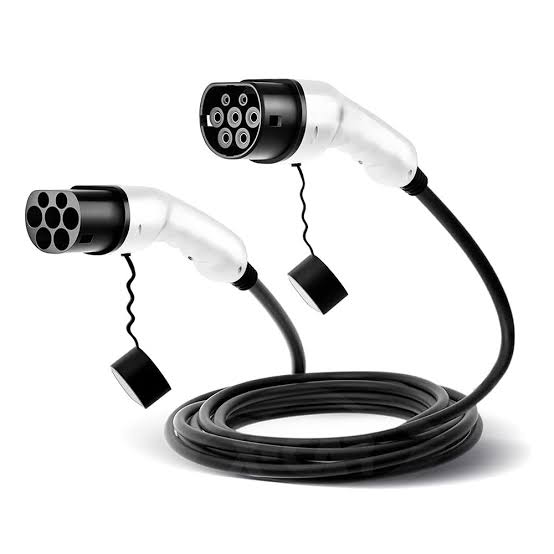
EV charging accessories can make charging more convenient, organized, and practical, but not every accessory is necessary for every electric vehicle owner. The right equipment depends on your vehicle, charger type, connector standard, parking arrangement, charging location, and how often you charge away from home.
Some accessories solve simple everyday problems, such as storing a charging cable neatly or keeping a connector protected when it is not being used. Others address compatibility between different connector types. There are also accessories that can improve cable management around a home charging station or commercial charging area.
This guide explains the most useful EV charging accessories, what each one does, when you may need it, and what to consider before buying or installing it. It also covers charging adapters, cable management, storage, connector protection, safety considerations, and accessories for different charging environments.
What Are EV Charging Accessories?
EV charging accessories are additional products or components designed to support the use, storage, organization, protection, or compatibility of an electric vehicle charging system.
The charging station itself provides the primary charging function, but accessories can make the overall setup easier to use. For example, a wall-mounted cable holder can keep a charging cable off the ground, while a compatible adapter can allow a vehicle to connect to certain charging equipment that uses a different connector.
The important distinction is that accessories should complement a properly designed charging system rather than compensate for an unsuitable charger, electrical installation, or connector.
Charging standards also vary by market. In North America, common connector systems include J1772, CCS1, and J3400/NACS, while other markets use standards such as Type 2 and CCS2. The Joint Office of Energy and Transportation notes that adapters can allow vehicles and charging equipment with different connector types to work together in certain circumstances, but compatibility depends on the specific vehicle, charger, and adapter.
Why EV Charging Accessories Matter
A basic charging setup may require very little beyond the charger and the appropriate connection to the vehicle. However, everyday use can reveal practical problems that accessories can solve.
Charging cables are relatively large, heavy electrical components. Leaving one on the ground can create a trip hazard and expose the cable or connector to unnecessary wear. A suitable cable management system can provide a designated route and storage location.
Connector protection is another consideration. Charging connectors are designed for repeated use, but keeping them properly stored when not connected can help prevent unnecessary exposure to dirt, moisture, impacts, and other environmental conditions.
Accessories can also improve convenience. A driver who regularly uses public charging stations may have different needs from someone who charges exclusively in a residential garage. Similarly, a business operating several charging stations may require more extensive cable management and protective equipment than a single-home installation.
The goal is not to purchase as many accessories as possible. It is to identify the practical problems in your charging routine and select equipment that addresses those problems without introducing compatibility or safety issues.
EV Charging Cables
The charging cable is one of the most important pieces of equipment associated with an EV charging system. Depending on the charger, the cable may be permanently attached to the charging equipment or may be detachable.
For portable and some AC charging applications, drivers may carry a separate charging cable. The cable must match the vehicle inlet and the charging equipment or outlet being used.
Cable specifications can differ in terms of connector type, electrical rating, length, and intended charging application. A longer cable may provide additional flexibility in a driveway or parking area, but it can also require more careful storage and cable management.
The connector is equally important. SAE J1772 is a recognized North American standard for conductive charging of electric vehicles and plug-in hybrid vehicles, while J3400 is the standardized connector based on the NACS design.
Before purchasing a replacement or additional cable, confirm the connector type and electrical requirements specified by the vehicle and charging equipment manufacturer.
Portable EV Charging Cables
Portable charging cables are useful for drivers who want charging flexibility at compatible electrical outlets or charging equipment.
Their usefulness depends heavily on the charging environment. A portable cable does not eliminate the need for a suitable electrical circuit, appropriate outlet, or compliant installation. It should be used according to the manufacturer’s instructions.
Portable equipment can be particularly useful for travel, temporary charging situations, or drivers who do not have a permanently installed charging station at every location where they park.
EV Charging Adapters
EV charging adapters are among the most important accessories to understand because connector compatibility is becoming increasingly relevant as charging standards evolve.
An adapter allows a vehicle to connect to charging equipment with a different connector configuration when the specific adapter and charging combination are supported.
For example, the transition toward SAE J3400/NACS in North America means some vehicles and charging stations may use different connector systems during the transition. The Joint Office advises that not all adapters are compatible with all vehicles or chargers and recommends using manufacturer-provided adapters when appropriate.
An adapter should therefore never be treated as a universal solution.
Before purchasing one, check:
- Vehicle make, model, and model year
- Vehicle charging inlet
- Charger connector
- AC or DC charging application
- Electrical rating
- Manufacturer compatibility requirements
- Applicable certification or safety requirements
The adapter’s physical shape is not enough to establish compatibility. Electrical characteristics and communication between the vehicle and charging equipment also matter.
J1772 Adapters
J1772 remains an important connector standard for AC charging in North America. Many Level 1 and Level 2 charging systems use J1772, while some vehicles use other connector systems and may require an appropriate adapter for certain charging situations.
The U.S. Department of Energy notes that Level 1 and Level 2 charging commonly use J1772, while J3400/NACS is also used for AC charging.
If your vehicle requires an adapter to connect to J1772 equipment, use one that is specifically approved or recommended for your vehicle and intended charging application.
NACS and J3400 Adapters
The North American charging landscape is changing as J3400/NACS becomes more widely adopted.
The SAE J3400 standard is based on the NACS connector and is intended to support broader interoperability across EVs and charging equipment. It can support both AC and DC charging applications.
During this transition, some EV owners may use adapters to access charging equipment with another connector type. However, compatibility must be checked carefully because an adapter designed for one charging application may not support another.
A particularly important distinction is between AC charging adapters and DC fast-charging adapters. They should not be assumed to be interchangeable.
EV Charging Cable Holders
Cable holders are simple accessories that can make a major difference in a home charging setup.
A wall-mounted cable holder gives the charging cable a dedicated storage position when the vehicle is not charging. This helps keep the cable organized and reduces the likelihood of it being left across a walkway or vehicle parking area.
A holder can also provide a convenient location for the charging connector. Instead of allowing the connector to hang from the charger or rest on the ground, it can be placed into a dedicated holster.
When selecting a cable holder, consider the size and weight of the cable, connector design, mounting surface, and location of the charger.
The holder should be positioned so the cable can reach the vehicle without excessive tension or sharp bends.
EV Charger Cable Management
Cable management becomes particularly important when the charging station is installed in an area shared with pedestrians, vehicles, or other equipment.
Good cable management can reduce unnecessary cable loops and keep the charging area more orderly. It can also help prevent people from stepping on or driving over charging equipment.
For home installations, cable management may consist of a wall-mounted hook, holster, or simple routing arrangement. Larger installations may use dedicated cable management systems designed for multiple charging ports.
The cable should not be forced into an excessively tight bend or stored in a way that places unnecessary stress on the connector or cable jacket.
A well-designed charging area should allow the driver to connect the vehicle without stretching the cable beyond its intended reach.
EV Charging Cable Storage Bags
A charging cable storage bag can be useful for drivers who regularly carry portable charging equipment.
A dedicated bag keeps the cable together with related accessories and reduces clutter in the vehicle. It can also prevent the cable from moving around the cargo area.
Storage bags vary considerably in size and construction. Before buying one, make sure it can accommodate the cable, connector, and any other equipment you intend to carry.
A storage bag is especially practical for drivers who use portable charging equipment while traveling or who regularly switch between different charging locations.
Connector Covers and Protective Caps
Protective caps can help keep charging connectors clean when they are not connected to a vehicle or charging station.
The usefulness of a cap depends on the connector design and the conditions in which the equipment is stored. Outdoor charging equipment may be exposed to dust, rain, snow, road debris, and other environmental conditions.
A protective cover should fit the connector correctly and should not interfere with the manufacturer’s intended use of the equipment.
It is also important to distinguish between protection for the connector itself and protection for the vehicle’s charging inlet. These are different components and should be treated according to their respective manufacturers’ instructions.
Wall-Mounted EV Charger Mounts
Wall-mounted accessories can improve the organization of a home charging area.
A charging station may already include a connector holster or cable management feature. If it does not, a compatible wall-mounted mount can provide a dedicated location for the connector and cable.
The mounting surface is an important consideration. A suitable accessory should be securely attached to a surface capable of supporting its weight and the forces created during normal use.
Avoid choosing a mount solely because it appears compatible based on connector shape. Verify dimensions, cable weight, mounting requirements, and compatibility with the charging equipment.
EV Charging Pedestals and Mounting Accessories
Not every charger can or should be mounted directly to a wall.
Parking areas, commercial properties, apartment communities, workplaces, and other locations may use pedestal-mounted charging equipment. Mounting accessories can include bases, posts, brackets, protective structures, and other hardware designed for a specific charger.
The mounting solution needs to match the charger and the installation environment.
For commercial or multifamily projects, installation requirements may involve electrical infrastructure, accessibility considerations, vehicle circulation, drainage, impact protection, and local regulations. These projects should be planned with qualified professionals rather than relying solely on consumer accessories.
EV Charger Cable Protectors
Cable protectors are designed to reduce exposure to physical hazards when a charging cable needs to cross an area where people or vehicles may travel.
They may be useful in certain temporary or controlled charging arrangements, but they should not be used as a substitute for proper charging-station placement and cable routing.
A charging cable should ideally be positioned so that it does not create a pedestrian or vehicle hazard in the first place.
Where cable routing presents a recurring problem, relocating or redesigning the charging installation may be a more appropriate solution than adding protective equipment.
EV Charging Accessories for Home Use
Home EV charging accessories are generally focused on convenience, organization, and protecting equipment.
A typical residential charging area may benefit from a connector holster, cable holder, storage solution, and suitable mounting hardware. Drivers who use portable charging equipment may also find a storage bag useful.
The exact setup depends on the location of the charger. A garage may require relatively little additional equipment because the charging cable is already protected from weather and traffic. An outdoor driveway may require more careful attention to cable routing, connector storage, and environmental exposure.
The charger itself remains the central component. Accessories should be selected after the vehicle, charger, electrical supply, and installation location have been properly considered.
For Level 2 home charging, the U.S. Environmental Protection Agency notes that installation commonly requires professional electrical work, particularly when a dedicated 240-volt circuit is needed.
EV Charging Accessories for Public Charging
Public charging presents a different set of requirements.
Drivers generally cannot control the charger design, cable length, parking layout, or connector configuration at a public station. As a result, portable accessories may be useful when they address a genuine compatibility need.
Adapters are the most significant example, particularly where connector standards differ between the vehicle and available charging equipment.
However, public charging does not mean drivers should carry an assortment of unverified adapters. Using an incompatible accessory can create charging problems or safety risks.
Instead, identify the charging networks and connector types commonly used along your regular routes and determine whether your vehicle already supports them directly.
For drivers looking for nearby charging locations, an EV charging directory can also help identify stations by location, charging type, connector, and other available information.
EV Charging Accessories for Businesses
Businesses installing EV chargers often need more than the charger itself.
A commercial charging area may require mounting hardware, cable management, bollards or other physical protection, signage, lighting, and equipment to organize multiple charging spaces.
The appropriate accessories depend on the property. A hotel may prioritize clean cable management and easy access for guests, while a workplace may need equipment designed for repeated daily use. A retail property may need to consider pedestrian movement and vehicle circulation around charging spaces.
Commercial charging accessories should therefore be considered as part of the overall site design rather than as isolated purchases.
Property owners planning an installation should also verify applicable electrical, accessibility, building, fire, and local requirements before selecting equipment.
EV Charging Accessories for Fleets
Fleet operators have additional considerations because charging equipment may be used more frequently than equipment at a typical residential property.
Fleet charging areas can benefit from durable cable management, organized connector storage, physical protection, and equipment designed for repeated use.
The charging accessories should support the fleet’s operating pattern rather than simply replicate a residential charging setup.
For example, a fleet depot may need a standardized approach to cable storage so drivers can quickly identify and return equipment after charging. Consistent organization can also make inspection and maintenance easier.
Charging Accessories and Connector Compatibility
Connector compatibility is one of the most important factors when selecting EV charging accessories.
A product can appear physically suitable while still being unsuitable for a particular vehicle or charging station. This is especially important for adapters because charging involves electrical power and communication between the vehicle and charging equipment.
The Joint Office specifically cautions that adapters are not universally compatible and recommends manufacturer-provided adapters where appropriate.
Before purchasing an accessory, identify the complete charging path:
Vehicle → vehicle inlet → adapter, if required → charging connector → EVSE → electrical supply
Each part of that chain needs to be compatible with the intended charging application.
Safety Considerations When Buying EV Charging Accessories
Charging accessories should be treated as electrical equipment, not ordinary automotive accessories.
This is especially important for adapters, cables, extension equipment, and components that carry charging current.
Avoid using accessories simply because they fit physically. Verify that the product is designed for the intended EV charging application and that it meets applicable safety and certification requirements.
Do not modify charging cables or connectors yourself unless the manufacturer specifically provides an approved procedure. Charging equipment can involve substantial electrical power, and improper modifications can create serious hazards.
In jurisdictions with specific EV charging regulations, additional restrictions may apply. For example, Singapore’s Land Transport Authority states that EV charging equipment must meet applicable requirements, and its guidance restricts certain uses of adapters and extension cords with EV chargers.
Local regulations should therefore always be checked before installing or using charging accessories.
Do You Need an EV Charging Extension Cord?
An extension cord may seem like an easy solution when a charging cable does not reach the vehicle.
However, EV charging is different from many ordinary household electrical applications. Charging equipment may draw substantial current for an extended period, making cable and connection suitability particularly important.
An extension cord should never be assumed to be safe simply because its plug fits the outlet.
The charger manufacturer’s instructions and applicable electrical requirements should determine whether an extension solution is permitted. In some jurisdictions, extension cords or adapters may be restricted or prohibited for certain EV charging applications.
If the charging cable consistently cannot reach the vehicle, changing the charger location or installing an appropriate charging solution may be safer than improvising with additional cable.
How to Choose the Right EV Charging Accessories
The best way to select EV charging accessories is to start with the problem you are trying to solve.
If the problem is a loose cable, a cable holder may be appropriate. If the connector does not match the charging equipment, an approved adapter may be necessary. If equipment is difficult to store, a dedicated storage solution can improve organization.
Consider the vehicle, charger, connector, charging environment, cable length, weather exposure, frequency of use, and installation requirements before purchasing anything.
Avoid buying accessories based solely on universal compatibility claims. Charging standards are evolving, and products that work for one vehicle or charger may not work for another.
Manufacturer documentation is one of the most reliable places to verify compatibility. When an accessory involves electrical connections, safety certification and applicable local requirements should also be considered.
Common Mistakes to Avoid
One common mistake is buying an adapter before identifying the exact vehicle and charger combination. Another is choosing a cable management product that cannot properly support the weight or dimensions of the charging cable.
Some drivers also purchase excessively long cables when a better charging-station location would solve the problem. Longer cables can be convenient, but they can also create additional storage and routing challenges.
Another mistake is treating charging accessories as universal products. Connector shape alone does not determine whether an accessory is appropriate.
Finally, accessories should not be used to bypass electrical or installation requirements. If the underlying charging setup is inadequate, adding another component rarely solves the root problem.
Where to Find EV Charging Stations and Compatible Charging Options
Accessories can improve the charging experience, but drivers still need convenient access to compatible charging locations.
When planning trips, consider the connector supported by your vehicle, the charging speed available at the station, and whether the location fits your route and parking needs.
An EV charging directory can make this process easier by organizing charging locations by city, state, ZIP code, network, connector, or charging category. These location pages can be particularly useful when planning regular routes or identifying charging options near a destination.
For example, a driver researching charging options in a particular city can move from a general guide to a city charging page, then review individual station information before deciding where to stop.
This creates a practical connection between charging knowledge and real-world charging access.
How EV Charging Accessories Are Evolving
The accessory market is changing alongside the EV charging industry.
One of the most visible developments is the increasing importance of connector interoperability. In North America, the transition toward J3400/NACS means adapters and compatibility considerations are becoming increasingly relevant for some drivers.
At the same time, charging equipment is becoming more integrated into residential, commercial, workplace, and fleet environments. This increases the importance of practical accessories such as cable management, connector storage, mounting systems, and physical protection.
The long-term trend is toward simpler charging experiences, but the transition between standards means buyers should continue to verify compatibility rather than assuming that every accessory will work across every vehicle and charger.
Final Thoughts on EV Charging Accessories
The right EV charging accessories can make charging more organized, convenient, and practical, but they should be selected based on the actual charging environment rather than purchased simply because they are marketed for electric vehicles.
Cable holders, connector holsters, storage bags, mounting hardware, protective equipment, and compatible adapters can all have useful roles. The most important consideration is matching each accessory to the vehicle, charger, connector, electrical application, and local requirements.
For home charging, start with cable organization and safe storage. For public charging, focus on connector compatibility and approved adapters where necessary. For commercial and fleet installations, consider accessories as part of the broader charging-site design.
Once the charging setup is understood, exploring nearby charging stations and location-based EV charging pages can help turn the information into a practical charging strategy.
No reviews yet — be the first to share your experience.