
How Much Does Tesla Supercharging Cost in 2026? A Complete Pricing Guide
By Staff Writer · October 16, 2026
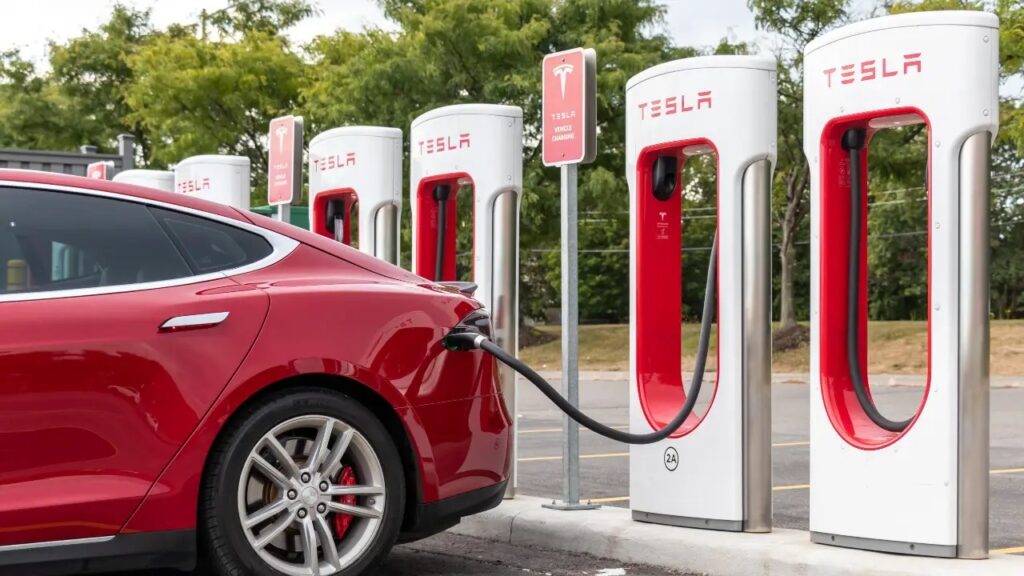
Tesla Supercharging offers a convenient way to recharge an electric vehicle during road trips, long commutes, and days when home charging is impractical. However, Tesla Supercharging cost in 2026 varies by location, charging time, vehicle, and local pricing structure. There is no single nationwide rate that applies to every Supercharger station.
Tesla displays site-specific prices through its vehicle navigation system and mobile app, allowing drivers to check the cost before plugging in. Some locations charge by kilowatt-hour (kWh), while others use time-based billing. Peak and off-peak rates, congestion fees, and idle fees can also affect the final bill.
This guide explains how Tesla Supercharger pricing works, how to estimate the cost of a charging session, how Supercharging compares with home charging, and which practical steps can help drivers spend less in 2026.
How Much Does Tesla Supercharging Cost in 2026?
The cost of charging a Tesla at a Supercharger depends primarily on the rate displayed at the station and the amount of energy needed to recharge the battery. Tesla does not publish one universal price for all Supercharger locations. Rates can differ between nearby stations and may change over time.
For drivers in the United States, the most useful starting point is the price per kWh displayed in the Tesla app or the vehicle’s navigation system. If a station uses time-based billing, the charging speed and applicable price tier become important instead.
A simple way to estimate the cost of a charging session is:
Charging cost = Energy added (kWh) × Price per kWh
For example, if your Tesla adds 50 kWh at a hypothetical rate of $0.40 per kWh, the energy charge would be $20 before any additional applicable fees.
This is an illustrative calculation, not a quoted 2026 Supercharger rate. Always check the actual price for your intended location and charging time.
What determines Tesla Supercharger prices?
Several factors can influence the price you pay:
- Location: Rates vary by Supercharger site and local market.
- Time of day: Some stations offer different prices during peak and off-peak periods.
- Demand and occupancy: Certain sites use live pricing based on utilization.
- Billing method: A station may bill by energy delivered or charging time.
- Additional fees: Congestion or idle fees can increase the total cost.
The rate applicable to a charging session is determined when the vehicle plugs in and does not change during that session if the displayed rate subsequently changes. Checking the price before connecting is therefore an important part of managing charging expenses.
Tesla Supercharging Cost Per kWh Explained
The price per kWh is one of the most useful measures for comparing public EV charging costs. A kilowatt-hour represents a unit of electrical energy, and an electric vehicle’s battery capacity is commonly measured in kWh.
When a Supercharger bills by energy, you generally pay for the electricity delivered to the battery as measured for billing purposes. The total depends on how much energy you add and the site’s applicable rate.
For example, consider a charging session that adds 40 kWh. The following examples show how the energy charge changes with different hypothetical prices.
| Illustrative price per kWh | Cost to add 40 kWh |
| $0.25 | $10 |
| $0.35 | $14 |
| $0.45 | $18 |
| $0.55 | $22 |
These figures are examples for budgeting, not verified rates at specific Supercharger locations in 2026. Actual prices may fall outside this range.
Why two Tesla drivers may pay different amounts
Two drivers can use the same vehicle model and add similar amounts of energy yet pay different totals if they charge at different locations or during different pricing periods.
Battery size also affects the cost of a substantial recharge. A vehicle with a larger battery generally needs more energy to move from a low state of charge to the same percentage as a smaller-battery vehicle. The amount of energy added, rather than the displayed battery percentage alone, is the better starting point for estimating cost.
Drivers should also distinguish between battery capacity and energy added during a session. A vehicle arriving with 35% charge and leaving at 80% does not receive 80% of its battery capacity in electricity; it receives only the energy needed to bridge that difference, subject to the vehicle’s usable battery capacity and charging losses.
How Much Does It Cost to Charge Different Tesla Models?
The cost of a Tesla Supercharging session depends more on the energy added and the applicable station rate than on the vehicle’s model name alone. Model 3, Model Y, Model S, and Model X vehicles have different battery configurations, efficiencies, and charging characteristics, so their charging expenses can vary.
A useful way to compare models is to estimate the energy required for your particular trip rather than assume every session fills the battery completely.
Tesla Model 3
The Model 3 is an efficient electric sedan, although its battery size, version, driving conditions, and energy consumption vary. A driver who adds a modest amount of energy during a road trip will generally pay less than one who adds substantially more energy at the same rate.
For a realistic estimate, use the vehicle’s energy consumption and the distance you need to cover, then compare that estimate with the Supercharger’s displayed price.
Tesla Model Y
The Model Y is a popular electric SUV, but the cost of Supercharging depends on the particular version, wheel configuration, driving conditions, and amount of energy added. Highway speeds, cold weather, elevation changes, and cabin heating can increase energy consumption and therefore raise charging expenses over a journey.
Drivers planning longer trips should use Tesla’s navigation system to estimate charging stops and review each station’s pricing before arrival.
Tesla Model S and Model X
The Model S and Model X have different battery configurations and energy-consumption characteristics from the Model 3 and Model Y. Depending on the version and driving conditions, they may need more energy to cover a given distance.
The best comparison is to calculate the cost of adding the same amount of energy or the cost of covering the same distance. Comparing only the price of a full charge can be misleading because battery capacities differ.
How Tesla Supercharger Peak and Off-Peak Pricing Works
Some Tesla Supercharger locations use time-of-use pricing. At these stations, electricity costs more during designated peak periods and less during designated off-peak periods. Other locations may adjust prices according to live station utilization rather than a fixed daily schedule.
This means that the same charging stop can have different costs depending on when you plug in.
How to find cheaper charging periods
Open the charging location in your Tesla’s navigation system or the Tesla app and review the listed prices and any peak-time information. If the station offers lower off-peak rates and your schedule allows flexibility, shifting your charging session may reduce your bill.
However, a lower rate is not always worth a significant detour or delay. Compare the potential savings with the additional driving distance, travel time, and energy required to reach an alternative station.
Tesla also uses live pricing at selected sites, where prices may respond to charger availability. At these locations, checking the price immediately before starting the session is particularly useful. The rate shown when you plug in applies throughout the session, even if the displayed price changes afterward.
Tesla Supercharging Membership: Is It Worth It in 2026?
Tesla’s Supercharging Membership is primarily relevant to drivers of other electric vehicle brands who access compatible Supercharger locations through the Tesla app. Membership can provide eligible non-Tesla EV drivers with the Tesla-vehicle charging price at participating sites.
Tesla owners do not need to buy this membership to receive Tesla-vehicle pricing for their own Tesla. However, a Tesla owner who also charges a compatible non-Tesla EV may find membership useful for that other vehicle.
How to decide whether membership saves money
Compare the membership fee with the difference between the standard rate for your non-Tesla vehicle and the eligible Tesla-vehicle rate.
For example, if membership hypothetically saves $0.10 per kWh and you charge 100 kWh per month at eligible stations, the gross savings would be $10. If the monthly membership fee were $10, the savings would break even before considering any other factors.
This example illustrates the calculation only; verify the current membership fee and applicable prices in the Tesla app.
Membership is more likely to make sense for drivers who use compatible Superchargers frequently. Occasional users may find that paying the standard rate without a recurring membership costs less overall.
Tesla Supercharger Idle Fees and Congestion Fees
The energy charge is not necessarily the final amount on a Supercharging bill. Depending on the location and circumstances, Tesla may apply idle or congestion fees when a vehicle continues occupying a charging stall after charging is complete or after a specified congestion threshold is reached.
These fees are designed to make charging stalls available to other drivers. They can apply even when a vehicle has free Supercharging benefits.
What are Tesla Supercharger idle fees?
Idle fees apply when a vehicle remains connected after its charging session has finished and the site meets Tesla’s applicable occupancy conditions. Tesla’s fee policy provides a five-minute grace period before an applicable idle fee begins. Fees can increase when station occupancy is particularly high.
What are Tesla Supercharger congestion fees?
Congestion fees can apply at designated busy stations when the vehicle reaches the site’s specified battery charge threshold or its charging session ends. Tesla notifies drivers through the vehicle touchscreen and app when these fees may apply.
The exact threshold and applicable fee depend on the site and region. In some locations, congestion fees can begin while a vehicle is still actively charging, unlike idle fees, which apply after charging has finished.
How to avoid additional fees
Set a practical charge limit before starting, monitor charging progress through the Tesla app, and move your vehicle promptly when charging is complete. For many road trips, charging only to the level needed to reach the next stop is more practical than waiting for the battery to reach 100%.
Before charging at an unfamiliar site, review its fee information in the vehicle navigation system or app. This is especially important at busy highway locations where stall availability can change quickly.
Tesla Supercharging vs. Home Charging: Which Is Cheaper?
For drivers who can charge at home, home charging is often the more economical option for routine driving. Supercharging offers faster charging and greater convenience on longer journeys, but public fast-charging rates can be higher than residential electricity rates.
Tesla recommends Superchargers primarily for long-distance travel, while home charging is a practical option for everyday driving.
Comparing charging costs
The following hypothetical example illustrates how charging expenses can differ depending on where you charge.
| Charging method | Example rate | Cost to add 50 kWh |
| Home charging | $0.15/kWh | $7.50 |
| Public Supercharging | $0.40/kWh | $20.00 |
| Other public fast charging | $0.45/kWh | $22.50 |
These are illustrative rates, not current national averages or verified prices from particular providers. Actual costs depend on your electricity tariff, location, charging network, and any additional fees.
In this example, home charging costs $12.50 less than Supercharging for the same 50 kWh of energy. However, home charging may require installing a dedicated charging unit, and installation costs should be considered separately when comparing long-term ownership expenses.
When is Supercharging worth the extra cost?
Supercharging can be worthwhile when you need to travel long distances, cannot charge at home, or need to recharge quickly between appointments. Its value also depends on the alternatives available along your route.
For drivers without a driveway or private parking space, public charging may be an essential part of EV ownership. Comparing nearby charging locations can help identify options that balance price, speed, availability, and convenience.
How to Find Tesla Supercharger Prices Before You Arrive
Checking the price before you reach a station is one of the simplest ways to avoid unexpected charging expenses.
Tesla provides location-specific pricing through its vehicle navigation system and mobile app. The displayed information can include the applicable charging rate and peak or off-peak periods where available.
Check prices in the Tesla app
Open the Tesla app and locate a Supercharger site on the map. Select the location to review available information, including pricing and station availability where provided.
For Tesla vehicles, the navigation system can also help plan a route with suitable charging stops. Enter your destination and use the vehicle’s Trip Planner to identify Superchargers along the journey.
Before starting a session, confirm the price displayed for the selected location. If multiple stations are available nearby, compare their rates and consider the additional distance required to reach each one.
Review your charging history
After a charging session, you can review the associated costs in the Tesla app. Open the app menu, select Charging, and then choose Charging History. Invoice downloads may also be available.
Reviewing several sessions can help you understand your average cost per kWh, identify expensive charging periods, and estimate a realistic monthly Supercharging budget.
Explore charging directories for alternatives
An EV charging directory can help drivers compare public charging locations by area, charging network, connector compatibility, and charging category. This is useful when planning a road trip or looking for alternatives near a destination.
When exploring a directory, verify the actual price, operating status, connector compatibility, and payment requirements with the charging provider before travelling. A directory listing should be treated as a starting point rather than a guarantee of live pricing or availability.
How to Reduce Your Tesla Supercharging Costs in 2026
You do not need to avoid Superchargers to manage charging expenses. A few changes to your charging routine can make a meaningful difference over time.
First, compare the rates at nearby stations before plugging in. When lower off-peak pricing is available, consider charging during those periods if doing so fits your schedule.
Second, use home charging for regular driving whenever it is practical and economical. Saving Supercharging for road trips or situations that require faster charging can reduce reliance on public fast-charging rates.
Third, charge only as much as you need for the next leg of your journey. Charging speeds generally slow as the battery fills, so reaching 100% can take considerably longer than reaching 80%. Your ideal charge target depends on your route, weather, and access to the next charging stop.
Finally, monitor the Tesla app so you can move your vehicle promptly when charging finishes. This helps avoid applicable idle or congestion fees and makes the station available for other drivers.
Making the Most of Your Tesla Charging Budget
Tesla Supercharging costs in 2026 depend on where and when you charge, how much energy your vehicle needs, and whether additional fees apply. Rather than relying on a national price estimate, check each station’s current rate and compare it with the cost of charging at home or using alternative public chargers.
For everyday journeys, home charging may offer better value where available. For longer trips, Superchargers provide a convenient way to replenish your battery and continue travelling. Combining advance route planning, price checks, sensible charging targets, and timely vehicle removal can help you balance cost and convenience throughout the year.
Frequently Asked Questions
How much does Tesla Supercharging cost per kWh in 2026?
There is no single price per kWh for all Tesla Supercharger stations. Rates vary by location and may change according to peak periods or live station utilization. Check the Tesla app or vehicle navigation system for the current price at your chosen site.
Is Tesla Supercharging more expensive than charging at home?
It often costs more per unit of energy than home charging, depending on your local electricity tariff and the Supercharger's rate. However, home charging equipment and installation can involve additional upfront costs. Compare both energy prices and any relevant equipment expenses to understand the total cost.
Does Tesla charge different prices at different times of day?
Yes. Certain Supercharger locations offer peak and off-peak pricing, while selected sites use pricing based on live station utilization. Check the station's displayed rate before connecting.
Does a Tesla Supercharging Membership save money?
A Supercharging Membership can reduce charging costs for eligible non-Tesla EV drivers using participating Supercharger sites through the Tesla app. Tesla owners do not need a membership for their own Tesla vehicles. Whether membership is worthwhile depends on the current fee, the applicable rate difference, and how often you charge.
Can Tesla Supercharging cost more than the displayed electricity charge?
Yes. Depending on the location and circumstances, idle fees or congestion fees may apply. These are separate from the energy charge and can increase the final bill. Check the station's fee information and move your vehicle promptly when charging finishes.
Is it cheaper to charge a Tesla to 80% or 100%?
Charging to 80% usually takes less time than charging to 100%, because charging speed typically decreases as the battery fills. The cost depends on the amount of energy added and the applicable rate. For road trips, charging to 80% or another suitable target may be more practical than waiting for a full battery.
How do I check my Tesla Supercharging bill?
Open the Tesla app, select the menu, choose Charging, and open Charging History. You can review past sessions and download available invoices. Your charging payment is processed through the designated payment method in the app.
Can non-Tesla electric vehicles use Tesla Superchargers?
Yes, at compatible locations. Access depends on the vehicle, connector or approved adapter, and whether Tesla has opened the site to that vehicle. Drivers should check compatibility and pricing through the Tesla app before travelling.
No reviews yet — be the first to share your experience.