
How Much Does EV Charger Installation Cost?
By Staff Writer · September 9, 2026
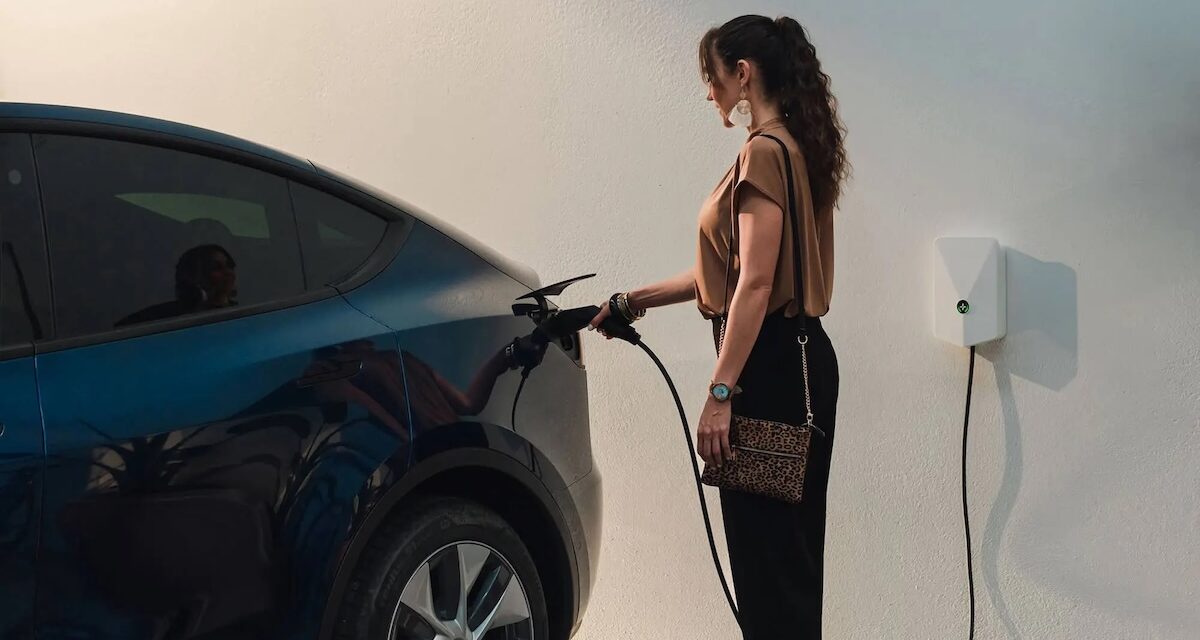
The cost of installing an EV charger depends on far more than the price of the charger itself. Homeowners may need to pay for electrical labor, a dedicated circuit, permits, or upgrades to the existing electrical system, while commercial projects can involve much more extensive infrastructure. A simple installation can be relatively straightforward when the electrical panel is close to the parking space and has sufficient capacity. More complicated projects can become considerably more expensive when they require panel upgrades, long conduit runs, trenching, or additional electrical equipment. Understanding the different components of EV charger installation cost can help you create a realistic budget, compare quotes, and choose the right charging solution for your property.
What Is the Average EV Charger Installation Cost?
There is no single installation price that applies to every EV owner. The total cost depends primarily on the type of charger, the property’s electrical infrastructure, the distance between the electrical panel and parking location, and local labor and permitting requirements.
For a residential installation, the cost can generally be divided into two major categories: the charging equipment and the installation work. A homeowner purchasing a Level 2 charger may pay separately for the unit and the electrician’s work required to connect it safely to the home’s electrical system.
A basic installation can be relatively straightforward when a suitable electrical panel is nearby. However, costs can rise significantly when the electrician needs to install a new circuit, upgrade the electrical panel, run conduit over a long distance, drill through walls, or trench underground.
Commercial installations have a much wider cost range because the project may involve several charging stations, upgraded electrical distribution, networking equipment, concrete work, signage, permitting, and utility coordination.
For that reason, the most useful way to estimate EV charger installation cost is to understand what goes into the project rather than relying on one national average.
What Does a Home EV Charger Installation Cost?
Home EV charger installation is usually the most straightforward type of charging project. Most homeowners installing a dedicated charger choose a Level 2 system because it can provide substantially faster charging than a standard household outlet.
A Level 2 installation generally requires a 240-volt circuit and appropriate electrical protection. An electrician will evaluate the electrical panel, determine the appropriate circuit size based on the charger and local requirements, route wiring to the charging location, install the equipment, and test the completed system.
If the electrical panel already has sufficient capacity and the garage or parking space is close to it, installation can be relatively simple. If the panel is located on the opposite side of the house or the charger needs to be installed outdoors, additional labor and materials may be necessary.
Homeowners should therefore ask for an itemized quote rather than assuming that the advertised price of a charger represents the complete installation cost.
Level 1 vs. Level 2 Installation Costs
The type of charging equipment has a major effect on installation requirements.
Level 1 Charging
Level 1 charging typically uses a standard household electrical outlet and may not require the installation of a dedicated EV charging circuit if an appropriate existing outlet is available.
Because the electrical requirements are relatively simple, installation costs can be minimal. However, Level 1 charging is considerably slower than Level 2 charging and may not provide enough daily range for drivers with longer commutes.
Level 2 Charging
Level 2 charging generally requires a dedicated 240-volt circuit. This makes installation more involved than simply plugging a vehicle into a standard household outlet.
The electrician may need to install new wiring, circuit protection, conduit, and the charger itself. The exact requirements depend on the property’s electrical system and the charger’s specifications.
For many EV owners, Level 2 provides a practical balance between installation complexity and charging performance, particularly when the vehicle is parked at home for several hours each day.
What Is Included in EV Charger Installation?
When comparing installation quotes, it is important to understand exactly what the installer is providing.
A standard residential installation may include an assessment of the electrical system, mounting the charger, installing a dedicated circuit, running wiring, connecting the charger, and testing the system.
Depending on the property, the quote may also include permitting and inspection coordination. However, these services are not automatically included by every installer.
Some quotes may cover only the electrician’s labor, leaving the homeowner responsible for purchasing the charging equipment. Others may provide a complete package that includes the charger, installation, permits, and related electrical materials.
Always ask the installer to specify what is included before approving the work.
Factors That Increase EV Charger Installation Cost
Several site-specific conditions can make an installation more expensive.
Electrical Panel Capacity
Your electrical panel needs to have enough capacity to support the new EV charging circuit while maintaining a safe electrical system.
If the panel is already heavily loaded, an electrician may recommend an electrical service or panel upgrade. This can add substantially to the project cost compared with a straightforward installation.
An electrician should evaluate the existing system before determining whether an upgrade is necessary.
Distance From the Electrical Panel
The farther the charger is from the electrical panel, the more wiring and conduit may be required.
A charger installed immediately beside or near the panel can require relatively little additional material. A charger installed at the opposite end of a garage, on an exterior wall, or in a detached garage may require considerably more work.
The physical layout of the property is therefore one of the most important factors affecting installation pricing.
Indoor vs. Outdoor Installation
Installing a charger inside an attached garage can be simpler than installing one outdoors.
Outdoor installations may require weather-appropriate equipment, additional conduit, mounting hardware, and different routing considerations. The installer also needs to ensure that the completed installation meets applicable electrical and safety requirements.
Trenching and Underground Wiring
A detached garage or parking area can present a more complicated installation challenge.
If wiring needs to travel underground, the project may require trenching, conduit, excavation, restoration, or other site work. These costs can quickly make an installation more expensive than a typical garage installation.
Permits and Inspections
Local authorities may require permits and inspections for EV charger installations, particularly when new electrical circuits or service modifications are involved.
Permit requirements and fees vary by jurisdiction. A professional installer should be able to explain which permits are required and whether permit-related costs are included in the quote.
How Much Does a 240V EV Charger Installation Cost?
A 240V EV charger installation is commonly associated with Level 2 home charging.
The total cost depends on the distance from the electrical panel, the available panel capacity, wiring requirements, installation location, and local labor rates. If the electrical panel can accommodate the new circuit and the charger is installed nearby, the project may be relatively simple.
However, a 240V installation can become more expensive if the electrician needs to upgrade the panel, install additional electrical equipment, route wiring through finished areas, or perform extensive exterior work.
The charger itself should also be considered separately from installation labor. Two homeowners purchasing identical charging equipment can receive very different installation quotes because their properties have different electrical layouts.
How Much Does Commercial EV Charger Installation Cost?
Commercial EV charger installation is substantially more variable than residential installation.
A business installing one or two Level 2 chargers may have a relatively straightforward project. A larger property installing multiple chargers may require electrical distribution upgrades, load management, networking, parking modifications, trenching, signage, and other infrastructure.
Fleet operators face additional considerations because charging needs are determined by vehicle numbers, operating schedules, parking patterns, and required turnaround times.
DC fast chargers can also require significantly more electrical infrastructure than typical AC Level 2 equipment. Businesses considering fast charging should therefore conduct a detailed site assessment before establishing a project budget.
EV Charger Hardware vs. Installation Labor
One of the most common mistakes when budgeting for EV charging is focusing only on the charger price.
The charging unit is just one part of the project. Installation may require electrical cable, conduit, breakers, disconnects, mounting equipment, networking components, concrete work, or other materials depending on the site.
Labor is another significant component. Electricians need to evaluate the property, install the equipment according to applicable electrical requirements, and test the completed system.
When comparing two charger installation quotes, make sure both companies are pricing comparable scopes of work. A lower quote may exclude permits, electrical upgrades, materials, or other necessary work.
Can an EV Charger Installation Require an Electrical Panel Upgrade?
Yes. An electrical panel upgrade may be necessary if the existing system does not have adequate capacity for the additional EV charging load.
However, a panel upgrade is not automatically required for every EV charger installation. The appropriate solution depends on the property’s existing electrical service, current loads, charger requirements, and applicable electrical rules.
An electrician should perform a load evaluation before recommending an upgrade. In some situations, an alternative charging configuration or load-management solution may avoid the need for a major electrical upgrade.
This is one reason why a professional site assessment is valuable before purchasing equipment.
Does Charger Power Affect Installation Cost?
It can.
Higher-powered charging equipment can place greater demands on the electrical system and may require larger circuits or additional infrastructure. A residential Level 2 charger generally has much different electrical requirements from a commercial DC fast charger.
The goal should not necessarily be to install the highest-powered charger available. Instead, the charger should match the vehicle’s capabilities, daily driving needs, property electrical capacity, and budget.
Installing more charging power than you can practically use may increase project costs without delivering a meaningful benefit.
Are There Additional EV Charger Installation Costs?
The initial installation quote may not represent every cost associated with owning and operating an EV charger.
Potential additional expenses can include electrical upgrades, permits, inspections, network connectivity for smart chargers, maintenance, repairs, and replacement equipment over time.
Commercial charging sites may have additional operating expenses associated with payment processing, charging management software, networking, signage, and ongoing maintenance.
Homeowners should also consider whether their utility offers special EV electricity rates or charging programs, although availability varies by utility and location.
How to Get an Accurate EV Charger Installation Quote
The best way to determine your actual EV charger installation cost is to obtain a site-specific quote from a qualified electrician or EV charging installer.
Before requesting quotes, identify where you want the charger installed and determine which charging equipment you are considering. If you already own an EV, the vehicle manufacturer’s charging specifications can help establish an appropriate charger type and power level.
Ask each installer to explain the proposed electrical work and provide a clear breakdown of equipment, labor, permits, materials, and potential additional charges.
It is also useful to ask whether the quoted price assumes that the existing electrical panel has sufficient capacity. This can help prevent unexpected expenses after work begins.
How to Compare EV Charger Installation Companies
Price should not be the only factor when selecting an installer.
Look for an appropriately licensed and insured electrician with experience installing EV charging equipment. For larger projects, ask about previous commercial or fleet installations that are similar to your property.
A good installer should be able to explain the electrical requirements in understandable terms and identify potential complications before starting work.
You should also ask about workmanship warranties, charger compatibility, permitting responsibilities, and what happens if additional electrical work becomes necessary.
Can You Install an EV Charger Yourself?
Some EV charging equipment is designed to be relatively simple to use, but hardwired Level 2 installations and other higher-powered charging systems involve electrical work that may require a qualified professional.
The installation must comply with applicable electrical requirements and the equipment manufacturer’s instructions. Incorrect wiring or inadequate protection can create serious safety risks.
For this reason, homeowners should determine local requirements and consult a qualified electrician rather than assuming that every EV charger can be installed as a do-it-yourself project.
How Long Does EV Charger Installation Take?
A straightforward home installation can often be completed relatively quickly when the electrical panel is suitable and the charger is located nearby.
More complicated projects can take longer, particularly when they involve panel upgrades, trenching, extensive wiring, permits, or inspections.
Commercial projects typically require more planning and may take considerably longer because multiple stakeholders, utility requirements, construction work, and equipment commissioning can be involved.
The installer should provide an expected project timeline after evaluating the property.
How to Keep EV Charger Installation Costs Under Control
The most effective way to control installation costs is to plan the project around your actual charging needs.
Choose a charger that matches your vehicle and daily driving requirements rather than automatically selecting the highest available power. Positioning the charger relatively close to the electrical panel can also reduce wiring and labor requirements when the property layout allows it.
Getting several detailed quotes can help identify unusually high labor or material charges. However, the cheapest quote is not necessarily the best value if it excludes important work or comes from an installer without appropriate experience.
Planning for future EV ownership can also be worthwhile. If you expect to add another electric vehicle or additional charging equipment later, discuss this with the electrician before installation.
Final Thoughts
EV charger installation cost depends heavily on the property, charger type, electrical system, and complexity of the installation. A simple home Level 2 project can be very different from a commercial charging deployment or a site requiring major electrical upgrades. Before purchasing equipment, have a qualified installer evaluate the property and provide a detailed quote covering labor, materials, permits, and any potential electrical work. Comparing several qualified installers can help you find the right balance between price, safety, charging performance, and long-term reliability. For EV owners and businesses alike, careful planning is the best way to avoid unexpected costs and build a charging system that meets current and future needs.
No reviews yet — be the first to share your experience.