
EV Charging Cables, Adapters and Accessories Explained
By Staff Writer · September 19, 2026
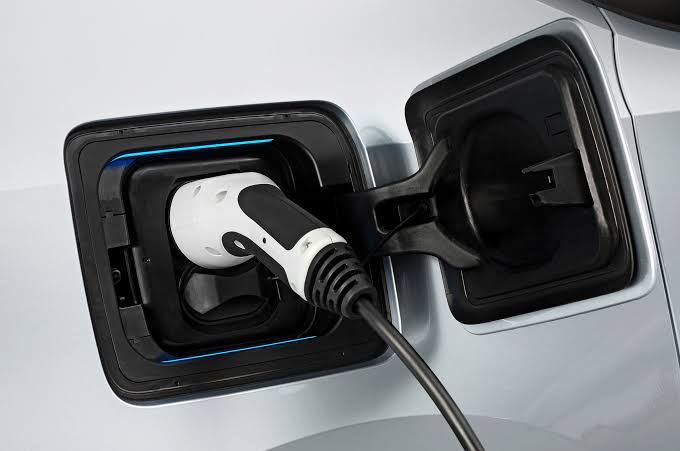
EV charging cables, adapters, and accessories are essential parts of the electric vehicle charging experience, but they can also be confusing. Different vehicles and charging stations use different connector types, charging methods, power levels, and cable configurations. An accessory that works with one EV may not be appropriate for another.
Understanding the difference between a charging cable and an adapter is the first step. It is equally important to know when you need a portable charging cable, how connector standards such as J1772, CCS, J3400/NACS, and Type 2 fit into the picture, and which accessories can make charging more convenient.
This guide explains EV charging cables, adapters, and accessories in practical terms. It covers how they work, where they are used, compatibility considerations, home charging, road trips, cable management, storage, and common mistakes to avoid.
What Are EV Charging Cables, Adapters and Accessories?
EV charging equipment can be divided into several basic categories.
A charging cable carries electricity between the charging equipment and the vehicle. Depending on the charging system, the cable may be permanently attached to the charger or detachable.
An adapter changes the physical connector interface so that compatible equipment with different connector configurations can be connected. An adapter does not automatically make incompatible charging systems work together.
Accessories are additional items that support charging without necessarily carrying charging current. Examples include cable holders, connector holsters, storage bags, mounting equipment, and cable-management products.
Understanding these distinctions makes it easier to determine what you actually need.
A driver who has a permanently installed home charger may need little additional equipment. Someone who regularly travels long distances may benefit from carrying additional charging equipment or a compatible adapter.
How EV Charging Cables Work
An EV charging cable provides the physical and electrical connection between the vehicle and charging equipment.
The cable contains conductors for transferring electrical power and other components needed for communication and safety functions, depending on the charging system.
The cable’s connector must match the charging inlet or be connected through an appropriate compatible adapter.
Charging cables also have electrical ratings. The maximum charging capability of a system is determined by the combination of the vehicle, charging equipment, electrical supply, and cable or connector specifications.
This means that simply purchasing a cable advertised as “high power” does not necessarily make an EV charge faster. The vehicle and charger ultimately determine how much power can be accepted and delivered.
AC Charging Cables vs. DC Charging Cables
One of the most important distinctions is between AC and DC charging.
With AC charging, alternating current from the electrical supply is delivered to the vehicle’s onboard charger, which converts it to the DC electricity used by the battery.
With DC fast charging, the charging equipment performs the power conversion before electricity reaches the vehicle. This allows the vehicle to receive DC power directly through the appropriate charging connection.
Because the systems work differently, AC and DC charging connectors and cables should not be treated as interchangeable.
A cable or adapter designed for one charging application may not be suitable for another.
What Is a Portable EV Charging Cable?
A portable EV charging cable is charging equipment designed to be carried and used in different locations.
Depending on the product and vehicle, portable charging equipment may connect to a standard electrical outlet, a higher-capacity outlet, or another compatible power source.
Portable equipment can be useful for travel, temporary charging, or locations where a permanently installed charging station is unavailable.
However, portable charging equipment still requires a suitable electrical supply. An ordinary household outlet should not automatically be assumed to be appropriate for EV charging simply because the plug fits.
The equipment manufacturer’s instructions and applicable electrical requirements should always be followed.
EV Charging Cable Connector Types
The connector is one of the most important parts of an EV charging cable because it determines whether the cable can physically and electrically connect to the vehicle or charging equipment.
Different markets use different standards.
In North America, J1772 has traditionally been widely used for AC charging, while CCS1 has been used for DC fast charging. J3400, based on the NACS connector, is now an important standardized connector for both AC and DC charging applications.
In Europe and many other markets, Type 2 is widely used for AC charging and CCS2 is commonly used for DC fast charging.
The charging infrastructure in a particular country determines which connector types drivers are likely to encounter.
J1772 Charging Cables Explained
J1772 is a widely used North American standard for conductive charging of electric vehicles and plug-in hybrid electric vehicles.
It is commonly associated with AC Level 1 and Level 2 charging.
A vehicle with a J1772 charging inlet can connect directly to compatible J1772 charging equipment without an adapter.
Some vehicles use another connector standard and may rely on a suitable adapter to access J1772 AC charging equipment.
The SAE J1772 standard specifies the conductive charging coupler and related requirements for compatible charging applications.
CCS Charging Cables Explained
CCS, or Combined Charging System, extends an AC charging connector design to support DC fast charging.
In North America, CCS1 combines the J1772-style upper portion with additional DC power contacts. CCS2 performs a similar function using the Type 2 connector design used in many other markets.
The additional DC contacts allow the vehicle to receive direct-current power from compatible fast-charging equipment.
CCS should not be confused with J1772 alone. A J1772 connector is associated with AC charging, while a CCS connector supports the additional connection required for DC fast charging.
NACS and J3400 Charging Cables Explained
J3400 is the SAE standard associated with the connector commonly known as NACS.
The connector is designed for both AC and DC charging applications.
Its increasing adoption in North America means EV owners may encounter more vehicles and charging stations using J3400/NACS connectors.
The Joint Office of Energy and Transportation explains that connector standards are part of a broader effort to improve charging interoperability.
During the transition between connector standards, adapters can play a role for some vehicles and charging networks. However, compatibility must be verified for the specific vehicle and charging equipment.
Type 2 Charging Cables Explained
Type 2 is a common AC charging connector in Europe and several other markets.
It is widely used for Level 2-equivalent AC charging applications and is also incorporated into CCS2 connectors for DC fast charging.
Type 2 cables can be detachable or permanently attached depending on the charging equipment.
Drivers should confirm whether their vehicle requires a Type 2 cable with a specific connector arrangement, particularly when charging from equipment where the cable is not permanently attached.
What Is an EV Charging Adapter?
An EV charging adapter is a device that connects two different connector configurations when the vehicle, charging equipment, and adapter are designed to work together.
Adapters can be useful because EV charging standards are not identical across all vehicles and charging networks.
However, an adapter should never be selected solely because the plugs physically fit.
Charging involves electrical power and communication between the vehicle and charging equipment. An adapter needs to support the specific charging application and electrical requirements.
The Joint Office specifically notes that charging adapters are not universally compatible and recommends checking compatibility for the vehicle and charging equipment involved.
When Do You Need an EV Charging Adapter?
You may need an adapter when your vehicle and the charging station use different connector systems but the manufacturer supports an adapter for that combination.
For example, a vehicle with one connector type may be able to access compatible charging equipment using another connector through an approved adapter.
You generally do not need an adapter when the vehicle and charging equipment already use matching connectors.
Before purchasing an adapter, identify:
- The connector on your vehicle.
- The connector on the charging station.
- Whether the application is AC or DC.
- The electrical rating required.
- Whether the vehicle manufacturer supports the adapter.
- Whether the charging network or equipment manufacturer permits the combination.
This simple compatibility check can prevent many charging problems.
AC Adapters vs. DC Fast-Charging Adapters
AC and DC charging adapters should be treated as different categories.
An adapter intended for AC charging should not automatically be assumed to support DC fast charging.
DC charging involves different electrical conditions and communication requirements. The adapter must be specifically designed and approved for the intended DC charging application.
This is one of the most important points for drivers shopping for charging adapters.
If an adapter listing does not clearly identify the charging application and compatible vehicles or charging equipment, additional verification is necessary before use.
Are EV Charging Adapters Universal?
No.
There is no single universal EV charging adapter that makes every vehicle compatible with every charging station.
Compatibility can depend on connector design, electrical ratings, charging protocol, vehicle software, charging equipment, and manufacturer requirements.
A physically compatible connection is therefore not enough.
This is particularly important as charging standards evolve. Drivers should rely on verified compatibility information rather than assuming that an adapter will work simply because it connects two differently shaped plugs.
EV Charging Cable Accessories
Charging cables are only one part of a practical charging setup.
Several accessories can make cables easier to store and use.
Cable Holders
A cable holder keeps the charging cable off the ground when it is not being used.
This can be particularly useful for home charging stations installed in garages or driveways.
Connector Holsters
A connector holster provides a dedicated place for the charging handle.
It can help prevent the connector from hanging loose or being left on the ground.
Cable Storage Bags
A storage bag is useful for portable charging cables and road-trip equipment.
It keeps cables, adapters, and related equipment together instead of allowing them to move around the vehicle’s cargo area.
Cable Management Equipment
Cable-management products can help route and organize charging cables around a parking space.
They are particularly useful when excess cable needs to be stored between charging sessions.
EV Charging Accessories for Home
Home charging accessories tend to focus on organization and convenience.
A typical residential setup may benefit from a cable holder and connector holster. A portable charging setup may also benefit from a storage bag.
The charger itself should be installed according to the manufacturer’s requirements and applicable electrical regulations.
For Level 2 home charging, installation may require a dedicated circuit and professional electrical work depending on the equipment and property. The U.S. Department of Energy recommends consulting a qualified electrician for home charging installation considerations.
Accessories should never be used to compensate for an unsuitable electrical installation.
EV Charging Accessories for Road Trips
Road trips place more emphasis on portability and connector compatibility.
A driver may encounter charging stations using different connectors from the vehicle’s native charging inlet. In such situations, an appropriate manufacturer-approved adapter can provide additional charging options where compatibility is supported.
Portable charging equipment may also be useful for backup charging at suitable electrical outlets.
A cable storage bag is another practical accessory because it keeps charging equipment organized throughout the journey.
Before traveling, it is useful to identify charging stations along the route and determine which connectors they provide. An EV charging directory can help drivers search charging locations by city, ZIP code, connector, charging type, or network where that information is available.
EV Charging Cable Length
Charging cable length affects convenience and cable management.
A cable that is too short may not comfortably reach the vehicle’s charging inlet. A very long cable can create excess material that needs to be stored and managed.
For home charging, the best cable length depends largely on where the charger is installed relative to the vehicle’s normal parking position.
For public charging, the station operator generally determines the cable length.
When selecting a portable cable, consider the locations where you expect to use it rather than automatically choosing the longest option available.
How Charging Cable Power Ratings Work
Charging cables have electrical limitations, and those limitations should match the charging application.
The charging speed available to an EV depends on the vehicle, charging station, electrical supply, and other system components.
A higher-rated cable does not necessarily increase the charging speed if the vehicle or charger has a lower limit.
Conversely, using equipment that is not appropriate for the intended electrical load can create safety and performance problems.
Always check the manufacturer’s specifications for the cable, charger, and vehicle before assuming that a particular charging speed is supported.
Can You Use Any EV Charging Cable?
No.
Charging cables vary by connector, charging application, electrical rating, and intended use.
A cable designed for one connector type may not connect to another vehicle. Even when an adapter makes a physical connection possible, the complete charging system still needs to support the combination.
Drivers should therefore purchase cables based on their vehicle and charging requirements rather than choosing a cable solely by length or advertised power.
EV Charging Cable Safety
Charging cables are electrical equipment and should be treated accordingly.
Do not use a cable that shows signs of serious physical damage, exposed conductors, melted components, or other conditions that could compromise safe operation.
Avoid modifying charging cables or connectors unless the manufacturer specifically provides an approved procedure.
Charging cables should also be stored in a way that avoids unnecessary crushing, sharp bends, or repeated mechanical stress.
Outdoor equipment should be used according to its environmental rating and the manufacturer’s instructions.
If you are uncertain about the condition of charging equipment, consult the manufacturer or a qualified electrical professional rather than attempting an improvised repair.
EV Charging Accessories for Outdoor Use
Outdoor charging requires attention to weather and physical conditions.
Cable holders and connector storage can keep equipment organized. Suitable mounting hardware can also help create a stable charging installation.
The charging cable should be routed so it does not create an unnecessary trip or vehicle hazard.
A cable protector may be useful in certain circumstances, but it should not be used to justify poor charger placement.
For permanent outdoor installations, charger location, electrical equipment, mounting, drainage, accessibility, and applicable local requirements should be considered as part of the overall design.
EV Charging Accessories for Businesses and Fleets
Businesses and fleet operators often have more demanding charging environments than individual residential users.
Multiple vehicles may use the same charging equipment throughout the day, increasing the importance of durable cable management and organized connector storage.
Commercial charging areas may also require physical protection around equipment, clear parking arrangements, signage, and mounting solutions appropriate for the site.
Fleet facilities should consider how drivers will retrieve, use, and store charging equipment during normal operations.
Rather than selecting accessories individually, commercial operators should treat them as components of the broader charging-site design.
Common Mistakes With EV Charging Cables and Adapters
A common mistake is assuming that all charging connectors are interchangeable.
Another is buying an adapter based only on the connector shape without checking whether it supports the intended charging application.
Drivers sometimes also purchase longer or higher-rated cables than they actually need. While these products may work in some situations, they can add unnecessary cost, weight, and storage requirements.
Another mistake is using extension cords or improvised electrical connections without verifying that they are permitted for the specific charging application.
Finally, accessories should not be used to bypass electrical installation requirements. If a charging setup requires professional installation, an accessory is not a substitute for properly designed electrical work.
How to Choose EV Charging Cables and Adapters
The simplest approach is to work from the vehicle outward.
Start with the vehicle’s charging inlet. Then identify the charging equipment you normally use and determine whether the connectors match.
If they match, you may not need an adapter.
If they do not match, determine whether the manufacturer supports an adapter for that specific combination.
Next, consider the charging application. Is it AC charging or DC fast charging? The answer can significantly affect which cables and adapters are appropriate.
Finally, consider cable length, storage, portability, and environmental conditions.
This approach avoids buying accessories first and discovering later that they do not solve the actual problem.
How to Store EV Charging Cables
Proper storage helps keep charging equipment organized and ready to use.
At home, a wall-mounted holder or suitable cable-management system can keep the cable off the floor.
For portable charging equipment, a storage bag can keep the cable and adapters together.
Avoid storing cables in a way that creates extreme bends, crushing, or unnecessary mechanical stress.
The connector should also have an appropriate storage location when it is not connected to the vehicle.
How EV Charging Cables and Accessories Fit Into EV Travel Planning
Charging equipment should be considered alongside route planning.
Before a long trip, identify the charging stations along the route and determine which connector types are available.
If the planned charging stations match your vehicle’s connector, your equipment requirements may be straightforward.
If connector differences exist, verify whether an approved adapter is available for your vehicle.
An EV charging directory can help drivers locate stations by geographic area and, where available, filter by charging network, connector, and charging type. This allows charging equipment decisions to be based on actual travel requirements rather than assumptions.
What EV Owners Should Check Before Buying Charging Equipment
Before purchasing a cable, adapter, or accessory, verify the vehicle’s charging specifications.
Then check the charger or charging network you intend to use.
Pay particular attention to connector type and charging method. An accessory designed for AC charging should not automatically be assumed to work for DC fast charging.
Also check whether the equipment is approved or recommended by the vehicle or charging-equipment manufacturer.
Finally, consider whether the accessory solves a genuine problem. If your existing charging equipment already provides cable storage, for example, another holder may not add much value.
Choosing the Right Charging Setup for Your Needs
EV charging equipment does not need to be complicated.
For many home users, the essential setup consists of a suitable charger, compatible charging cable or integrated connector, and a simple cable-management solution.
Frequent travelers may need additional equipment, particularly if connector compatibility varies along their routes.
Commercial and fleet operators have broader requirements because charging equipment must accommodate multiple users and operating conditions.
The right setup is therefore the one that matches the vehicle, charging infrastructure, electrical requirements, and actual usage pattern.
Understanding EV Charging Equipment Before You Buy
EV charging cables, adapters, and accessories each have a specific role.
The cable provides the connection needed for charging. The adapter can bridge certain connector differences when the complete system is compatible. Accessories such as holders, organizers, storage bags, and mounting hardware make charging equipment easier to manage.
The most important purchasing decision is compatibility.
Before buying anything, identify your vehicle’s connector, understand the charging equipment you use, determine whether you need AC or DC charging capability, and check manufacturer requirements.
For home charging, focus on safe installation and practical cable management. For road trips, focus on connector compatibility, portable equipment, and charging-station planning.
Once you understand those fundamentals, it becomes much easier to choose only the EV charging equipment that genuinely fits your needs.
No reviews yet — be the first to share your experience.