
EV Charger Overheating: Causes and Solutions
By Staff Writer · September 22, 2026
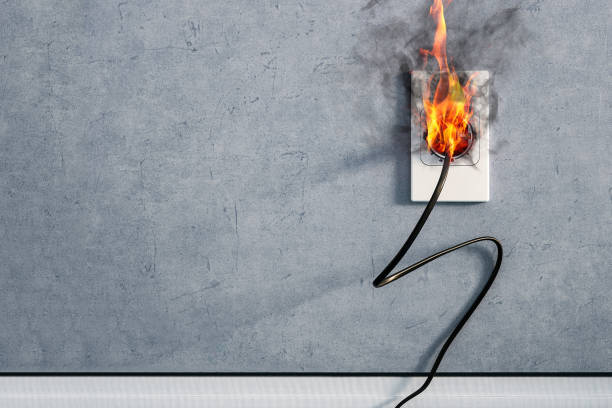
An EV charger becoming warm during use is often perfectly normal, but excessive heat is not. EV charger overheating can interrupt charging, reduce charging speed, damage charging equipment, and create safety concerns if left unaddressed.
Whether you’re charging at home or using a public charging station, understanding why charging equipment overheats can help you distinguish between normal operating temperatures and signs of a potential problem. Overheating can result from damaged cables, poor electrical connections, high ambient temperatures, overloaded electrical circuits, or faults within the charger itself.
This guide explains the most common causes of EV charger overheating, how to troubleshoot safely, when to stop using charging equipment, and how to prevent overheating problems in the future.
Is It Normal for an EV Charger to Get Warm?
Yes, it is normal for an EV charger, charging cable, or connector to become slightly warm during use, particularly during higher-power charging sessions.
Charging transfers significant electrical power, and some heat is naturally produced as electricity flows through the charging system. However, the equipment should never become excessively hot to the touch, produce burning smells, show signs of melting, or repeatedly interrupt charging because of temperature.
The important distinction is between normal operating warmth and overheating that indicates something is wrong.
What Causes EV Charger Overheating?
Several parts of the charging system can contribute to excessive heat. The charger itself is not always the direct cause. Problems involving the charging cable, connector, electrical installation, vehicle, or charging conditions can also lead to overheating.
The first step is identifying where the heat occurs. Is the wall-mounted charger unusually hot? Is the charging cable becoming excessively warm? Is the connector overheating? Does the vehicle’s charging port feel hotter than expected? Answering these questions can help narrow down the likely source.
Loose Electrical Connections
Poor electrical connections are one of the most common causes of overheating.
When electrical resistance increases at a connection point, more heat is generated during charging. This can happen at wiring terminals, internal electrical connections, or where the connector meets the vehicle.
Home charging equipment should be installed according to applicable electrical requirements by qualified professionals. If a loose internal connection is suspected, do not open the charger yourself. Repeated overheating at the same location should be professionally inspected.
A Damaged Charging Cable
A damaged charging cable can contribute to overheating even if charging still appears to work.
Inspect the cable for cuts, crushed sections, exposed wiring, melted insulation, severe kinks, or damaged connector housings. Physical damage can affect the cable’s ability to carry power safely and increase electrical resistance.
Stop using a cable that shows significant damage. Replace it or have it professionally assessed according to the manufacturer’s recommendations.
A Damaged Charging Connector
The connector itself can become the hottest part of the charging system because it carries substantial electrical current while maintaining a secure connection.
Damaged contacts, worn connector components, contamination, or poor seating can increase electrical resistance where the connector meets the vehicle.
Inspect the connector before each charging session. Look for cracked housings, discoloration, melted plastic, bent components, or other visible damage. Never force a damaged connector into the vehicle’s charging port.
Dirt or Debris in the Charging Port
Contamination can interfere with a proper electrical connection.
Dust, dirt, road debris, or other material inside the vehicle’s charging inlet can prevent the connector from seating correctly, potentially contributing to increased heat.
Visually inspect the charging port before connecting the cable. Follow the manufacturer’s cleaning instructions and avoid inserting metal objects or improvised tools into the charging port.
High Ambient Temperatures
Hot weather can affect charging equipment, particularly chargers installed outdoors.
When outdoor temperatures are already high, chargers have less ability to dissipate the heat generated during charging. Some charging equipment responds by reducing charging power to help manage operating temperatures.
This temporary reduction is often a protective response rather than a sign of permanent damage. Whenever possible, follow the manufacturer’s guidance regarding installation location and ventilation.
Prolonged High-Power Charging
Long charging sessions at higher power naturally generate more heat.
DC fast charging can produce significant thermal loads, while extended Level 2 charging sessions can also warm charging equipment during continuous operation.
Modern charging systems are designed to monitor temperature and respond when necessary. If charging repeatedly slows or pauses because of temperature, compare the behavior across different charging locations to help determine whether the issue is specific to one charger.
The Home Electrical Circuit Is Overloaded
A home charging installation depends on the property’s electrical system functioning correctly.
If the charging circuit is overloaded or experiencing electrical problems, charging equipment may behave unexpectedly.
Repeated circuit breaker trips, overheating, or inconsistent charging should never be ignored. Rather than repeatedly resetting electrical protection devices, arrange an inspection by a qualified electrician if the problem continues.
The Charger Has an Internal Fault
Charging equipment contains electronic components that can develop faults over time.
A hardware problem involving power electronics, cooling systems, control components, or other internal equipment can contribute to overheating.
If the charger repeatedly becomes unusually hot under similar conditions while other compatible chargers perform normally, the charging equipment itself becomes more relevant to investigate. Internal repairs should only be performed according to the manufacturer’s service procedures.
Poor Ventilation Around the Charger
Installation conditions can affect how well a charger dissipates heat.
A charger installed where airflow is restricted may retain more heat during operation than one installed in a well-ventilated location.
Keep the area around the charger consistent with the manufacturer’s installation guidance. Avoid blocking ventilation openings or surrounding the charger with objects that restrict normal airflow.
Public Charging Equipment Under Heavy Use
Public chargers often operate continuously throughout the day, particularly at busy locations.
Frequent use, high-power charging sessions, and environmental conditions can increase operating temperatures. Charging networks generally monitor their equipment, and some chargers automatically reduce power if temperatures rise too high.
If a public charger repeatedly overheats, slows dramatically because of temperature, or displays a temperature-related error, report the issue to the charging provider.
Signs Your EV Charger Is Overheating
Recognizing overheating early can help prevent equipment damage.
An overheating charger may become excessively hot to the touch rather than simply warm. You may notice a burning smell, melted or discolored plastic around the connector, repeated charging interruptions, or charging speeds that suddenly decrease because of temperature-related behavior. Some chargers and vehicles also display warning messages indicating a temperature or charging fault.
If several of these symptoms appear together, stop using the equipment until the cause has been identified.
Why Does My EV Charging Cable Get Hot?
The charging cable is often the part of the charging system that drivers notice first because they handle it directly.
A cable may become warm during charging, but excessive heat deserves attention.
Possible causes include poor connector seating, cable damage, high charging power, hot weather, increased electrical resistance, or equipment faults. Pay particular attention to whether the heat is concentrated at one connector rather than evenly distributed along the cable.
Why Does the Charging Connector Overheat?
The connector is where the electrical connection is physically established between the charger and the vehicle.
If the connector does not seat properly, becomes worn, or develops contamination, electrical resistance can increase at that point.
Connector overheating may be accompanied by charging interruptions, communication errors, or visible discoloration. Do not continue using a connector that shows signs of melting, severe overheating, or physical damage.
Can EV Charger Overheating Slow Down Charging?
Yes, many charging systems intentionally reduce power when temperatures rise.
Rather than continuing at maximum power under unfavorable conditions, the charging equipment or vehicle may lower charging speed to help manage operating temperatures.
If charging speed decreases only during hot conditions or extended charging sessions, temperature management may explain the behavior. If charging remains unusually slow even after conditions improve, further investigation may be appropriate.
How to Troubleshoot an Overheating EV Charger
Start with simple observations before assuming the charger has failed.
Check whether the heat is coming from the charger, cable, connector, or vehicle charging port. Inspect the cable and connector for visible damage, contamination, or poor seating.
If you’re using a public charger, see whether another compatible connector is available. If you’re charging at home, compare the charger’s behavior with previous charging sessions.
Avoid opening electrical equipment or attempting internal repairs. If overheating persists under similar conditions, professional inspection is the safest next step.
When Should You Stop Using an Overheating EV Charger?
Some situations require immediate action.
Stop using the charging equipment if you notice smoke, sparks, burning smells, melted plastic, exposed wiring, severe overheating, visible electrical damage, or repeated circuit breaker trips.
These symptoms can indicate conditions that should not be ignored. Disconnect the equipment according to the manufacturer’s safety guidance where appropriate and arrange qualified inspection.
Home EV Charger Overheating
Home charging presents unique considerations because the charger depends on the property’s electrical installation.
If overheating occurs consistently at home, check for visible cable damage, connector problems, unusual charging behavior, and electrical warning signs.
Repeated breaker trips, overheating, or charging interruptions should be professionally investigated. Do not modify the electrical installation yourself unless you are appropriately qualified.
A properly installed home charger should match both the vehicle’s charging requirements and the property’s electrical capacity.
Public EV Charger Overheating
Public charging equipment introduces different variables.
A charger may reduce power because of heavy use, environmental conditions, or equipment temperature management.
If the charger displays a temperature-related warning, follow the station’s instructions. Another compatible charger at the same location—or another nearby station—may provide a practical alternative.
An EV charging directory can help drivers locate alternative charging stations by city, state, ZIP code, charging type, connector, and charging network when a preferred charger is unavailable.
Can Weather Cause EV Charger Overheating?
Weather can influence charging conditions, especially during summer.
High outdoor temperatures can make it more difficult for charging equipment to dissipate heat, while direct sunlight may further increase operating temperatures for outdoor equipment.
Rain alone does not automatically mean charging equipment will overheat, but damaged equipment should never be used in any weather conditions. Always follow the manufacturer’s operating guidance for outdoor charging.
How to Prevent EV Charger Overheating
Preventive care is one of the most effective ways to reduce avoidable overheating problems.
Inspect charging cables and connectors regularly for signs of wear, keep connectors clean according to manufacturer guidance, avoid unnecessary cable strain, and store removable cables properly when they are not in use.
For home charging, ensure the charger has been installed appropriately and that airflow around the equipment remains consistent with installation guidance.
Keeping vehicle and charger software updated when recommended can also help maintain proper charging behavior.
How Temperature Protection Works in Modern EV Chargers
Modern charging equipment includes protective systems that continuously monitor operating conditions during a charging session.
If temperatures rise beyond intended operating conditions, the charger or vehicle may reduce charging power, pause charging, or stop the session entirely. These responses help protect both the charging equipment and the vehicle’s charging system.
Drivers sometimes interpret these power reductions as charger failures, but they are often part of normal protective operation.
Understanding this distinction helps explain why charging speed can vary during hot weather or extended charging sessions.
Is the Problem the Charger or the Vehicle?
Comparing charging behavior under different conditions can help identify the source.
If your EV experiences temperature-related charging issues only with one charger, the charging equipment becomes a stronger possibility.
If the same behavior occurs across multiple compatible chargers, investigate the vehicle, charging cable, and charging port as well.
Similarly, if multiple vehicles experience overheating at the same public charger, reporting the issue to the charging provider is appropriate.
What Information Should You Record Before Seeking Support?
If overheating continues, collecting a few details can make diagnosis easier.
Record where the heat occurs, whether charging slows or stops, the approximate battery percentage when the problem appears, the weather conditions, the charger type, and any error messages shown by the vehicle or charging equipment.
For public chargers, note the station identification number if available. Providing accurate information helps support teams determine whether the issue is likely related to the charger, vehicle, cable, or charging conditions.
Charging Safely in Hot Conditions
EV charger overheating is often manageable when identified early. Slight warmth during charging is usually normal, but excessive heat, burning smells, melted components, smoke, or repeated charging interruptions should never be ignored.
A careful inspection of the cable, connector, charging port, and charging conditions can help distinguish normal temperature changes from equipment that needs attention. When overheating persists across similar charging sessions or is accompanied by electrical warning signs, stop using the equipment and seek qualified professional assistance.
Understanding how chargers manage temperature—and knowing when to switch to another compatible charging location—can help keep EV charging both safe and reliable.
No reviews yet — be the first to share your experience.