
What Are the Most Important Electric Vehicle Charging Standards?
By Staff Writer · October 7, 2026
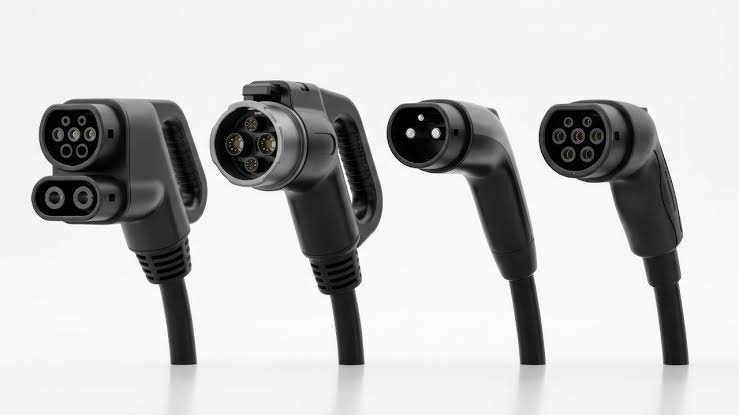
Electric vehicle charging standards determine how EVs connect to charging equipment, communicate with chargers, and receive electrical power. For drivers, understanding these standards is important because not every electric vehicle uses the same connector or charging system. Compatibility can affect where an EV can charge, how quickly it can charge, and which charging stations are practical for a particular vehicle.
The most important electric vehicle charging standards include connector systems such as SAE J1772, Type 2, Combined Charging System (CCS), CHAdeMO, and the North American Charging Standard (NACS). There are also communication and safety standards that govern how vehicles and charging equipment interact. Understanding the differences between these systems can make EV charging easier to navigate, particularly when using public charging stations or planning long-distance trips.
What Are Electric Vehicle Charging Standards?
Electric vehicle charging standards are technical specifications that define how an EV, charging equipment, and electrical infrastructure work together.
A charging standard can cover several elements of the charging process. This may include the physical connector, electrical characteristics, communication between the vehicle and charger, safety requirements, and how charging equipment responds to the vehicle.
It is important to distinguish between a connector and a complete charging standard. A connector is the physical plug and socket used to establish the electrical connection. A charging standard can encompass a broader set of technical requirements and communication rules.
This distinction becomes particularly important when comparing AC charging with DC fast charging.
Why Do EV Charging Standards Matter?
Charging standards provide a common technical framework that allows vehicles and charging equipment to work together safely and predictably.
For EV drivers, compatibility is one of the most important practical considerations. Before using a charging station, a driver needs to know whether the station’s connector is compatible with the vehicle or whether an approved adapter is required.
Charging standards also affect charging speed. A vehicle may support one type of connector for AC charging and another configuration for DC fast charging.
For example, a vehicle could use a J1772 connection for AC charging while using a CCS connector for DC fast charging. Other vehicles may use Type 2 for AC and a CCS configuration for DC charging, while newer vehicles in North America may use NACS for both AC and DC charging.
Understanding these differences helps drivers select suitable charging stations.
AC vs. DC Charging Standards
One of the most important distinctions in EV charging is between alternating current (AC) and direct current (DC).
With AC charging, electricity is supplied to the vehicle and converted to DC by the vehicle’s onboard charger before being stored in the battery. The vehicle’s onboard charging capability therefore influences how quickly it can charge from an AC source.
DC fast charging works differently. The charging equipment converts the electricity before it reaches the vehicle’s battery, allowing much higher charging power in compatible vehicles.
Because AC and DC charging use different electrical architectures, connector systems can differ as well.
This is why knowing only the physical shape of an EV plug is not always enough to determine charging compatibility.
SAE J1772: A Major AC Charging Standard
SAE J1772 is one of the best-known EV charging standards in North America.
It defines the conductive charging connection used for AC charging for many electric vehicles. The connector has been widely adopted by manufacturers and charging equipment providers for Level 1 and Level 2 charging applications.
The J1772 connector is often associated with five pins and a rounded housing with a distinctive shape. It is commonly found on older and many existing EVs in North America.
J1772 is primarily an AC charging standard. It does not by itself provide the high-power DC fast-charging connection used by CCS-equipped vehicles.
Drivers should therefore distinguish between an EV’s AC connector and its DC fast-charging connector.
Type 2: A Common European AC Standard
Type 2 is widely used for AC charging in Europe.
It is commonly associated with European EVs and public charging infrastructure and is often used for Level 2-style AC charging applications.
The Type 2 connector has a different physical configuration from SAE J1772. Drivers traveling between regions therefore need to understand which connector standard their vehicle supports and which charging infrastructure is available at their destination.
Type 2 can support single-phase and three-phase AC charging, depending on the vehicle and electrical installation.
The actual charging speed still depends on the vehicle’s onboard charger and the available electrical supply.
CCS: Combined Charging System
The Combined Charging System, commonly known as CCS, was developed to combine AC charging and DC fast charging within a related connector architecture.
There are two major versions: CCS Combo 1 and CCS Combo 2.
CCS Combo 1 combines the J1772-style AC connector with two additional large DC contacts. It has been widely used in North America.
CCS Combo 2 combines the Type 2 AC connector with two additional DC contacts and has been widely used in Europe and other markets.
The advantage of the CCS approach is that the same charging port architecture can support both AC charging and high-power DC charging.
However, CCS1 and CCS2 are physically different systems and are not simply interchangeable.
NACS: The North American Charging Standard
The North American Charging Standard, or NACS, is a charging connector system originally developed by Tesla and later opened for broader industry use.
NACS uses a relatively compact connector for both AC charging and DC fast charging. This differs from CCS, where the DC fast-charging configuration adds larger contacts below the AC connector.
The adoption of NACS by major automakers has made it an increasingly important part of the North American EV charging landscape.
For EV drivers, this transition means connector compatibility is becoming an especially important consideration when comparing vehicles, adapters, and public charging infrastructure.
The exact charging capabilities of an NACS-equipped vehicle still depend on the vehicle and charging equipment. A compatible connector does not automatically mean that every station can deliver the same charging power.
CHAdeMO: An Established DC Fast-Charging Standard
CHAdeMO is an established DC fast-charging standard that was developed in Japan.
It was adopted by several early EV models and became an important DC charging system in a number of markets.
CHAdeMO uses a dedicated connector for DC charging rather than combining AC and DC connections into a single plug in the same way as CCS.
Although CHAdeMO played an important role in the development of public DC fast charging, its position in some markets has declined as CCS and NACS have gained broader adoption.
Drivers with CHAdeMO-compatible vehicles should therefore pay particular attention to the availability of compatible charging stations when planning longer journeys.
GB/T Charging Standards in China
China uses its own major EV charging standards, commonly associated with GB/T.
GB/T covers charging systems used for both AC and DC applications and is an important part of China’s large electric vehicle market.
The physical connectors and technical specifications differ from systems commonly used in North America and Europe.
This means that EV charging infrastructure is not globally standardized around a single connector. Vehicle manufacturers and charging providers must account for regional requirements when designing vehicles and equipment.
For international travel or imported EVs, understanding regional standards becomes especially important.
How Do EV Charging Connectors Differ?
The easiest way to understand connector standards is to separate them into their intended charging applications.
J1772 is primarily associated with AC charging in North America, while Type 2 is widely used for AC charging in Europe. CCS combines AC and DC charging capability in a related connector system, with CCS1 commonly associated with North America and CCS2 with Europe.
NACS is designed to support both AC and DC charging through a compact connector and is becoming increasingly important in North America.
CHAdeMO is primarily a DC fast-charging system, while GB/T represents China’s major charging standards.
The physical connector is only one part of the compatibility equation. The vehicle must also support the electrical and communication requirements of the charging system.
What Is an EV Charging Protocol?
A charging protocol governs communication between the EV and charging equipment.
This communication allows the vehicle and charger to exchange information about charging requirements, available power, safety conditions, and other operating parameters.
Communication is important because EV charging is not simply a matter of connecting two electrical conductors. The vehicle and charger need to coordinate the charging process.
Protocols can also support functions such as authentication, charging management, monitoring, and network connectivity depending on the system involved.
This is why EV charging standards include more than physical connector designs.
ISO 15118 and Vehicle-to-Grid Communication
ISO 15118 is an important international communication standard for EV charging.
It defines communication between electric vehicles and charging infrastructure and supports advanced charging functions.
One feature associated with ISO 15118 is Plug & Charge, which can allow a compatible vehicle to authenticate with compatible charging infrastructure without requiring the driver to manually initiate payment in the conventional way.
The standard also provides a foundation for more advanced interactions between vehicles and energy systems.
As charging infrastructure becomes more connected, communication standards such as ISO 15118 can become increasingly important.
OCPP and EV Charging Networks
The Open Charge Point Protocol, or OCPP, is another important technology in the EV charging ecosystem.
Unlike a physical vehicle connector standard, OCPP is used for communication between charging stations and charging-network management systems.
This can help charging operators monitor equipment, manage stations, collect data, handle transactions, and provide network services.
OCPP helps create interoperability between charging hardware and backend software. This can be valuable for businesses and charging operators that want flexibility when selecting equipment and network-management solutions.
For drivers, OCPP is generally less visible than connector standards, but it can contribute to the reliability and management of public charging infrastructure.
Charging Standards and EV Compatibility
EV compatibility depends on more than whether two plugs appear physically similar.
A vehicle needs to support the appropriate charging standard and electrical configuration. The charging station must also provide compatible equipment and the necessary communication.
Adapters can sometimes allow a vehicle to connect to a charger using a different connector. However, adapters do not necessarily provide compatibility with every charging function or charging speed.
Drivers should always verify compatibility for their specific vehicle and charging equipment.
This is particularly important when traveling, purchasing an adapter, or using a charging network for the first time.
Do All EVs Use the Same Charging Connector?
No. EVs do not universally use the same connector.
Connector standards vary by region, manufacturer, vehicle generation, and charging application.
North America has historically used systems such as J1772 and CCS1, while Europe has widely used Type 2 and CCS2. CHAdeMO has also been used by certain EVs, while NACS is becoming increasingly prominent in North America. China uses its own GB/T standards.
The charging landscape is evolving, however, and connector adoption can change as manufacturers and charging providers adopt new standards.
For this reason, drivers should check the exact charging specifications for their vehicle rather than relying on assumptions based on brand or vehicle type.
Can an EV Use a Different Charging Standard With an Adapter?
In some situations, an adapter can allow an EV to connect to a charging station that uses a different connector.
However, adapter compatibility depends on the specific standards involved and whether the vehicle and charger support the necessary electrical and communication functions.
An adapter may also have limitations on charging power.
Drivers should use adapters that are approved or recommended for the relevant vehicle and charging application. Using an inappropriate adapter can create safety or compatibility problems.
The safest approach is to verify the vehicle manufacturer’s requirements and the charging provider’s compatibility information before relying on an adapter.
How Charging Standards Affect Charging Speed
Charging standards establish the framework for how power is delivered, but the standard alone does not determine actual charging speed.
The vehicle’s battery capacity, onboard charger, maximum DC charging capability, battery temperature, state of charge, and charger output all affect the real-world charging rate.
For AC charging, the vehicle’s onboard charger is particularly important. A high-power AC charging station cannot necessarily force a vehicle to accept more power than its onboard charger supports.
For DC fast charging, the charging station and vehicle communicate to determine an appropriate charging rate. Charging power can also decrease as the battery approaches a high state of charge.
Therefore, drivers should consider both charging standard and charging capability when evaluating EV charging performance.
Why Charging Standards Matter for Road Trips
Charging standards become particularly important during long-distance travel.
A driver needs to identify charging stations that provide a connector compatible with the vehicle. The station should also provide an appropriate charging speed and be located conveniently along the route.
A vehicle with limited access to compatible DC fast chargers may require more detailed trip planning than one with broad access to a suitable charging network.
Drivers should check the charging connector, charging network, station location, and available charging power before beginning a long journey.
An EV charging directory can help drivers identify charging locations and compare available options when planning trips.
How Charging Standards Are Evolving
The EV charging industry continues to change.
Automakers are increasingly aligning around connector systems within particular markets, while charging providers are expanding compatibility and deploying higher-powered equipment.
At the same time, communication standards are becoming more important as charging becomes more intelligent and connected.
Future charging systems are likely to place greater emphasis on interoperability, automated authentication, energy management, grid integration, and improved user experiences.
This evolution means that today’s charging landscape may not look identical to the infrastructure available several years from now.
Why Standardization Is Important for EV Adoption
Standardization can reduce uncertainty for drivers and simplify infrastructure deployment.
When vehicles and charging stations follow widely adopted technical standards, drivers have greater confidence that compatible equipment will work with their vehicles.
Standardization can also help charging operators deploy infrastructure that serves a broader range of vehicles.
However, multiple standards can coexist during periods of technological transition. This is common in developing industries, particularly when different regional and manufacturer ecosystems have already established large installed bases.
Over time, greater standardization can make EV charging easier to understand and use.
What EV Owners Should Check Before Using a Charger
Before connecting an EV to a public charging station, drivers should confirm that the connector matches the vehicle or that an appropriate adapter is available.
They should also consider the charging type. A connector suitable for AC charging may not be the connector required for DC fast charging.
The vehicle’s maximum charging capability should be compared with the charger’s power output. If the charger provides more power than the vehicle can accept, the vehicle will generally limit the charging rate.
Drivers should also check the charging network’s access and payment requirements where applicable.
These simple checks can prevent many common charging problems.
Understanding Charging Standards Before Buying an EV
Charging compatibility should be part of the EV buying process.
A vehicle’s battery range and purchase price are important, but drivers should also investigate which charging standards it supports and whether those standards are common in the areas where they drive.
Home charging can reduce dependence on public infrastructure, but public charging remains important for road trips and drivers without suitable residential charging.
A prospective EV owner should identify the charging stations near home, work, and regular destinations and check whether their preferred vehicle is compatible.
This can be especially important for households that do not have dedicated home charging.
The Future of Electric Vehicle Charging Standards
EV charging standards are becoming more than a question of plug design.
The future of charging will involve physical connectors, high-power electrical systems, vehicle-to-charger communication, network software, authentication, energy management, and potentially deeper interaction with the electrical grid.
Standards such as ISO 15118 could support more sophisticated vehicle-to-grid and automated charging functions, while network protocols such as OCPP can support interoperability between charging hardware and management systems.
At the same time, connector adoption will continue to influence how easily drivers can access public charging.
As the EV market develops, the goal is not simply to make charging faster. It is to make charging compatible, reliable, accessible, secure, and convenient across a growing transportation ecosystem.
Choosing an EV Based on Charging Compatibility
The most important charging standard for an EV owner is ultimately the one supported by the vehicle and available where the driver needs to charge.
Understanding J1772, Type 2, CCS, NACS, CHAdeMO, and regional standards such as GB/T provides a useful foundation for navigating the charging landscape. Communication standards such as ISO 15118 and OCPP add another layer by enabling vehicles, chargers, and networks to exchange information.
Before purchasing an EV or planning a long trip, drivers should verify the vehicle’s charging specifications and identify compatible charging stations.
As charging infrastructure continues to expand, knowing how these standards work can make it easier to choose chargers, plan journeys, and avoid compatibility surprises.
Frequently Asked Questions
What is the most common EV charging standard?
There is no single global standard. Different regions use different systems. J1772 and CCS have been widely used in North America, Type 2 and CCS2 are common in Europe, NACS is becoming increasingly important in North America, and GB/T is widely used in China.
What is the difference between CCS and NACS?
CCS and NACS are different charging connector systems. CCS uses separate configurations for AC and DC within the same connector family, while NACS uses a compact connector designed for both AC and DC charging.
Is CCS the same as J1772?
No. J1772 is primarily an AC charging standard, while CCS combines a J1772-style AC connection with additional DC contacts to support DC fast charging.
What is the difference between Type 2 and CCS2?
Type 2 is primarily an AC charging connector used widely in Europe. CCS2 builds on the Type 2 connector by adding two larger DC contacts for DC fast charging.
Can a Tesla use CCS or other charging standards?
Compatibility depends on the specific Tesla model, market, vehicle generation, and adapter. Drivers should check the manufacturer's current compatibility information before using an adapter or a particular charging station.
Is CHAdeMO still used for EV charging?
Yes, CHAdeMO remains in use for compatible vehicles and charging stations, although its importance has declined in some markets as other charging systems have become more widely adopted.
What is ISO 15118 used for?
ISO 15118 defines communication between electric vehicles and charging infrastructure. It supports advanced functions such as vehicle-to-charger communication and, with compatible equipment, Plug & Charge and other intelligent charging capabilities.
Why do EV charging standards matter?
Charging standards determine how vehicles connect and communicate with charging equipment. Understanding them helps drivers identify compatible stations, choose appropriate charging equipment, and plan charging more effectively.
No reviews yet — be the first to share your experience.