
10 Essential EV Charging Accessories Every EV Owner Needs
By Staff Writer · September 19, 2026
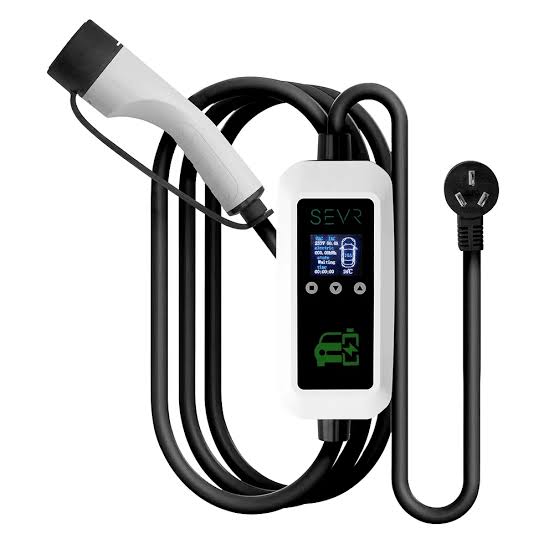
The right EV charging accessories can make everyday charging cleaner, easier, and more convenient. While an electric vehicle can charge with the equipment supplied by the vehicle manufacturer or charging station, a few well-chosen accessories can solve common problems involving cable storage, connector compatibility, outdoor charging, and organization.
Not every EV owner needs all ten accessories on this list. Your requirements depend on your vehicle’s connector, the type of charging equipment you use, whether you charge at home or in public, and how frequently you travel.
This guide covers 10 practical EV charging accessories worth considering, explains what each one does, and identifies when it can be useful. It also highlights important compatibility and safety considerations so you can avoid buying accessories that do not work with your charging setup.
1. EV Charging Cable Holder
An EV charging cable holder is one of the simplest accessories for creating a more organized charging area.
Charging cables can be bulky, particularly when they are designed for higher-power charging. Leaving a cable on the floor can create a trip hazard and may expose it to unnecessary dirt, moisture, vehicle traffic, or physical damage.
A wall-mounted cable holder provides a dedicated place to store the cable when charging is finished. It can also make it easier to position the cable near the vehicle without leaving excess cable across the parking area.
For home charging, a cable holder is particularly useful in garages and driveways. When choosing one, consider the cable’s weight, length, diameter, and connector design.
The mounting location also matters. The holder should allow the cable to hang naturally without putting excessive stress on the connector or creating sharp bends.
2. EV Charging Connector Holster
A connector holster is designed specifically to hold the charging connector when it is not plugged into the vehicle.
Many charging stations already include an integrated connector holder, so an additional holster is not always necessary. However, it can be useful when the existing charging setup does not provide convenient connector storage.
Keeping the connector in a designated position helps prevent it from resting on the ground. It also gives drivers a consistent place to return the connector after each charging session.
Connector design varies considerably between charging standards. Common systems include J1772, CCS, J3400/NACS, Type 2, and CCS2, depending on the market. An accessory should therefore be selected for the specific connector rather than based on a generic “EV” label.
3. EV Charging Adapter
An EV charging adapter can be valuable when a vehicle and charging station use different connector configurations.
However, an adapter is not a universal accessory. Compatibility depends on the vehicle, charging equipment, connector type, charging method, electrical rating, and manufacturer requirements.
This has become particularly important in North America as charging standards evolve. SAE J3400, based on the NACS connector, is increasingly part of the charging landscape, while J1772 and CCS1 remain relevant for many vehicles and charging installations. The Joint Office of Energy and Transportation provides compatibility guidance and emphasizes that adapters are not universally compatible.
If you need an adapter, check your vehicle manufacturer’s recommendations first. A manufacturer-approved adapter is generally preferable to an unknown product that only appears physically compatible.
When an adapter is useful
An adapter can be useful when you encounter a compatible charging situation where the station connector and vehicle inlet are different.
For example, a driver may encounter a charging network with a connector that differs from the vehicle’s native inlet. An approved adapter can potentially bridge that difference when the vehicle and charging equipment support the intended configuration.
The key is to confirm compatibility before connecting the equipment.
4. Portable EV Charging Cable
A portable EV charging cable can give drivers additional flexibility when they need to charge away from their primary charging station.
The exact role of a portable cable depends on the vehicle and charging equipment. Some EVs include portable charging equipment, while others rely more heavily on dedicated charging stations.
A portable cable can be useful for travel, temporary charging locations, or situations where a permanent charging station is not available.
However, the presence of a portable cable does not mean every electrical outlet is suitable for EV charging. Charging can involve sustained electrical loads, so the outlet, circuit, cable, and charging equipment all need to be appropriate for the intended use.
Drivers should follow the manufacturer’s instructions and applicable electrical requirements rather than treating portable charging like an ordinary low-power household appliance.
5. EV Charging Cable Storage Bag
A charging cable storage bag is a practical accessory for drivers who carry portable charging equipment.
EV charging cables can take up considerable space in a vehicle, and storing them loosely in a trunk or cargo area can make the area difficult to organize. A dedicated bag keeps the cable contained and can provide space for compatible adapters or other charging equipment.
A good storage bag should be large enough to accommodate the cable without requiring excessive bending or compression.
It is also worth considering the bag’s construction if the equipment will frequently be transported in a vehicle. The goal is simple: keep charging equipment organized and prevent loose cables and connectors from becoming clutter in the cargo area.
6. EV Charging Cable Organizer
A cable organizer serves a similar purpose to a storage bag but can be especially useful for permanent home charging setups.
For example, an owner may have a garage charging station with enough cable to reach several parking positions. Without a dedicated organization method, the unused cable may collect on the floor.
Hooks, reels, clips, and other cable-management solutions can help keep the charging area orderly.
The correct solution depends on the charging cable and installation. Avoid forcing a cable into a storage system that creates excessive bends or tension.
Cable management should make charging easier, not interfere with the normal movement or handling of the charging equipment.
7. EV Charger Mounting Hardware
Mounting hardware becomes important when a charging station needs to be installed on a wall, pedestal, post, or other supporting structure.
Some chargers include the necessary mounting equipment, while others may require additional hardware depending on the installation location.
The mounting system must support the charger properly and be appropriate for the surface. A mounting method that works on one wall material may not be suitable for another.
Outdoor installations can introduce additional considerations such as weather exposure, physical protection, and the location of the electrical connection.
For this reason, mounting hardware should be selected as part of the overall charger installation rather than purchased independently without checking the charger’s installation instructions.
8. EV Charging Cable Protector
A cable protector can be useful when a charging cable must pass through an area where pedestrians or vehicles may cross.
For example, a temporary charging arrangement may require a cable to cross part of a parking area. A suitable cable-management or protection system can reduce the risk of people tripping over the cable or vehicles damaging it.
However, a cable protector should not be viewed as a substitute for good charging-station placement.
Whenever possible, the charging station should be positioned so the cable does not cross pedestrian routes or vehicle traffic. If a cable repeatedly creates a hazard, changing the charging setup may be a better long-term solution.
9. EV Connector and Charging Equipment Covers
Protective covers can help shield charging connectors or related equipment when they are not in use.
This can be particularly relevant for outdoor charging, where equipment may encounter dust, rain, snow, road debris, or other environmental conditions.
The cover must be designed for the specific component it protects. A cover intended for one connector or charging system should not automatically be assumed to work with another.
Drivers should also avoid covering equipment in a way that interferes with ventilation, drainage, manufacturer-designed protection, or normal operation.
The best approach is to follow the charging equipment manufacturer’s recommendations for protecting connectors and unused charging equipment.
10. EV Charging Safety and Electrical Accessories
The final category is broader because EV charging safety can involve several types of equipment rather than one universal accessory.
Depending on the installation, relevant equipment may include appropriate mounting components, electrical protection devices, weather-rated enclosures, signage, physical barriers, and other components required by local codes or the charging equipment manufacturer.
This category is especially important for home and commercial installations because charging equipment is connected to an electrical supply and may operate for extended periods.
An accessory should never be used to bypass a required electrical installation or safety feature. Adding an inexpensive component to solve a cable-reach or connector problem is not a substitute for having the charging system properly designed.
The U.S. Department of Energy recommends professional installation for many home charging situations, particularly when installing Level 2 equipment that requires a dedicated circuit.
Which EV Charging Accessories Do You Actually Need?
Owning an EV does not mean you need to purchase every charging accessory available.
The most useful accessories depend on how and where you charge.
A driver who primarily uses a garage-mounted Level 2 charger may benefit most from a cable holder and connector holster. Someone who frequently travels may place more value on an appropriate adapter, portable charging equipment, and a cable storage bag.
Outdoor charging can create additional needs around cable routing, connector protection, and equipment mounting. Commercial properties and fleet facilities may require substantially more infrastructure because multiple vehicles, pedestrians, and charging stations must be accommodated.
The simplest approach is to identify the recurring problem in your charging routine and then choose an accessory designed to solve it.
How to Choose the Right EV Charging Accessories
Compatibility should be the first consideration when buying EV charging accessories.
Start by identifying your vehicle’s charging inlet and the connector used by your home or public charging equipment. Then determine whether the accessory is designed for that specific combination.
Electrical specifications also matter. A cable or adapter should be suitable for the intended charging application and electrical load.
Build quality is another consideration. Charging accessories can be exposed to repeated handling, outdoor conditions, dirt, moisture, and physical stress. Products intended for frequent use should be designed for that environment.
Finally, consider whether you actually need the accessory. A product that solves no real problem adds cost and clutter without improving your charging experience.
EV Charging Accessories for Home Charging
Home charging is where accessories can provide some of the most noticeable convenience improvements.
A well-organized charging area makes it easier to plug in, unplug, and store the equipment after each session. Cable holders and connector holsters can keep the charging area clear, while mounting accessories can create a cleaner installation.
For outdoor home charging, weather exposure becomes an additional consideration. The charger and its accessories should be suitable for the installation environment, and equipment should be used according to manufacturer instructions.
The electrical installation itself is more important than any accessory. A cable organizer cannot correct an undersized circuit, and a connector adapter cannot make an incompatible charging system safe.
When planning a new home charging installation, determine the required charging level, electrical capacity, charger location, cable reach, and vehicle compatibility first. Accessories can then be selected around that foundation.
EV Charging Accessories for Road Trips
Long-distance EV travel can create different accessory requirements.
Drivers may encounter charging stations with different connector configurations, cable lengths, and charging capabilities. Depending on the vehicle, an approved adapter can sometimes expand the range of compatible charging equipment.
A portable charging cable can also be useful in situations where compatible charging equipment is available but a permanent charging station is not.
Before a road trip, verify the charging networks and stations along the route. An EV charging directory can help you identify charging locations by city, ZIP code, connector type, charging category, or network.
Planning charging stops in advance can also help you determine whether you actually need to carry an additional adapter or portable charging accessory.
EV Charging Accessories for Outdoor Use
Outdoor charging requires greater attention to environmental exposure and cable management.
Rain, snow, dust, sunlight, and temperature changes can affect how charging equipment is handled and stored. Outdoor accessories should be suitable for their intended environment and should not interfere with the charger’s built-in safety or weather protection.
Cable routing is also important. A charging cable should not create an unnecessary obstacle for pedestrians or vehicles.
If the charging station is located in a driveway or parking area, think about where the cable will sit when the vehicle is charging and where it will be stored afterward.
A small amount of planning can eliminate the need for several unnecessary accessories.
EV Charging Accessories for Commercial Properties
Businesses and property owners may need a more comprehensive accessory strategy.
A commercial charging installation can involve multiple charging ports, parking spaces, pedestrians, customers, employees, and maintenance requirements.
Cable management is particularly important because charging cables may be handled frequently throughout the day. Physical protection may also be necessary where charging equipment is exposed to vehicle movement.
Signage and parking-space markings can help users understand how the charging area is intended to operate. Mounting equipment should also be selected for the specific property and charger.
For larger installations, accessories should be incorporated into the site design from the beginning rather than added after problems appear.
How Much Should You Spend on EV Charging Accessories?
There is no universal amount that every EV owner should spend.
Some accessories, such as a simple cable holder, can address a specific organization problem without requiring a major investment. Other products, including mounting systems and electrical components for commercial installations, can involve considerably more planning and expense.
The value of an accessory depends on the problem it solves.
An inexpensive accessory that prevents a charging cable from becoming a recurring trip hazard may be useful. A more expensive accessory that duplicates equipment already included with the charger may provide little practical benefit.
Before purchasing, check what came with your vehicle and charger. You may already have a cable holder, connector holster, adapter, or storage solution.
Common Mistakes When Buying EV Charging Accessories
One of the most common mistakes is purchasing accessories based only on physical appearance.
Two connectors may look similar but serve different charging applications. Likewise, an adapter may fit physically while still being unsuitable for a particular vehicle and charger combination.
Another mistake is using accessories to solve a problem that should be addressed through installation design.
For example, repeatedly needing an excessively long cable may indicate that the charging station is poorly positioned. Similarly, needing complicated cable protection may indicate that the charging cable crosses a pedestrian or vehicle route.
Drivers should also avoid assuming that generic electrical accessories are automatically appropriate for EV charging. Follow manufacturer instructions and applicable local requirements whenever an accessory is part of the electrical charging path.
How to Keep Your EV Charging Accessories Organized
A simple organization system can prevent charging accessories from becoming difficult to find.
At home, keep the charging cable and connector in a consistent location. If you use adapters, store them somewhere dry and protected where they can be easily identified.
For portable charging equipment, a dedicated storage bag can keep cables and compatible accessories together.
It is also useful to inspect equipment periodically. Look for visible damage to cables, connectors, plugs, or housings and follow the manufacturer’s instructions if equipment appears damaged.
Keeping accessories organized is not just about appearance. It makes it easier to notice missing or damaged equipment before the next charging session.
Finding Charging Stations That Match Your EV
Even the best charging accessories cannot replace access to compatible charging stations.
When planning a trip or looking for a new charging location, consider your vehicle’s connector, charging capability, the station’s charging level, location, and other available information.
An EV charging directory can help narrow down charging options by geographic area and charging characteristics. Drivers can explore charging stations in specific cities, states, ZIP codes, or other categories depending on the directory’s available filters.
This is particularly useful when an adapter or connector difference affects which stations are practical for your vehicle.
Making Your Charging Setup Work Better
EV charging accessories are most useful when they solve a specific problem.
A cable holder can improve organization. A connector holster can provide a dedicated place for the charging handle. A compatible adapter can address a connector difference when the vehicle and charger support the intended combination. A storage bag can make portable charging equipment easier to carry.
The important point is that accessories should support a properly selected and installed charging system.
Before buying anything, identify your vehicle’s connector, understand your charging equipment, consider where you normally charge, and check the manufacturer’s compatibility requirements. Then choose only the accessories that genuinely improve your charging routine.
For drivers planning home charging or longer trips, it can also be useful to explore charging stations by location, connector, and charging type so the equipment you carry matches the charging options you are likely to encounter.
No reviews yet — be the first to share your experience.